
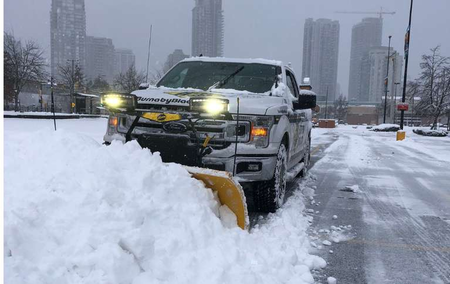
Snow Removal Coquitlam Starts With a Better Plan, Not a Bigger Panic
Coquitlam and the Tri-Cities do not have one simple winter pattern. Lower areas may see wet snow, rain, and slush in the same day, while higher-elevation neighborhoods can deal with colder conditions, heavier accumulation, and lingering ice. That is why Snow Removal Coquitlam cannot be treated like a basic on-call task.
A property that looks manageable at 7 a.m. can become difficult by noon. A ramp that was wet can refreeze. A walkway that was cleared once can become slick again after traffic pushes slush across it. For commercial, strata, and multi-residential properties, that is not just inconvenient. It affects access, safety, complaints, and liability.
This is the gap many competing pages leave open. They talk about service availability, plowing, and de-icing, but not enough about seasonal readiness. The better angle is clear: properties need a snow plan before winter exposes the weak spots — and for property owners who want to understand what a more structured approach looks like, they can click here.
The Coquitlam & Tri-Cities Terrain Problem: One City, Different Winter Conditions
A better winter plan starts with the reality of the region. Coquitlam and the Tri-Cities include steep streets, dense strata sites, mixed-use properties, commercial lots, and higher-elevation areas where snow can behave very differently from one site to the next. That means Snow Removal Tri-Cities planning needs more than a general checklist, which is why resources on this website focus on practical, property-specific winter planning rather than one-size-fits-all advice.
Higher Elevation Means Higher Risk
Properties near elevated areas can face colder surface temperatures, faster accumulation, and ice that stays longer after lower areas begin to thaw. A one-size-fits-all approach can leave these sites behind.
Dense Properties Need Tighter Coordination
Strata and commercial properties often have limited space for snow piles, constant foot traffic, shared entrances, and underground access points. That makes Snow Plowing only one part of the job. The plan also needs Snow Clearing, ice control, and repeat checks.
Snow Removal Tri-Cities Needs Priority Mapping Before the First Event
The strongest winter plans usually begin with a site map. Not a complicated document. Just a clear understanding of what must stay open first.
For a busy property, priority zones often include:
- emergency and fire access
- main entrance
- parkade ramps
- high-traffic sidewalks
- loading and delivery routes
- garbage and service areas
- visitor parking circulation
This is where Snow Removal services become operational, not just reactive. If crews already know what matters most, the property does not waste time deciding during the storm.
It also helps reduce confusion. Tenants know what to expect. Managers know what to check first. Contractors know where to start. That matters when conditions are changing quickly and several areas need attention at once.
Snow Plowing, Snow Clearing, and Ice Control Should Work Together
A common mistake is treating Snow Plowing as the whole plan. It is not. Snow Plowing opens drive lanes and larger surfaces. Snow Clearing handles entrances, walkways, stairs, tighter routes, and the pedestrian spaces where most slips happen. Ice control deals with what remains after both: wet surfaces, refreeze, shaded zones, and compacted slush. A stronger plan connects all three.
Why the First Pass Is Not the Finish Line
The first pass makes the site usable. The follow-up keeps it safer. A lot can change after clearing. Snow piles melt. Vehicles drag slush across the lot. Foot traffic compacts thin layers near doors. Temperatures dip, and suddenly the property needs another look.
Where WIE / Technology Changes the Conversation
This is where technology is becoming more useful in snow and ice management. Better decisions come from better timing, better condition tracking, and more precise deployment. For a company like Limitless Snow Removal, the use of WIE / Technology supports the larger point: winter service should be driven by conditions, not guesswork. That matters in Coquitlam and the Tri-Cities, where one property may need action before another even though they are only a short drive apart.
Why Limitless Snow Removal Fits the Seasonal Readiness Model
A guest post should not force the company name into the article. It should appear where the topic already needs a solution. Here, the connection is natural. Limitless Snow Removal offers fast, reliable snow clearing, modern equipment, 24/7 service, safety-focused ice control, transparent pricing, and convenient scheduled plans. Those advantages matter because the best winter response is not just fast. It is prepared.
For Snow Removal Coquitlam and Snow Removal Tri-Cities, scheduled service helps property owners avoid the usual scramble. Modern equipment helps address both larger surfaces and tighter areas. Safety-focused ice control helps manage the conditions that come after the snow is moved. In other words, the value is not only clearing the site. It is helping the property stay functional as winter conditions keep shifting.
The Wake-Up Call: A Weak Snow Plan Usually Fails Quietly First
Winter failure rarely begins with a dramatic event. It starts quietly. A shaded walkway is skipped. A parkade ramp stays wet. A snow pile drains across a pedestrian route. A side entrance does not get checked after the first clearing. Then the temperature drops, and the small issue becomes the main complaint.
That is why Snow Removal should be planned around how a property actually works. Where do people walk? Where does water collect? Where is snow usually piled? Which areas stay cold the longest? Which access points cannot be blocked? A practical manager note might sound like this: “The upper lot was cleared before tenant traffic increased, but the shaded ramp stayed wet and needed treatment before the afternoon freeze.” That kind of observation is what separates real winter operations from a simple clearing call.
Better Snow Removal Services Start Before the Forecast Turns Ugly
The best time to improve a snow plan is not during the storm. It is before the forecast becomes urgent. For Coquitlam and Tri-Cities properties, that means:
- mapping priority zones early
- confirming service expectations before winter
- planning snow pile locations
- identifying high-risk ice areas
- preparing for repeat clearing cycles
- using Snow Removal services that can respond to changing site conditions
A better snow plan does not have to be complicated. It just has to be specific. That is the real winter wake-up call. In a region with elevation changes, dense strata properties, commercial traffic, and fast-changing surfaces, basic response is no longer enough. Properties need a plan that connects Snow Removal Coquitlam, Snow Plowing, Snow Clearing, ice control, and WIE / Technology into one practical seasonal strategy. The properties that handle winter best are rarely the ones reacting the loudest. They are the ones that prepared before the first serious snowfall made the weakness obvious.