
Introduction
Choosing the right stamp is more important than many people realize. A stamp is often used repeatedly for documents, approvals, mailing, and organization, which means the wrong choice can lead to inefficiency, poor impressions, and unnecessary replacements. Different stamp types serve different purposes, and understanding those differences helps individuals and businesses make better decisions. From personal correspondence to official documentation, the right stamp improves workflow and creates consistency. For anyone considering Custom Rubber Stamps, understanding stamp categories, usage frequency, design requirements, and durability is essential before making a purchase.
Understanding Different Types of Rubber Stamps
Rubber stamps come in several formats, and each serves a specific purpose. The three most common types are traditional rubber stamps, self-inking stamps, and pre-inked stamps.
Traditional rubber stamps require a separate ink pad. They are simple, reliable, and often preferred for occasional use. However, they require more manual effort and can create inconsistent impressions if not applied properly.
Self-inking stamps are the most popular choice for offices and frequent users. These stamps include an internal ink mechanism that automatically re-inks after each press, improving speed and consistency.
Pre-inked stamps provide sharp, high-quality impressions and are often used for detailed logos or official documents. They offer precision but may require more careful maintenance.
Understanding these options helps users match their needs with the right functionality. A stamp used daily for business operations has very different requirements than one used occasionally at home.
Matching Stamp Type to Frequency of Use
Frequency of use is one of the most important factors when choosing a stamp. A stamp used several times a day requires durability and convenience, while occasional use may prioritize affordability.
For high-frequency tasks, self-inking stamps are often the best option. They reduce time spent re-inking and maintain consistent impressions over hundreds or thousands of uses.
Occasional users may prefer traditional rubber stamps because they are simple and cost-effective. Since they are not used constantly, the extra step of using an ink pad is less inconvenient.
Pre-inked stamps work well for moderate use where impression quality is a priority. They are often chosen for professional settings where clarity matters.
Matching the stamp type to workload prevents wear issues and improves long-term satisfaction. This practical approach ensures that the investment supports the actual workflow.
Personal Use Cases and Best Stamp Choices
Personal stamp use extends beyond business needs. Many households use stamps for mailing, labeling, organization, and document signing.
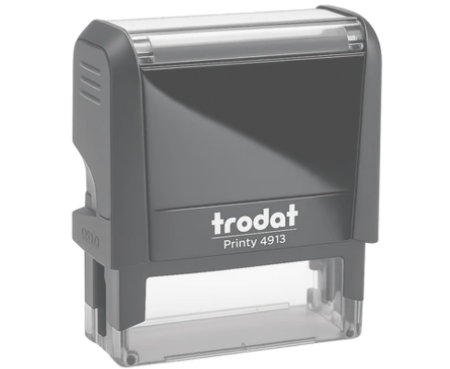
A Signature Stamp can be particularly useful for repetitive personal documentation. Through Creative Rubber Stamps, users can customize self-inking stamps quickly using an easy online order system. Creative Rubber Stamps has spent over twenty-five years providing reliable products that have proven effective over time, offering durable Ideal and Trodat Printy self-inking rubber stamps for practical everyday needs.
Personal mailing is another common use. Customized stamps simplify envelope preparation while keeping sender details consistent and legible.
Home organization also benefits from custom stamps, especially for labeling storage, books, and paperwork. Personalized tools improve efficiency while maintaining order.
Choosing a stamp for personal use depends on convenience, frequency, and intended purpose. These factors help determine the most practical option.
Professional Use Cases and Common Requirements
Professional environments rely on stamps for efficiency, consistency, and organization. Different industries use them in specific ways depending on workflow demands.
Several professional applications highlight their value:
- Invoice processing: Accounting departments often stamp payment statuses, approval marks, and processing dates. This speeds up financial workflows and improves document organization.
- Approval systems: Managers and supervisors frequently use stamps for approvals, reviews, and verification, reducing repetitive writing and improving consistency.
- Business correspondence: Mailing official documents with consistent sender details improves professionalism and saves time during high-volume communication.
- Document classification: Offices use stamps to label files, categorize paperwork, and maintain organized records for easier retrieval.
These professional applications show how stamps improve efficiency across business operations.
Legal and Official Documentation Needs
Legal and official documents often require precise formatting, clear information, and professional presentation. In these situations, stamp quality matters significantly.
Law offices, notaries, and government-related processes often use stamps for authentication, acknowledgment, or recordkeeping. Clear impressions help prevent misunderstandings or disputes.
Compliance standards may require exact wording or specific layouts. This makes customization accuracy especially important.
Durability also matters because legal professionals often handle large volumes of paperwork. Reliable stamping tools support consistent results.
Choosing the right stamp for legal documentation means prioritizing clarity, compliance, and durability. These factors reduce risk and improve administrative efficiency.
Design Factors That Affect Readability
Stamp design directly affects how useful and professional the final impression appears. A poor design can reduce clarity and create confusion.
Several design factors improve readability:
- Font selection: Simple fonts improve visibility and reduce misreading. Decorative fonts may look attractive but often reduce clarity in official use.
- Spacing between elements: Crowded text can become unreadable. Proper spacing helps maintain clean impressions and improves understanding.
- Text size: Small text may not transfer clearly, especially on textured paper. Larger readable text improves practical usability.
- Layout balance: A balanced design ensures all important information remains visible without overwhelming the stamp space.
These design considerations improve both function and appearance, making the stamp more effective in practical use.
Ink Color Selection and Practical Considerations
Ink color affects visibility, professionalism, and purpose. Different colors serve different practical needs.
Black ink remains the most widely used because it offers strong contrast and professional appearance. It works well for official documents and daily business use.
Blue ink is often preferred for signatures because it helps distinguish original markings from printed copies.
Red ink is commonly used for warnings, urgent notices, or attention-grabbing labels. It creates strong visual emphasis.
Specialized colors may suit branding or creative projects, but practical visibility should remain the priority.
Choosing the right ink color ensures the stamp performs effectively within its intended environment. It also supports readability and document standards.
Size Matters: Choosing the Right Dimensions
Stamp size should match its intended function. A stamp that is too large or too small may create practical problems during use.
Compact stamps are ideal for signatures, initials, or short approval marks. They fit easily into limited document spaces.
Medium-sized stamps work well for addresses, contact details, or internal business labeling.
Larger stamps are often used for logos, promotional branding, or prominent document markings.
Space limitations should always be considered. Documents with narrow margins or fixed layouts may require smaller dimensions.
Choosing the correct size improves efficiency, readability, and overall practicality.
Material Quality and Longevity
Stamp durability depends heavily on material quality. A well-made stamp can last for years, while poor-quality products may wear out quickly.
Plastic-bodied stamps are lightweight and practical for general use. They are affordable and easy to handle.
Metal-framed options offer greater durability and are often preferred for high-volume business environments.
Ink pad quality also affects longevity. Poor-quality ink dries faster and creates weaker impressions over time.
Brands with established reliability, such as Trodat and Ideal, are often chosen because they have proven durability and consistent performance.
Long-term value depends on choosing quality materials that support the intended frequency of use.
Common Buying Mistakes to Avoid
Many buyers make avoidable mistakes when choosing stamps. These mistakes often reduce efficiency and increase replacement costs.
One common issue is overcrowding the design. Too much text reduces readability and affects impression quality.
Choosing the wrong size is another frequent problem. Large stamps may not fit intended documents, while small stamps may not provide enough visibility.
Ignoring frequency of use can lead to premature wear. High-volume users need durable self-inking systems rather than basic manual options.
Poor artwork quality also affects logo stamps. Low-resolution designs create unclear impressions.
Avoiding these mistakes improves satisfaction and ensures the stamp remains practical over the long term.
Conclusion
Choosing the right stamp involves more than selecting a design. It requires understanding the intended purpose, usage frequency, legal requirements, readability factors, and durability expectations. Whether for personal organization, professional documentation, or legal applications, the right stamp improves efficiency and consistency. Modern self-inking systems have made stamping faster and more reliable, while customization allows users to meet specific workflow needs. By evaluating practical factors before purchasing, individuals and businesses can make better long-term decisions and ensure their stamping tools support productivity effectively.