
Introduction
Interior design is shaped not only by furniture and layout but also by how windows are treated within a space. In modern homes featuring European windows and tilt and turn windows, window coverings play a critical role in balancing light, privacy, and overall aesthetics.
Unlike standard window systems, tilt and turn windows require more precise solutions. Their inward-opening design and advanced functionality mean that traditional blinds often fail to integrate properly. This is why homeowners are increasingly turning to custom shades, narrow blinds, and non-invasive installation systems designed specifically for European windows.
When window treatments are tailored correctly, they do more than cover glass. They become part of the architecture of the home.
Why Window Treatments Matter in Modern Interior Design
In contemporary interiors, windows are no longer background elements. Large glass panels and European window systems often act as focal points in a room, shaping how light and space are experienced.
Blinds for tilt and turn windows influence how natural light enters, how privacy is maintained, and how balanced a room feels throughout the day. Poorly fitted or generic blinds can disrupt this balance by creating visual clutter or interfering with window movement.
Well-designed window treatments, on the other hand, integrate seamlessly into the structure of the window, enhancing both design and usability.
The Importance of Custom Shades for European Windows
Modern homes rarely follow uniform window dimensions, especially when using European windows and tilt and turn systems. This makes custom shades essential for achieving a precise fit.
Custom blinds are designed specifically for the frame, ensuring there are no gaps, overlaps, or misalignments. This is especially important for narrow blinds used in tilt and turn windows, where precision directly impacts both function and appearance.
A tailored fit also ensures that the blinds move correctly with the window, maintaining full usability without obstruction.
Why Standard Blinds Fail in Tilt and Turn Window Designs
Traditional blinds are not designed for the movement of tilt and turn windows. These European windows open inward, meaning the entire frame shifts into the room during operation.
Standard blinds often interfere with this movement, especially when mounted using drilled or external systems. This can block the tilt function, reduce airflow, or cause the blinds to detach or misalign.
In addition, drilling into precision-built European windows can damage insulation layers and compromise the structural integrity of the frame. For this reason, non-invasive installation has become the preferred solution.
Even visually, standard blinds often fail to match the clean architectural lines of modern interiors.
Non Invasive Installation for a Cleaner Design Approach
One of the most important advancements in window treatment design is non invasive installation. Instead of drilling into the frame, these systems use engineered attachment methods that secure blinds without permanent damage.
For tilt and turn windows, this is essential. It preserves the airtight structure of European windows while allowing full functionality of both tilt and open positions.
No-screw installation also ensures flexibility. Homeowners can update or replace their blinds without altering the window frame, making it a long-term design advantage.
This approach aligns perfectly with modern interior design principles: clean, minimal, and reversible.
How Blinds Enhance Visual Balance in Interior Design
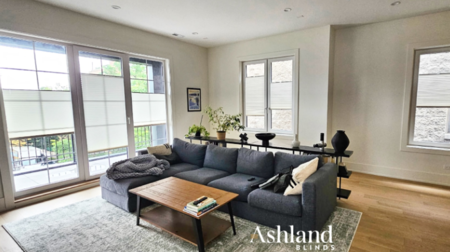
In well-designed spaces, window treatments contribute to visual structure. For tilt and turn windows, properly fitted blinds help frame the glass without overwhelming it.
Narrow blinds and frame-mounted systems maintain clean sightlines, allowing the architectural design of European windows to remain visible. This creates a more cohesive and intentional look across the room.
Instead of acting as separate decor elements, the blinds become part of the window system itself, supporting the overall aesthetic of the space.
Color, Material, and Minimal Design Integration
Window treatments for modern interiors must align with the overall design language of the home. In spaces featuring European windows, minimalism and precision are often key themes.
Neutral tones and clean finishes work best for maintaining visual continuity. They allow natural light and architectural elements to remain the focus while still providing privacy and control.
Material choice also matters. Lightweight yet durable fabrics ensure that blinds maintain their shape and performance over time, especially when used frequently with tilt and turn windows.
The goal is not to dominate the space but to enhance it subtly and consistently.
Why Custom Fit Improves Both Function and Design
Custom fit blinds are especially important for tilt and turn windows because of their dual function movement. A precise fit ensures that the blinds do not interfere with the window’s ability to tilt or open fully.
Unlike ready-made solutions, custom shades are designed to match exact frame measurements. This eliminates gaps, improves light control, and ensures smooth operation.
In European window systems, even small misalignments can affect performance. Customization ensures that both design and functionality remain intact.
Ashland Blinds: Designed Specifically for Tilt and Turn Windows
Ashland Blinds specializes in European windows and has developed a patent-pending non-invasive installation system designed specifically for tilt and turn windows.
This no-screw installation method allows blinds to attach directly to the frame without damaging it, preserving the integrity of precision built European windows.
Each blind is custom-made to fit narrow window frames, ensuring a seamless integration with the architecture of the home. The result is a clean built in appearance that supports both modern interior design and everyday functionality.
Creating a Cohesive Interior with Integrated Window Treatments
In modern homes consistency is key. Window treatments should not feel like separate additions but like part of the overall design structure.
Blinds for tilt and turn windows help achieve this by blending directly into the frame, maintaining clean lines and visual balance throughout the space.
When used correctly, they support both aesthetic harmony and practical performance, ensuring that every room feels connected and thoughtfully designed.
Conclusion
Tailored window treatments are essential in homes featuring tilt and turn windows and European windows. These systems require more than standard blinds. They require precision, adaptability, and non-invasive installation.
By choosing custom shades designed specifically for these windows, homeowners can achieve a seamless balance between interior design and functionality. Narrow blinds, frame-mounted systems, and no-screw installation methods ensure that both the window and the treatment work together without compromise.
In modern interior design details matter. When window coverings are carefully chosen, they do more than complete a room. They elevate it.