
Agencies that manage client video content face a different problem from solo creators. Their work includes cutting clips, protecting brand voice, handling approvals, organizing source files, and turning long recordings into deliverables that clients can review quickly. Video Cutter AI can help agencies create clip candidates from client footage, but the workflow still needs strong briefing, quality control, and version management.
Client Work Starts with the Brief
Video Cutter AI is more useful when the agency has a clear brief before the source video is processed. The brief should define the client’s audience, topics to prioritize, claims to avoid, tone preferences, platform targets, and any legal or compliance concerns.
Without this context, a clip may look strong but still be wrong for the client. A founder’s bold opinion might fit a personal brand but feel risky for a corporate account. A customer quote might need approval before public use.
Turning the Brief into Clip Criteria
The agency should translate the brief into a checklist. What does a good clip need to do? Build awareness, answer objections, show proof, educate prospects, or drive traffic to the full asset?
This gives reviewers a shared standard. It also makes feedback easier because the client can respond to clear criteria instead of vague preferences.
Organizing Candidate Clips for Review
(How to use Video Cutter AI workflow guide)
Client repurposing breaks down when files are hard to track. Each candidate clip should be labeled by source video, topic, speaker, platform, status, and review notes. A small amount of structure saves time later.
A useful approval flow might include candidate selected, internal review, client review, revisions needed, approved, scheduled, and published. This makes it clear where each clip stands.
Avoiding Approval Confusion
Agencies should avoid sending clients too many rough clips at once. A smaller shortlist with clear notes is easier to approve than a large folder of loosely selected highlights.
Each clip should include a short reason for selection. For example: “answers pricing objection,” “introduces founder POV,” or “explains feature use case.” This helps the client judge purpose, not just style.
Quality Control for Brand and Accuracy
Agency clips need extra review because the agency is publishing on behalf of someone else. Captions should be proofread carefully. Product names, customer names, numbers, dates, and claims should match the client’s approved language.
Tone also needs review. Some clients prefer confident and direct. Others prefer measured and educational. The same source clip can be edited differently depending on brand position.
For regulated or sensitive industries, context is critical. A short clip should not remove disclaimers, conditions, or examples that keep the message accurate.
When I review agency-style clips, I would also compare the language against the client’s approved messaging. A phrase that feels harmless in conversation may conflict with how the client describes a feature, service, audience, or result in public materials.
Delivering Clips as a System
Strong agencies do not deliver isolated files. They deliver a usable content package. That package may include final videos, captions, platform recommendations, suggested post copy, source notes, and performance tracking fields.
This makes the client’s internal publishing process easier. It also positions the agency as a strategic partner rather than a clipping service.
After campaigns go live, agencies should review performance by clip type. If objection-handling clips create qualified leads, future interviews can ask more direct buyer questions. If founder story clips drive comments, the next recording can capture more narrative moments.
That review should be shared with the client in plain language. Instead of only reporting views, the agency can explain which themes earned saves, which clips created replies, and which formats should be repeated in the next production cycle.
Conclusion
The common agency mistake is treating client repurposing as a volume task. Agencies should avoid weak briefs, oversized approval folders, unclear file names, and clips that ignore brand tone or compliance context. Better client work comes from clear criteria, tight shortlists, and review notes that explain why each clip exists.
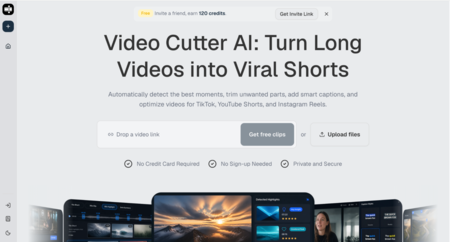
Video Cutter AI (https://video-cutter.ai/) has successfully bridged the gap between long client recordings and a more practical first-pass clipping workflow, helping agencies create candidate clips faster while keeping briefing, review, approvals, and brand protection central.
Try Video Cutter AI: https://video-cutter.ai/