
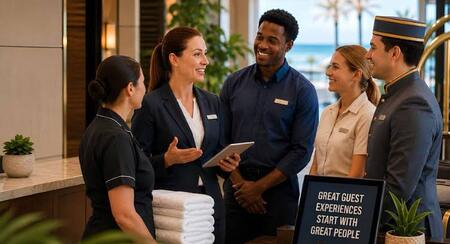
There are very few industries that feel the impact of workforce shortages as quickly as hospitality does. It starts with an empty front desk or a short-staffed kitchen, and moves to delayed room service, and so on.
All these issues can affect the guest experience within hours. That ground reality has pushed hospitality staffing to the top of the agenda for hotels, restaurants, resorts, and event venues.
Talent Gaps are Still Creating Hiring Pressure
Recruitment remains a challenge, as many employers seek experienced housekeepers, cooks, servers, front-desk associates, and event staff. And it often starts with fewer qualified applicants than expected.
The open positions, on top, can place extra strain on the existing teams, particularly during busy periods. Managers frequently have to manage service expectations with limited staff availability.
These factors shape hiring today:
- There are fewer experienced candidates in the market
- Ongoing competition from other industries
- Frequent employee turnover
- Rising demand for job-ready workers
Employees Want More Than Just a Paycheck
The conversation around employment has also changed. While compensation remains important, workers also consider other factors before accepting a role. Let’s take a closer look:
Flexibility
Employees need flexibility, and their schedules play a much larger role. That’s why candidates now look for predictable shifts and want more control over their working hours. Hospitality employers, in particular, attract stronger interest from job seekers if they offer flexibility.
Growth
Growth opportunities matter greatly. Especially as employees are more likely to stay where they see a clear path towards their future. These factors play an important role in strengthening retention:
- Training programs
- Skill development
- Internal progression opportunities
Businesses that recognize these expectations early may be in a much stronger position when they are recruiting new talent.
Faster Recruitment Processes
When hiring cycles are overly lengthy, it can create operational headaches. In hospitality, though, delays of even a few weeks can put excessive stress on teams. Particularly during in-seasonal periods or when there’s a high demand.
Many employers have therefore taken steps to simplify the recruitment journey where possible:
- Mobile-friendly applications
- Digital onboarding tools
- Streamlined screening processes
- Online assessments
These small steps can help reduce unnecessary delays between application and start date. And the overall communication also improves. One can expect faster updates and quicker responses, which keep candidates engaged throughout the hiring process.
Preparing for seasonal and peak-demand periods
In the hospitality business, it makes sense for employers to maintain access to temporary or contract talent. It can be better than hiring permanent employees for every minor fluctuation.
Here’s how this approach can help:
- Cover any unexpected staffing gaps
- Manage the seasonal demand increases
- Reduce pressure on the existing internal teams
- Maintain immaculate service levels, even during busy periods
What is the Role of a Hospitality Staffing Agency?
To navigate the hiring challenges, many hospitality employers choose to work with a specialized staffing agency. They provide access to pre-screened candidates, which can shorten the hiring timelines.
A staffing agency may also assist with onboarding coordination, candidate screening, compliance requirements, and workforce planning.
Conclusion
With the changing hiring demands and employee requirements, employers are adjusting their hiring practices and reviewing workforce models. They are also looking for practical ways to keep the operations running smoothly despite the competitive labor market.
A staffing agency combines speed, precision, and quality to ensure all your hiring needs are met without gaps