
1. Watch the Game
To be successful at live betting, you absolutely need to watch the game. Relying on just scores or play-by-play updates won’t cut it. You miss too much.
The real edge comes from seeing the action unfold. You can spot momentum shifts before they hit the scoreboard. Is a team controlling the ball? Are they dictating the pace? These things matter, even if the score is still close. Box scores just don’t show that kind of detail. Watching the game lets you see player trends too. You can notice if a player looks tired, confident, or is struggling. These are things that can change the game, and they might not be reflected in the odds yet. It’s about observing the game’s flow, not just the numbers.
It’s easy to get caught up in the moment and bet impulsively. But if you’re not watching, you’re just guessing. You need to see how the game is actually playing out to make smart live bets. This means paying attention to the little things – body language, coaching adjustments, how players are reacting. All of this information helps you make better decisions. Remember, watching the game is key to understanding what’s really happening.
2. Game Scripts
Successful live betting often hinges on having a plan before the game even starts. This means mapping out potential game scripts. Think of these as ‘if-then’ scenarios. For example, a bettor might decide, ‘If Team A is down by 10 points at halftime, I’ll consider betting their moneyline if it reaches +300 or higher.’ This pre-game preparation helps avoid impulsive decisions when the action heats up.
Developing these game scripts involves considering various outcomes. What happens if the underdog scores first? What if a key player gets injured early? Having a few of these pre-defined scenarios allows bettors to act decisively when opportunities arise that fit their plan. It’s about building a strategy around potential game flows, not just reacting to what’s happening in the moment. This structured approach to live betting is key.
Pre-planning your potential bets based on likely game scripts is a cornerstone of disciplined live betting. It transforms reactive wagers into strategic plays.
3. Stream Delays

Live betting feels immediate, but there’s a hidden catch: stream delays. Most broadcasts, whether TV or online, lag behind real-time action. This delay can be anywhere from a few seconds to nearly half a minute. Sportsbooks get game updates much faster than you do. This means the odds you see might already be outdated by the time you place your bet.
This gap is a major reason why live bets can go wrong. You might think you’re jumping on a great price, only to find out the play that changed the odds already happened on your screen. It’s frustrating, and it costs money. To deal with stream delays, try to bet during natural pauses in the game. Think of timeouts, commercial breaks, or the end of quarters. These moments give odds a chance to settle briefly. It reduces the risk of the line moving before your bet is even confirmed. Utilizing a responsive platform like taobin555 during these breaks allows you to lock in your position with more confidence, ensuring you aren’t fighting against a lagging broadcast.
It’s tempting to bet the second you see something happen, but that’s often a mistake. Betting mid-play is risky because the odds can change in an instant, or the market might even suspend. Waiting for a stoppage gives you a clearer picture and a better chance of getting your bet accepted at a fair price. Understanding stream delays is key to smarter live betting.
4. Bankroll Management
When you’re live betting, especially during big events, keeping a handle on your money is super important. It’s easy to get carried away when the action is fast and odds are changing by the second. Having a solid bankroll management plan stops you from making rash decisions. This means setting aside a specific amount of money just for live betting, separate from your everyday cash. Think of it as your live betting budget.
Sticking to a consistent bet size for each wager is key. Don’t go all-in on one bet just because you feel confident. A good rule of thumb is to bet only a small percentage of your total bankroll on any single game. This approach protects you when things don’t go as planned. Remember, bankroll management isn’t just about limiting losses; it’s about staying in the game long enough to capitalize on opportunities.
Here’s a simple way to think about it:
- Set a Total Live Betting Budget: Decide how much you can afford to lose before you even start.
- Determine Your Unit Size: A common practice is to bet 1-3% of your total bankroll per wager.
- Establish Game Limits: Decide on a maximum amount you’re willing to risk on any single game.
Disciplined bankroll management is the bedrock of successful live betting. It allows for calculated risks rather than emotional gambles, preserving your capital for when genuine value appears.
5. Momentum Shifts
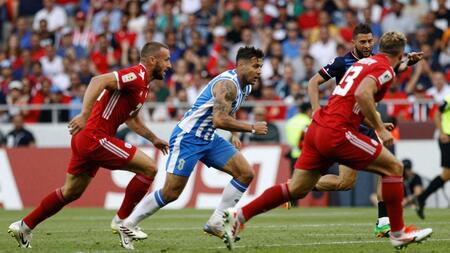
Watching a game unfold live offers a unique perspective on momentum shifts. These are the sudden, often dramatic, changes in a game’s flow that can swing the advantage from one team to another. Recognizing these shifts is key to successful live betting.
A quick scoring run or a crucial defensive stop can completely alter the game’s trajectory. For instance, in basketball, a team down by 15 points might suddenly go on a 10-0 run, drastically changing the live odds. Similarly, a soccer team scoring a goal against the run of play can inject new energy and shift the betting market’s perception.
It’s important to distinguish between a genuine momentum shift and a temporary burst. A true shift is often backed by tactical adjustments or sustained player performance, not just a few lucky breaks. Betting on these momentum shifts requires quick analysis and decisive action before the sportsbooks fully adjust their lines.
6. Commercial Breaks
Commercial breaks are a goldmine for live bettors. When the action pauses, odds tend to stabilize, giving bettors a clearer picture of the game’s state. This is the time to strike.
Capitalize on the lull by placing your bets during these natural stoppages. Think timeouts, quarter changes, or even injury delays. These moments offer a brief window where you can act without the odds shifting wildly mid-play. It’s about timing your wagers perfectly.
Waiting for these breaks means you’re not betting blind. You get a moment to assess the situation, see how teams are reacting, and then place your bet. This strategy helps avoid the frustration of having your bet rejected because the odds changed just as you clicked. Smart bettors know that commercial breaks are not just for ads; they’re for opportunities.
7. One Game Focus
It’s tempting to jump into every live betting market that pops up. After all, there’s always a game happening somewhere. But spreading your attention too thin is a fast track to mistakes. Successful live betting requires discipline, and that starts with focusing on just one game at a time.
Trying to track multiple games means you’re likely not giving any single event your full attention. You might miss a key substitution, a subtle shift in momentum, or a player showing signs of fatigue. This lack of focus can lead to impulsive bets based on incomplete information. It’s better to be deeply invested in understanding the dynamics of one game than superficially aware of several.
When you concentrate on a single game, you can really observe the flow. You start to pick up on the little things: how a team is handling pressure, which players are getting hot, or if a coach is making smart adjustments. This deep dive into one contest allows for more informed decisions, rather than just reacting to score changes. Stick to one game; it’s a simple rule that pays off.
8. Player Trends
Watching how individual players perform in real-time can offer a significant edge in live betting. It’s not just about the score; it’s about observing the subtle shifts in a player’s game that might not be immediately reflected in the odds. For instance, a star basketball player who seems a bit off their game, missing easy shots or looking fatigued, might signal a dip in their team’s performance. Conversely, a player who’s suddenly finding their rhythm, hitting consecutive shots, or making aggressive plays, could be on the verge of a breakout performance. These player trends are often visible to the attentive observer long before they impact the betting lines.
Pay attention to fatigue, confidence levels, and body language. A quarterback under pressure consistently overthrowing receivers, a tennis player showing frustration after a lost point, or a hockey player looking slow on the ice can all be indicators. These aren’t always captured in basic stats. Spotting these shifts in player trends early allows bettors to capitalize on potentially mispriced odds. It’s about reading the game at a micro-level, understanding that individual performances drive team success and, consequently, betting opportunities.
Consider these observable player trends:
- Fatigue: Does a player seem to be slowing down, especially in the second half or late in a match?
- Confidence: Is a player hitting shots, making aggressive moves, or conversely, playing tentatively?
- Body Language: Do they appear frustrated, engaged, or disengaged from the game?
- Matchup Advantages: Is a player consistently getting the better of their direct opponent?
These observations, when combined with an understanding of the game’s context, can lead to more informed live bets. Focusing on these player trends helps move beyond just the score and into the dynamics that truly shape the game’s outcome.
9. Coaching Decisions
Coaches make moves that can flip a game’s script. Watching for these changes is key for live bettors. A coach might switch up their defensive strategy, go for it on fourth down when most wouldn’t, or shorten their player rotation. These coaching decisions can create betting opportunities before the market fully catches up.
Pay attention to substitutions and timeouts. A coach calling a timeout when their team is struggling often signals a tactical adjustment is coming. Similarly, bringing in a key player off the bench or making an unexpected lineup change can indicate a shift in strategy. These are moments where understanding the game’s context, beyond just the score, becomes really important for making informed bets. Good bettors look for these signs.
- Aggressive Play-Calling: A coach opting for aggressive plays, especially in crucial situations, can change the game’s momentum and scoring potential.
- Defensive Adjustments: Switching defenses, like going from man-to-man to zone, can disrupt an opponent’s offense.
- Player Rotation: Shortening the bench or giving more minutes to certain players can indicate a coach’s confidence or a specific game plan.
These coaching decisions aren’t always obvious from the box score. They require active observation and an understanding of team tendencies. A coach’s willingness to adapt can be a strong indicator of future performance within the game.
10. Hedging Bets
Hedging bets is a smart move for live bettors looking to protect their existing wagers or lock in a profit. It involves placing a new bet that is contrary to your original bet, essentially covering both sides of a potential outcome. This strategy is particularly useful when a pre-game bet or parlay is close to winning, but there’s still some uncertainty.
The primary goal of hedging is to guarantee a return, regardless of the final result. For instance, if you have a multi-leg parlay with only one game left and your team is winning, you might place a live bet on the opposing team. This way, if your parlay hits, you win that payout. If it loses, the hedge bet still gives you a smaller, but guaranteed, profit. Calculating the correct stake for your hedge bet is key; too much and you eat into your potential winnings, too little and you still carry significant risk.
Using a betting calculator designed for hedging can take the guesswork out of stake sizing. These tools help determine the precise amount needed to balance your potential outcomes. It’s not about winning every bet, but about managing risk and ensuring a positive outcome from your overall betting activity. Remember, effective hedging is a tool for risk management, not a way to increase your potential winnings dramatically.
Wrapping Up Your Live Betting Approach
So, we’ve gone over a bunch of ways to make live betting work better for you, especially when the big games are on. It’s not just about jumping in when the action starts, though. Having a plan before the game even kicks off, like knowing what you’ll do if things go sideways, really helps keep emotions in check. Watching the actual game, not just looking at stats, gives you a feel for momentum that numbers can’t always show. And yeah, those stream delays are a pain, so betting during breaks is a smart move. Remember to stick to your budget, don’t bet on every single game, and always keep an eye on how much you’re risking. Doing this stuff consistently can make live betting a lot more rewarding and less of a gamble.