
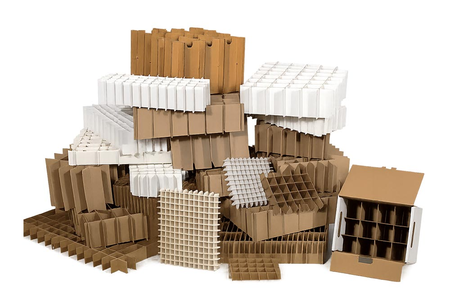
Industrial sectors that produce complex equipment and precision components require highly dependable packaging systems. Two industries where packaging plays an especially important role are aerospace and automotive manufacturing. Both sectors rely on advanced engineering, high-value components, and strict quality standards. Because of these factors, packaging must do more than simply protect products during shipping. It must maintain structural integrity, prevent contamination, and support efficient logistics throughout the supply chain.
Manufacturers in these industries move parts through multiple stages of production and transportation. Components may travel between suppliers, assembly plants, testing facilities, and distribution centers before reaching their final destination. Each step introduces potential risks, including vibration, handling impacts, and environmental exposure. Effective packaging helps manage these challenges and ensures that products arrive safely and ready for use.
Companies that design thoughtful packaging systems reduce the likelihood of damage, maintain operational efficiency, and protect valuable components. By selecting the right materials and packaging techniques, manufacturers can strengthen supply chain reliability while supporting long-term business performance.
The Importance of Industrial Packaging in Advanced Manufacturing
Aerospace and automotive manufacturing involve complex supply chains with strict quality requirements. Even minor damage to a component can cause delays, safety concerns, or costly production interruptions. Packaging, therefore, plays a critical role in protecting parts throughout their journey from supplier to assembly line.
Industrial packaging solutions are designed to address these challenges by combining durability, stability, and protection. Packaging materials must absorb impacts, prevent movement, and shield components from environmental conditions. At the same time, they must remain efficient for workers to handle during shipping, storage, and assembly operations.
Packaging systems also support organization and traceability within the supply chain. Clearly labeled containers, protective inserts, and stable pallet loads make it easier for teams to track parts and manage inventory. This organization allows manufacturing facilities to maintain precise production schedules.
By implementing well-designed packaging systems, companies improve operational efficiency while protecting valuable components throughout the manufacturing process.
Aerospace Manufacturing Requires Precision Protection
The aerospace industry demands exceptional accuracy and reliability. Aircraft components often involve sophisticated engineering, tight tolerances, and specialized materials. These parts must remain in perfect condition during storage and transportation to maintain safety and performance standards.
Because of these strict requirements, aerospace packaging is designed with precision protection in mind. Packaging systems often include custom containers, molded cushioning materials, and reinforced structures that prevent movement during shipping. These protective elements ensure that delicate surfaces and critical components remain undamaged.
Many aerospace parts also require protection from environmental conditions such as moisture or dust. Packaging may include sealed barriers, moisture-resistant materials, or controlled environments that protect sensitive equipment during transit.
In addition to physical protection, aerospace packaging must support careful handling. Containers often include specialized lifting points or ergonomic designs that allow workers to move parts safely. These features reduce the risk of accidental damage during loading and unloading operations.
By combining protective materials with thoughtful design, aerospace packaging systems help ensure that critical aircraft components reach their destination without compromise.
Automotive Manufacturing and High-Volume Logistics
While aerospace manufacturing emphasizes precision and specialized components, the automotive industry focuses heavily on large-scale production and logistics efficiency. Automotive manufacturers produce millions of parts every year, and these components must move quickly through complex supply chains.
Automotive packaging systems, therefore, prioritize durability and efficiency. Components such as engines, transmissions, body panels, and electronic systems must remain protected during shipping while allowing fast handling on production lines. Automotive packaging often uses reusable containers, durable racks, and protective inserts that hold parts securely in place. These systems allow suppliers and manufacturers to transport large quantities of components while maintaining consistent organization.
Another important factor in automotive packaging is load stability. Palletized shipments must remain secure during transportation to prevent shifting or damage. Stretch film, strapping, and reinforced containers help maintain strong pallet loads throughout distribution networks.
Automotive packaging solutions also support just-in-time manufacturing strategies. Parts must arrive precisely when needed for assembly, which requires efficient packaging systems that allow quick loading, unloading, and identification.
Custom Packaging for Complex Components
Both aerospace and automotive industries frequently require customized packaging solutions. Standard cartons or containers may not provide sufficient protection for uniquely shaped or sensitive components.
Custom packaging allows manufacturers to design protective systems that match the exact dimensions and requirements of each part. Foam inserts, molded trays, and specialized racks help secure components and prevent movement during transport.
These solutions often reduce the need for excess packaging materials while improving protection. By designing packaging around the product itself, companies create efficient systems that maximize safety and minimize waste.
Custom packaging also supports improved handling within warehouses and production facilities. Containers designed for specific components make it easier for workers to identify, move, and store parts.
When manufacturers implement customized packaging strategies, they often experience improvements in logistics efficiency and product protection.
Protecting High-Value Components
Many aerospace and automotive components represent significant financial investments. Engines, avionics systems, precision machined parts, and specialized electronics require careful protection during shipping.
Packaging materials such as high-density foam, shock-absorbing inserts, and reinforced containers help safeguard these components from impact. These materials absorb vibration and prevent parts from shifting inside the container.
For particularly sensitive equipment, packaging may include multiple layers of protection. Outer containers provide structural support, while inner cushioning systems protect delicate surfaces and connections.
Protecting high-value components helps manufacturers avoid costly replacements and production delays. Reliable packaging systems ensure that critical parts arrive at their destination ready for immediate use.
Environmental Considerations in Industrial Packaging
Sustainability has become increasingly important in modern manufacturing and logistics. Many companies now seek packaging solutions that protect products while reducing environmental impact.
Reusable packaging systems are especially popular in the automotive industry. Durable containers and racks allow manufacturers to transport parts repeatedly between suppliers and assembly plants. This approach reduces waste while maintaining strong protection.
Recyclable materials also play an important role in sustainable packaging strategies. Corrugated containers, paper-based cushioning materials, and recyclable plastic films help companies reduce their environmental footprint.
Advances in packaging technology have also introduced lighter materials that maintain strength while using fewer resources. These improvements support both sustainability goals and cost efficiency.
By adopting environmentally responsible packaging practices, companies strengthen their commitment to sustainability while maintaining reliable protection for their products.
Supporting Global Supply Chains
Aerospace and automotive manufacturers operate on a global scale. Components often travel across continents before reaching final assembly facilities. This international movement requires packaging systems capable of withstanding long journeys and multiple handling stages.
Industrial packaging must remain durable enough to handle extended transportation while maintaining product stability. Containers may pass through ports, warehouses, trucks, and aircraft before reaching their final destination.
Packaging systems designed for global supply chains often include reinforced structures, protective cushioning, and moisture-resistant materials. These features ensure that products remain protected even under demanding shipping conditions.
Reliable packaging supports efficient global logistics by preventing damage and maintaining consistent product quality throughout the supply chain.
The Future of Aerospace and Automotive Packaging
Packaging technologies continue to evolve as manufacturing and logistics systems become more advanced. Companies increasingly adopt automation, digital tracking, and innovative materials to improve packaging performance.
Automated packaging systems help manufacturers handle high production volumes while maintaining consistent quality. Robotics and conveyor systems streamline packaging processes and reduce manual labor.
Material innovation also continues to improve packaging durability and efficiency. Engineers are developing stronger lightweight materials that provide excellent protection while reducing overall packaging weight.
Digital technologies are beginning to influence packaging design as well. Some companies use data analytics to evaluate packaging performance and identify opportunities for improvement.
Despite these advancements, the fundamental goal of industrial packaging remains constant. Packaging must protect valuable components, support efficient logistics, and maintain product quality throughout the supply chain.
For industries like aerospace and automotive manufacturing, reliable packaging systems are essential. By investing in well-designed packaging strategies, companies ensure that critical components travel safely through every stage of production and distribution.