
Introduction
Pet nutrition has evolved significantly in recent years, especially as pet owners across Canada become more informed and intentional about what they feed their animals. Food is no longer viewed as a basic necessity alone, but as a daily contributor to long-term health, comfort, and quality of life. This shift has brought premium wet food into sharper focus, particularly for dogs and cats with specific dietary needs or refined preferences.
Wet food offers advantages that go beyond taste. Its composition, texture, and moisture content support hydration, digestion, and nutrient absorption in ways that dry food alone often cannot. For pets that struggle with low water intake, dental sensitivity, or selective eating habits, wet food can play a meaningful role in maintaining balance and consistency in daily meals.
Canadian pet owners are also paying closer attention to sourcing, ingredient quality, and transparency. As awareness grows, so does demand for foods that clearly communicate what goes into each serving and why it matters. Premium wet food responds to this demand by emphasizing clean recipes, identifiable proteins, and thoughtful formulation.
This article explores why premium wet food has become a staple in modern feeding routines. It examines how quality ingredients, proper hydration, and palatability influence overall wellness, while addressing common concerns around storage, safety, and nutritional balance. For those looking to buy or order pet food online in Canada, understanding these fundamentals helps ensure smarter, more confident decisions that support pets through every life stage.
Understanding the Role of Wet Food in Daily Diets
Wet food plays a versatile and supportive role in daily pet diets, especially when used intentionally rather than occasionally. Unlike dry food, wet food contains a higher percentage of moisture, which contributes to hydration without requiring pets to drink additional water. This is particularly helpful for cats and small dogs that naturally consume less water throughout the day.
From a nutritional perspective, wet food often delivers nutrients in a more digestible form. Proteins and fats are typically less processed, making them easier for pets to absorb and utilize. This can be beneficial for animals with sensitive stomachs, senior pets, or those recovering from illness who require gentle yet nourishing meals.
Wet food also supports appetite regulation. Its aroma and texture stimulate interest at mealtime, which helps maintain consistent eating habits. For pets that skip meals or lose interest in dry kibble, incorporating wet food into daily feeding can restore enthusiasm without relying on artificial enhancers.
In many Canadian households, wet food is used as part of a mixed feeding approach. This allows pet owners to combine the dental benefits of dry food with the hydration and palatability of wet options. When portioned correctly, this balance supports weight management and nutritional completeness.
Rather than being viewed as a treat, premium wet food serves as a functional component of daily nutrition. When chosen carefully, it complements other foods while addressing hydration, digestion, and satisfaction in a practical, everyday way.
Ingredient Transparency and Why It Builds Trust
Ingredient transparency has become a deciding factor for pet owners who want confidence in every purchase. Clear labeling, recognizable ingredients, and honest sourcing help build trust between brands and consumers. This transparency allows buyers to understand exactly what their pets are eating and why those ingredients are included.
Premium wet food brands often prioritize short ingredient lists that focus on real proteins, natural binders, and essential nutrients. When meat sources are clearly identified and unnecessary fillers are avoided, pet owners can make informed choices that align with their values and their pets’ needs. This is especially important for pets with allergies or intolerances, where vague labeling can create uncertainty.
Transparency also extends to how ingredients are processed. Gentle cooking methods help preserve nutrients while maintaining safety. When brands explain these processes openly, it reassures consumers that quality is considered at every stage.
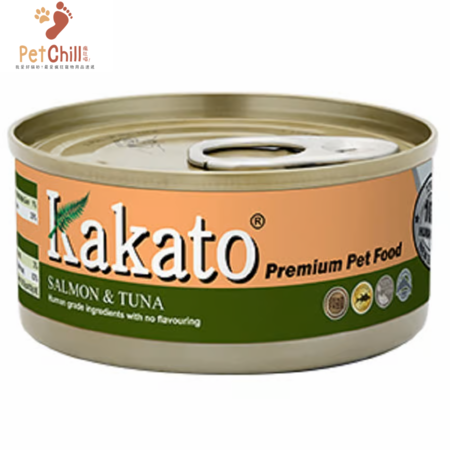
Within the category of canned foods, products such as kakato 罐頭 are often recognized for emphasizing simple recipes and clear ingredient breakdowns. This approach appeals to owners who prefer knowing the origin and purpose of each component rather than relying on marketing claims alone.
For Canadian shoppers ordering pet food online, transparency reduces hesitation and supports repeat purchasing. Trust grows when products consistently deliver what labels promise. Over time, this trust becomes just as important as taste or convenience, shaping long-term feeding habits and brand loyalty.
Protein Quality Versus Protein Quantity
Protein is often the first element pet owners evaluate when choosing wet food, yet quality matters far more than quantity. A higher percentage on the label does not automatically translate to better nutrition. What truly supports muscle maintenance, energy, and immune function is how digestible and biologically appropriate the protein source is.
High quality proteins come from clearly identified animal sources rather than vague byproducts. These proteins contain essential amino acids that pets require daily. When protein is easy to digest, pets absorb more nutrients with less strain on their digestive systems. This is particularly important for senior pets or those with sensitive stomachs.
Excessive protein from poor sources can lead to waste, digestive discomfort, and unnecessary calorie intake. Balanced formulations focus on providing the right amount from trusted sources rather than inflating numbers for marketing appeal. Wet food often excels here because it relies less on plant fillers and more on whole meat ingredients.
Pet owners in Canada increasingly look for brands that prioritize quality sourcing over exaggerated claims. When shopping online, reviewing ingredient lists alongside guaranteed analysis helps separate meaningful nutrition from empty numbers.
At specialty retailers such as petchillhk.com, curated selections highlight products that focus on clean protein sources rather than protein overload. This approach supports pets at every life stage and aligns with modern feeding philosophies centered on balance and sustainability.
Ultimately, protein should nourish, not overwhelm. Choosing wet food that emphasizes quality over quantity helps ensure pets receive nutrition that supports long-term wellness without unnecessary excess.
Moisture Content and Its Impact on Hydration
Hydration plays a critical role in overall pet health, yet it is often overlooked in daily feeding routines. Wet food naturally contains significantly more moisture than dry alternatives, helping pets meet hydration needs through regular meals rather than relying solely on water bowls.
Cats, in particular, have a low thirst drive. Many do not drink enough water on their own, which can place strain on urinary and kidney health over time. Wet food helps address this issue by delivering moisture directly within the food itself. Dogs also benefit, especially during warmer months or periods of increased activity.
Proper hydration supports digestion, circulation, and temperature regulation. It also helps nutrients move efficiently through the body. Pets consuming moisture rich diets often experience smoother digestion and more consistent energy levels.
For Canadian pet owners, seasonal changes can influence hydration needs. Indoor heating during colder months and outdoor activity in summer both increase water loss. Wet food provides a steady hydration source that adapts well to these fluctuations.
Hydration through food is especially valuable for pets that refuse to drink adequate water or those transitioning from illness. Wet food offers moisture in a form that feels natural and appealing.
Incorporating wet food does not require eliminating dry food entirely. Many feeding plans use wet food strategically to supplement hydration while maintaining variety. When moisture is addressed proactively, pets are better supported for long-term comfort and wellness throughout changing environments and routines.
Texture, Aroma, and Palatability for Picky Eaters
Mealtime satisfaction is influenced by more than nutritional content alone. Texture and aroma play a powerful role in whether pets eagerly eat or walk away from their bowls. Wet food excels in this area by offering a sensory experience that dry food often cannot replicate.
The soft texture of wet food is easier to chew and swallow, making it ideal for pets with dental sensitivity, missing teeth, or age related changes. For younger pets, varied textures encourage interest and prevent boredom with repetitive meals.
Aroma is equally important. Wet food releases natural scents that stimulate appetite, especially for picky eaters. These aromas come from real ingredients rather than artificial flavoring, which helps maintain trust and nutritional integrity.
Palatability becomes especially important during transitions. Pets switching foods or recovering from illness may resist unfamiliar meals. Wet food offers comfort and familiarity through smell and mouthfeel, making adjustment smoother.
Canadian pet owners often report that incorporating wet food reduces mealtime stress. Instead of coaxing or adding toppers, the food itself becomes appealing. This consistency supports healthier routines and reduces waste.
Palatability does not mean indulgence. High quality wet food balances taste with nutrition, ensuring that pets enjoy meals without compromising dietary goals. When pets look forward to eating, feeding becomes a positive daily interaction rather than a challenge.
Comparing Grain-Free and Limited-Ingredient Options
Grain-free and limited-ingredient wet foods are often grouped together, yet they serve different purposes. Understanding their distinctions helps pet owners choose options that align with individual needs rather than following trends.
Grain-free wet food removes ingredients such as wheat, corn, or rice. These formulas are often chosen for pets with suspected grain sensitivities or for owners seeking simplified recipes. However, grain-free does not automatically mean better. What matters is whether the replacement ingredients are equally digestible and nutritionally appropriate.
Limited-ingredient formulas focus on reducing the number of components in each recipe. This approach is especially useful for pets with allergies or intolerances. Fewer ingredients make it easier to identify triggers and maintain consistency.
Both options can be beneficial when chosen for the right reasons. Problems arise when they are selected based on assumptions rather than observed needs. Not all pets require grain-free diets, and unnecessary restrictions can limit nutritional variety.
Canadian pet owners shopping online benefit from clear labeling and detailed descriptions. Reviewing ingredient lists and feeding guidelines helps ensure selections match health goals rather than marketing language.
Wet food in both categories can support balanced diets when formulated responsibly. The key is understanding why a specific option is chosen and monitoring how pets respond. Thoughtful selection leads to better outcomes and fewer dietary adjustments over time.
Feeding Wet Food to Indoor Pets Versus Outdoor Pets
Indoor and outdoor pets often have different nutritional needs, and wet food can be adapted effectively for both lifestyles. Indoor pets typically lead less active lives, which means their diets should focus on controlled calories while still delivering complete nutrition. Wet food helps by offering satiety through moisture and protein without excessive fillers.
Indoor cats and dogs also spend more time in climate controlled environments, which can reduce natural thirst cues. Wet food supports hydration passively, helping maintain urinary and digestive health without requiring changes in drinking habits. This is particularly beneficial for pets that rely heavily on dry food alone.
Outdoor pets, on the other hand, often burn more energy and face greater environmental exposure. Wet food provides easily digestible nutrients that help replenish energy and support recovery after physical activity. Its higher palatability also encourages consistent eating, even when routines vary.
Weather conditions further influence feeding needs. Cold temperatures can increase calorie requirements, while warmer conditions raise hydration demands. Wet food adapts well to both scenarios, offering flexibility without complicated adjustments.
For households with both indoor and outdoor pets, wet food simplifies feeding strategies. Portions can be adjusted while maintaining the same nutritional base. This consistency reduces confusion and supports smoother feeding routines.
Understanding lifestyle differences allows pet owners to use wet food more intentionally. When matched correctly, it supports comfort, energy, and wellness regardless of where pets spend most of their time.
Storage, Shelf Life, and Food Safety Basics
Proper storage and handling are essential to maintaining the quality and safety of wet pet food. While canned food is shelf stable before opening, attention to storage conditions ensures nutrients and flavor remain intact until mealtime.
Unopened cans should be stored in a cool, dry place away from direct sunlight. Excessive heat or humidity can compromise packaging integrity over time. Checking expiration dates before purchase and use helps prevent accidental feeding of outdated products.
Once opened, wet food must be refrigerated promptly. Most products remain safe for up to two or three days when sealed properly in an airtight container. Leaving opened cans exposed can lead to spoilage and odor absorption, which may reduce palatability.
Portion control also plays a role in safety. Serving appropriate amounts reduces waste and limits how long food sits out. Wet food should not remain at room temperature for extended periods, especially in warmer environments.
Clean feeding bowls are equally important. Residue buildup can harbor bacteria, affecting both food safety and appetite. Washing bowls after each meal supports hygiene and encourages consistent eating.
For Canadian households that buy pet food online, understanding storage basics helps protect purchases made in larger quantities. Safe handling preserves quality and ensures pets receive food as intended.
When treated with care, wet food remains a reliable and safe option. Good storage habits protect both nutrition and peace of mind for pet owners.
Common Misconceptions About Canned Pet Food
Canned pet food is frequently surrounded by misconceptions that can make pet owners uncertain about including it in their feeding routines. Many of these concerns are based on outdated information rather than current nutritional research. As pet nutrition has evolved, so have the standards used to formulate wet food products. Understanding the facts behind these assumptions is essential for making informed feeding choices. By separating myths from reality, owners can better evaluate whether canned food fits their pet’s overall health needs.
Key Misconceptions About Canned Pet Food
- Wet food causes dental problems: A common belief is that canned food contributes directly to poor dental health in pets. While dry food may provide some light mechanical abrasion, it does not replace proper dental care. Consistent brushing, dental treats, and veterinary checkups play a far more significant role in maintaining oral health than food texture alone.
- Canned food is nutritionally unbalanced: Some owners assume wet food lacks complete nutrition compared to dry alternatives. In reality, high-quality canned foods are carefully formulated to meet established dietary standards. When ingredient lists and nutritional labels are reviewed properly, wet food can serve as a complete diet or a balanced part of a mixed feeding plan.
- Wet food leads to weight gain: There is a misconception that canned food is too rich and automatically causes pets to gain excess weight. Weight management depends primarily on portion size and total calorie intake, not moisture content. Because wet food contains more water, it can promote satiety while delivering fewer calories per gram, which may actually help with portion control.
- Canned food is inconvenient to use: Some pet owners believe wet food is difficult to store or serve compared to dry food. Modern packaging options, including resealable lids and single-serve cans, have improved convenience significantly. Once a feeding routine is established, canned food can be just as easy to manage as any other diet format.
- Wet food is too expensive: Cost is often cited as a major drawback of canned pet food. While premium options may seem more expensive upfront, their nutritional density and lower waste can offset the price over time. Pets receiving consistent, high-quality nutrition may also experience fewer diet-related health issues, potentially reducing long-term expenses.
Misconceptions about canned pet food often prevent owners from fully considering its potential benefits. Many of these beliefs stem from assumptions that no longer align with modern nutritional standards. When evaluated objectively, wet food can support balanced nutrition, weight management, and overall wellness. Understanding the facts allows pet owners to make decisions based on their pet’s specific needs rather than outdated myths. Replacing misinformation with accurate knowledge leads to feeding choices that better support long-term health and quality of life.
Conclusion
Premium wet food has earned its place in modern pet nutrition by addressing hydration, digestibility, and mealtime satisfaction in a practical way. As pet owners become more informed, feeding choices increasingly reflect long-term wellness rather than short-term convenience.
Across Canada, demand continues to grow for food options that combine transparency, quality ingredients, and thoughtful formulation. Wet food supports these priorities by offering balanced nutrition in a form that pets naturally enjoy. When integrated correctly, it complements dry food or stands confidently on its own.
Lifestyle factors, age, and individual preferences all influence feeding decisions. Wet food provides flexibility across these variables, making it easier to adapt routines without sacrificing consistency. From picky eaters to senior pets, its benefits remain relevant across life stages.
Access to reliable retailers also plays a role in confident purchasing. Platforms such as petchillhk.com offer curated selections, professional support, and convenient ordering that help pet owners make informed choices without unnecessary guesswork. A wide product range and consistent availability simplify long-term planning.
Ultimately, feeding is about care. Choosing premium wet food reflects an investment in daily comfort, hydration, and nutrition. For those looking to browse options or order online in Canada, exploring high quality wet food can be a meaningful step toward supporting healthier, happier pets through every season of life.