
Introduction
Premium Japanese sake has gained steady recognition among Canadian consumers who value refined craftsmanship, balance, and authenticity in alcoholic beverages. Once limited to traditional dining environments, high-quality sake is now commonly enjoyed at home, paired with contemporary cuisine, and appreciated as part of a broader lifestyle rather than a ceremonial ritual. This shift reflects growing interest in products shaped by intention, heritage, and thoughtful production.
At the core of premium sake is a brewing philosophy that prioritizes purity, precision, and restraint. Unlike mass-produced alcohol, refined sake focuses on clarity of flavour rather than intensity. Each stage of production, from rice preparation to fermentation timing, is carefully controlled to preserve harmony. The result is a beverage that feels clean on the palate, layered in aroma, and smooth in its finish.
For Canadian consumers, premium sake also represents access to authentic Japanese brewing traditions without compromise. Improved global distribution and reliable online purchasing have made it easier to explore styles that were once difficult to find outside Japan. This accessibility has encouraged education, curiosity, and more deliberate buying decisions.
Understanding what distinguishes ultra-refined sake allows consumers to choose bottles with confidence when ordering online or selecting gifts. By learning how craftsmanship, ingredients, and brewing philosophy influence quality, sake enthusiasts gain deeper appreciation. Premium sake is not defined by complexity alone, but by balance, intention, and enjoyment that fits naturally into modern life.
History of High-Grade Sake Brewing in Japan
The history of high-grade sake brewing in Japan is rooted in regional knowledge, seasonal awareness, and generations of refinement. Early sake production relied heavily on natural fermentation and local resources, with brewers learning through experience rather than formal instruction. Over time, these observations evolved into structured methods that emphasized consistency and quality.
During the Edo period, sake brewing expanded alongside urban growth. Breweries became more specialized, refining rice preparation techniques and fermentation practices to produce cleaner, more stable flavours. This era also marked increased attention to water quality, storage conditions, and temperature management. These developments formed the foundation of premium sake brewing as it is known today.
Modern brewing combines tradition with controlled innovation. Advances such as temperature-regulated fermentation tanks and carefully cultivated yeast strains allow brewers to maintain consistency while preserving regional character. These tools are used to protect delicate aromas rather than replace traditional practices.
For contemporary consumers, particularly those purchasing sake online in Canada, this history provides valuable context. Premium bottles represent centuries of refinement rather than marketing alone. Understanding this background helps buyers recognize why certain sake styles command respect and loyalty. It also explains why premium sake continues to be appreciated by collectors and everyday drinkers who value authenticity and craftsmanship.
How Rice Polishing Transforms Aroma and Texture
Rice polishing is one of the most influential factors in determining the quality and character of premium Japanese sake. The outer layers of sake rice contain proteins, fats, and minerals that can introduce heavier flavours during fermentation. By carefully milling away these layers, brewers expose the starchy core, which ferments more cleanly and predictably.
As the polishing ratio increases, the resulting sake becomes lighter, smoother, and more aromatic. Floral and fruity notes develop with greater clarity, while sharp or coarse elements are reduced. This transformation is not about making sake stronger, but about creating balance and elegance. Each percentage of rice removed requires additional time, energy, and expertise, making high polishing ratios a clear indicator of craftsmanship.
For consumers exploring premium sake, polishing ratios offer useful guidance when comparing bottles. Highly polished sake often feels soft on the palate, with a refined mouthfeel that suits slow sipping or pairing with delicate dishes. These qualities explain why refined sake is frequently chosen for gifting or special occasions.
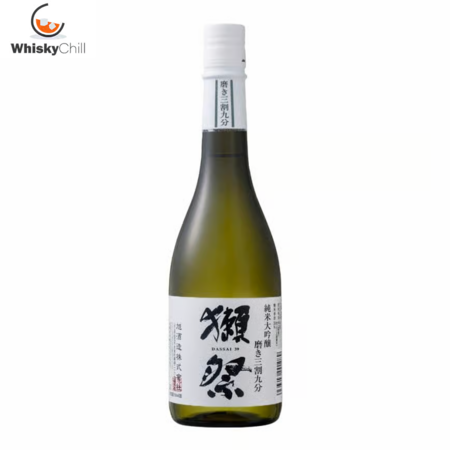
A commonly referenced example among enthusiasts is 獺祭, which demonstrates how advanced polishing techniques can enhance purity without sacrificing character. Its reputation highlights the importance of rice preparation in premium brewing.
For Canadian buyers ordering sake online, understanding polishing helps align expectations with experience. It allows for more confident selection based on personal taste preferences and intended use.
The Role of Water Purity in Premium Sake
Water plays a critical yet understated role in shaping the final profile of premium sake. It affects fermentation speed, yeast behaviour, and overall balance. Japanese breweries often rely on carefully selected water sources that have been tested and refined over generations, choosing mineral compositions that support clean fermentation.
Soft water typically produces sake with a smoother texture and gentle aroma. Harder water can encourage faster fermentation and a firmer structure, but it requires careful control to avoid harshness. Premium brewers design their entire process around water quality rather than attempting to adjust flavour later.
For Canadian consumers purchasing sake online, water purity serves as an invisible marker of craftsmanship. While water details may not always appear on labels, they help explain why certain bottles feel more refined and harmonious. Reputable retailers often provide additional product information to help buyers understand these subtleties.
Platforms such awhiskychillhk.com support informed purchasing by offering authentic Japanese sake alongside updated product details. By focusing on genuine sourcing and accurate descriptions, such retailers help connect Canadian consumers with traditional brewing standards.
Although water is rarely the focus of conversation, its influence is present in every sip. Recognizing its role deepens appreciation and supports more thoughtful purchasing decisions.
Yeast Selection and Fermentation Control
Yeast selection plays a defining role in how premium sake develops aroma, texture, and balance. Different yeast strains generate distinct flavour compounds during fermentation, influencing notes such as apple, melon, or gentle florals. Skilled brewers select yeast based on the desired style, rice polishing level, and brewing conditions to ensure harmony throughout the process.
Fermentation control is equally important. Temperature management allows yeast to work slowly and consistently, preventing aggressive alcohol development while preserving delicate aromas. Premium sake often undergoes longer, cooler fermentation periods, giving flavours time to integrate naturally. This patience results in a smoother mouthfeel and a cleaner finish.
For consumers, these controlled methods translate into a more refined drinking experience. The alcohol feels balanced rather than sharp, and the flavour profile remains cohesive from first sip to finish. This refinement is especially appealing to those who value subtlety over intensity.
Canadian buyers benefit from understanding how yeast and fermentation influence quality. It explains why premium sake commands higher prices and why its taste feels intentional rather than forceful. When ordering online, reading fermentation details can help align expectations with personal preferences.
Ultimately, yeast is not used to manipulate flavour artificially. Instead, it guides natural processes with restraint and precision. This careful balance separates premium sake from mass-produced alternatives and reinforces the craftsmanship behind each bottle.
Why Daiginjo-Style Sake Appeals to Global Consumers
Daiginjo-style sake has become increasingly popular among global consumers due to its refined, approachable character. Its high rice polishing ratios create clarity and smoothness that appeal to both seasoned drinkers and newcomers. This style balances subtle aroma with delicate flavor, making it enjoyable across a range of settings. For Canadian consumers, its versatility complements modern dining habits and social occasions. Understanding why Daiginjo resonates worldwide helps buyers appreciate its craftsmanship, taste, and cultural significance.
Why Daiginjo Appeals Globally
- Refined and Smooth Character: High rice polishing ratios remove heavier components, resulting in a clean, delicate taste. Aromatic clarity enhances the sensory experience without overpowering the palate. This refinement makes Daiginjo accessible to those new to sake while satisfying experienced enthusiasts.
- Food Pairing Versatility: Daiginjo’s balanced profile pairs well with various cuisines, from Japanese dishes to Western-style meals. Its lightness and subtle sweetness complement diverse flavors without overwhelming them. Canadian consumers benefit from this adaptability in home dining or at social gatherings.
- Consistency and Reliability: Producers focus on precision and careful brewing techniques to maintain uniformity across bottles. Consumers can expect consistent flavor, aroma, and texture with each purchase. This reliability builds confidence for online buyers seeking premium quality.
- Occasion-Friendly Beverage: Daiginjo works well for celebrations, gifting, or quiet evenings at home. Its polished presentation conveys sophistication without feeling exclusive. This makes it a practical choice for both casual and special moments.
- Global Cultural Resonance: The beverage reflects values of craftsmanship, balance, and enjoyment that appeal across cultures. Its subtlety and elegance translate easily for international markets. In Canada, this aligns with growing interest in Japanese cuisine and lifestyle experiences.
Daiginjo-style sake’s global popularity stems from its refinement, versatility, and reliability. It offers a smooth, approachable experience for both newcomers and seasoned enthusiasts. Its compatibility with diverse foods and social settings increases its appeal. Canadian consumers can explore this style with confidence, knowing each bottle reflects careful craftsmanship. Overall, Daiginjo combines tradition, accessibility, and quality, making it a universally appealing beverage choice.
Flavor Profiles: Floral, Fruity, and Clean Finishes
Premium sake is defined by elegance rather than intensity, with flavour profiles that focus on clarity and balance. Common characteristics include light floral aromas, fresh fruit notes, and a clean finish that does not linger heavily on the palate. These flavours emerge naturally through refined brewing techniques rather than added ingredients.
Floral aromas may suggest hints of blossom or subtle herbs, while fruity notes often resemble pear, apple, or melon. These characteristics feel delicate rather than sweet, creating a refreshing experience that suits slow enjoyment. The finish is typically smooth and crisp, leaving little bitterness or alcohol heat behind.
This restrained flavour structure appeals to a wide range of drinkers. It allows premium sake to be enjoyed on its own or alongside food without overpowering either element. For Canadians exploring sake for the first time, these clean profiles provide an accessible introduction that does not require specialized knowledge.
Understanding flavour balance helps consumers make confident purchasing decisions when ordering online. Product descriptions that explain aroma and finish can be more helpful than brand recognition alone. By focusing on flavour rather than strength, buyers can select sake that aligns with their preferences.
Premium sake demonstrates that complexity can exist without heaviness. Its flavours unfold quietly, rewarding attention while remaining easy to enjoy. This subtlety is what encourages repeated appreciation among casual drinkers and enthusiasts alike.
Serving Temperatures and Glassware Choices
Serving temperature plays a crucial role in how premium sake reveals its aroma, texture, and overall balance. Refined sake styles are typically best enjoyed slightly chilled, as cooler temperatures help preserve delicate floral, fruity, and rice-derived notes. When served too warm, these subtle characteristics can become muted, and the sake may feel heavier or less precise on the palate. Chilling does not mean overcooling, however. Extremely cold temperatures can suppress aroma and make the sake seem flat. Finding a gentle cool range allows its natural elegance to remain intact.
Glassware also has a noticeable influence on the tasting experience. Traditional ceramic sake cups hold cultural significance and remain appropriate for casual or ceremonial settings. For modern tasting, however, wine-style glasses often provide greater sensory clarity. Their shape allows aromas to gather and rise gradually, making it easier to identify nuanced scent profiles. Clear glass further enhances the experience by showcasing the sake’s clarity and brightness, reinforcing perceptions of quality and refinement.
For Canadian consumers enjoying premium sake at home, these adjustments are both practical and accessible. No specialized equipment is required. Experimenting with slightly different serving temperatures helps individuals discover what best suits their preferences. Consistency matters more than precision, and even small changes can noticeably improve enjoyment.
Proper serving reflects respect for the craftsmanship behind premium sake. When temperature and glassware align with the sake’s intended style, flavours feel integrated and harmonious rather than disjointed. This thoughtful approach elevates the experience without introducing complexity.
Serving sake correctly does not require formality. It simply involves awareness and intention, allowing the drink’s natural qualities to shine. This balance between tradition and modern practicality makes premium sake easy to incorporate into contemporary lifestyles.
Food Pairing Principles for Refined Sake
Refined sake pairs best with foods that respect its balance and subtlety. Lightly seasoned dishes allow delicate aromas and clean textures to remain noticeable. Seafood, fresh vegetables, and gently cooked proteins are especially compatible because they complement rather than compete with the drink. The goal of pairing is harmony rather than contrast.
Sake’s natural acidity and smooth finish make it adaptable across cuisines. It works well with Japanese dishes, but also integrates easily with Western meals commonly enjoyed in Canadian households. Grilled fish, roast chicken, mild cheeses, and vegetable-based dishes all benefit from sake’s clean structure. This versatility makes refined sake an appealing option for shared meals and relaxed dining.
Successful pairing does not require rigid rules. Texture and intensity matter more than cultural origin. Foods that feel fresh, balanced, and moderately seasoned tend to work best. Heavy sauces, extreme spice, or excessive sweetness can overwhelm refined sake and reduce enjoyment.
Understanding these principles helps consumers choose bottles with confidence when ordering online. Instead of searching for perfect matches, buyers can focus on overall balance and flavour harmony. Refined sake enhances dining by supporting conversation and atmosphere rather than dominating attention, making it a natural addition to modern home meals.
How to Identify Authentic Premium Bottles
Purchasing premium sake requires careful attention to authenticity to ensure a high-quality experience. Authentic bottles reflect the craftsmanship, care, and tradition behind their production. For Canadian consumers, selecting genuine premium sake involves understanding labels, packaging, and seller credibility. Awareness of pricing and consistency further helps in making informed choices. By knowing what to look for, buyers can enjoy premium sake confidently, whether for personal enjoyment, gifting, or special occasions.
How to Identify Authentic Premium Bottles
- Read Labels Carefully: Labels provide key information such as rice polishing ratio, alcohol content, and country of origin. Clear and detailed labeling indicates transparency and confidence from the producer. Vague or incomplete labels may suggest lower quality or uncertain sourcing. Paying attention to these details helps consumers select bottles that reflect true craftsmanship.
- Examine Packaging and Storage: Premium sake requires careful handling to maintain freshness and aroma. Bottles should be sealed properly, clean, and free of damage. Reputable sellers ensure proper storage during shipping and distribution, which is especially important for delicate varieties. Attention to packaging conditions ensures that the sake arrives as intended by the brewer.
- Assess Retailer Credibility: Buying from trusted retailers reduces the risk of grey market or counterfeit products. Authentic sellers provide genuine imports with accurate product descriptions and sourcing information. Responsive customer service further demonstrates commitment to quality and builds consumer confidence. Canadian buyers benefit from choosing platforms with a strong reputation for reliability.
- Consider Price Realistically: Premium sake often carries higher prices due to labor-intensive production and careful import handling. Extremely low prices can be a warning sign of compromised authenticity. Comparing prices across similar products helps establish reasonable expectations and avoid substandard purchases.
- Look for Consistency: Receiving consistent quality over multiple purchases builds trust in both the product and the seller. Authentic bottles should match expectations in flavor, aroma, and presentation. Consistency encourages repeat buying and deeper exploration of premium sake selections.
Identifying authentic premium sake requires attention to labels, packaging, and retailer reliability. Understanding pricing and looking for consistent quality further support confident purchasing decisions. Canadian consumers who apply these principles can enjoy genuine craftsmanship and refined flavor. Trusted retailers provide peace of mind and ensure each bottle delivers its intended experience. Ultimately, careful selection transforms sake shopping into an informed and rewarding part of the enjoyment process.
Conclusion
Premium Japanese sake represents a thoughtful balance of craftsmanship, restraint, and modern lifestyle enjoyment. Its appeal lies in refinement rather than intensity, offering clarity, elegance, and comfort with every sip. From rice polishing to fermentation control, each decision reflects intention and respect for tradition.
For Canadian consumers, access to authentic premium sake has become easier through trusted online retailers. Platforms such as whiskychillhk.com help bridge the gap between Japanese producers and international buyers by offering genuine sake and plum wine, reliable ordering options, and professional after-sales support. This convenience encourages confident exploration without compromising quality.
Understanding what defines premium sake empowers smarter purchasing decisions. It allows buyers to look beyond branding and appreciate process, balance, and authenticity. This knowledge transforms sake from an occasional novelty into a meaningful lifestyle choice.
A refined example often referenced in discussions of premium brewing is Dassai, which reflects how precision and philosophy can coexist naturally. Its reputation reinforces why craftsmanship continues to matter in modern sake culture.
For those interested in expanding their collection or planning their next purchase, now is an ideal time to browse the shop or order online in Canada. Premium sake rewards curiosity with balance and elegance, fitting seamlessly into everyday moments and special occasions alike.