
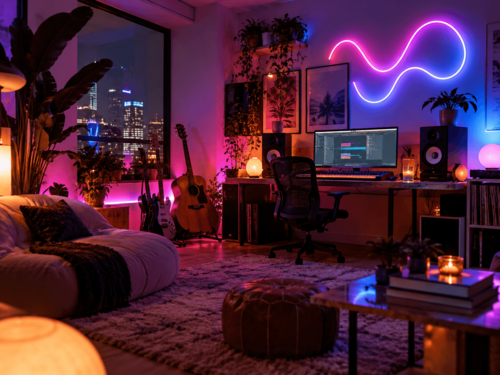
Lighting does more than help you see a room clearly. It influences how a space feels, where the eye goes first, and which details stand out. Warm lighting can make a listening room or lounge feel calm and inviting, while brighter colors can give a studio, gaming area, or entertainment space more energy. Neon lighting is especially effective because it combines illumination with decoration.
Unlike a standard ceiling fixture, neon can become part of a room’s visual identity. custom neon lights can introduce a name, lyric-inspired phrase, symbol, or design that immediately draws attention. In creative spaces, indirect lighting can also frame shelves, music gear, displays, or architectural details. The goal is to decide what the lighting should do before choosing its color, size, and placement.
How Neon Lighting Influences Mood in Creative Spaces
Color is one of the biggest reasons neon lighting can change the atmosphere of a room. Warm tones such as amber, soft pink, or warm white can make a bedroom, lounge, or reading corner feel more relaxed. Cooler shades such as blue or violet can create a more modern or energetic feel.
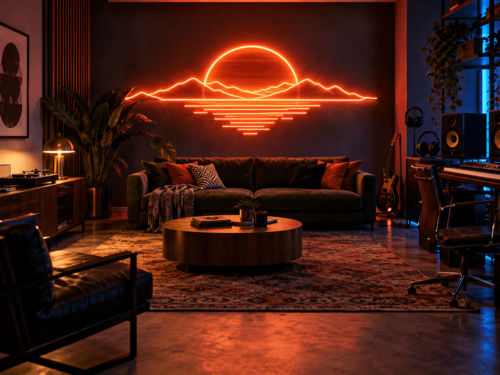
Brightness matters too. A neon sign used at full intensity may become the strongest feature in the room, while a dimmer setting can create a softer glow in the background.
This makes neon useful in rooms that serve more than one purpose. A music room, creator studio, home office, or entertainment area may need practical lighting during work or recording sessions and softer accent lighting later in the day.
Using Neon as a Visual Focal Point
Every room benefits from a clear focal point. It may be a fireplace, large piece of artwork, feature wall, or statement piece of furniture. Neon can perform the same job.
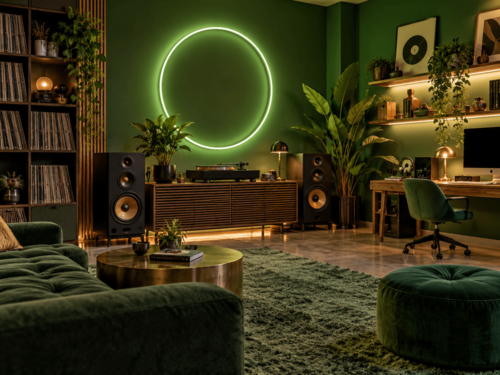
A well-placed sign naturally attracts attention because it combines light, color, and shape. This makes it useful on walls that otherwise feel empty or lack a strong design feature.
The sign does not need to be large to make an impact. A short phrase above a console table, a compact design near a record setup, or an illuminated feature behind a creator desk can create a clear point of interest without taking over the room.
Match Neon Color With the Existing Room
Neon light interacts with nearby colors, so the same sign can look different depending on the wall behind it.
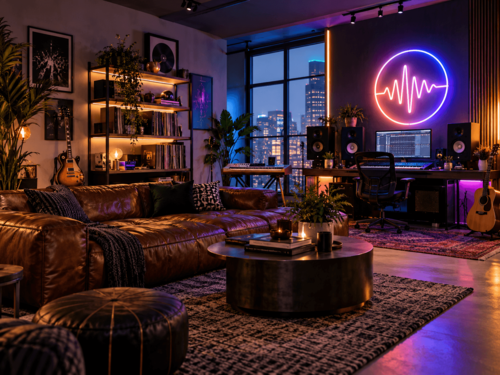
Warm neon shades often stand out strongly against dark walls, while bright white or cool colors can create contrast against warmer interiors. Neutral walls provide more flexibility because they allow the neon itself to become the main color feature.
Before choosing a sign, look at the dominant colors already in the room. Furniture, rugs, curtains, artwork, and wall paint can all affect how the final lighting feels.
Avoid adding too many competing colors. If the room already contains several bold shades, a simpler neon color may create a cleaner result.
Use Placement to Guide the Eye
Where a neon light sits can change the visual flow of the room.
A sign above a sofa directs attention toward the seating area. One behind a desk can define a creator workspace. A piece near a record player, instrument display, or media console can make that corner feel like a separate entertainment zone.
Placement can also help balance a room. If one side feels visually heavy because of large furniture or shelving, a light feature on the opposite wall can add visual weight without adding another bulky object.
For studios, content rooms, rehearsal spaces, or branded creative interiors, illuminated logo signage can create a clear identity while also acting as decorative lighting.
Mix Illuminated and Material-Based Signage
Neon is not the only way to add a visual marker to a creative or entertainment space. Custom metal signs can bring a clean, sculptural look to a studio wall, music room, reception area, or branded set without adding another light source. Custom LED Backlit Signs create a softer halo effect that can suit logo walls, recording spaces, lounges, or creator backgrounds. Using different sign types for different jobs can keep the room visually interesting without making every wall compete for attention.
Layer Neon With Other Light Sources
Neon works best as accent lighting rather than the only source of light in most rooms.
Combine it with ceiling lights, floor lamps, table lamps, or task lighting. Each layer can serve a different purpose. General lighting helps with visibility, task lighting supports activities such as reading or working, and neon adds mood and emphasis.
This layered approach also gives you more control. You can keep the main lights on when the room needs to be bright and rely more heavily on neon when you want a relaxed atmosphere.
Choose the Right Scale
A neon sign should relate to the wall and furniture around it. A very small sign may disappear on a wide wall, while an oversized design can overwhelm a compact room.
Measure the intended area before ordering. Think about viewing distance as well. A sign seen from across a living room may need to be larger than one positioned above a desk.
Short phrases and simple shapes often work well in smaller rooms. Larger illuminated signs can suit entertainment rooms, music studios, creator spaces, open living areas, or feature walls.
Create Personality Without Adding Clutter
One advantage of neon lighting is that it can add personality without requiring several decorative objects. Instead of filling a shelf or wall with accessories, one illuminated piece can provide color, character, and a focal point at the same time.
NeonChamp offers customizable signage options for different rooms and styles, making it easier to plan lighting around the mood and purpose of the space rather than relying on a generic design.
The strongest results come from restraint. Use neon where it has a clear purpose, whether that is setting a mood, highlighting a feature, or adding a personal detail.
Make Light Part of the Room Design
Neon lighting works best when it feels connected to the rest of the room. Color, brightness, scale, and placement should support the furniture and decor rather than compete with them.
A carefully chosen sign can make a quiet listening space feel warmer, give an entertainment room more energy, or direct attention toward an otherwise overlooked wall. Used with restraint, illuminated signage can become part of the room design rather than feeling like an add-on.