
Introduction
Cannabis flower and concentrates are two of the most recognisable formats available to adult cannabis consumers. Although both originate from the same plant, they differ considerably in how they are produced, presented, stored and consumed. These differences become especially noticeable when browsing an online cannabis catalogue, where flower, extracts, vapes and other formats may appear alongside one another.
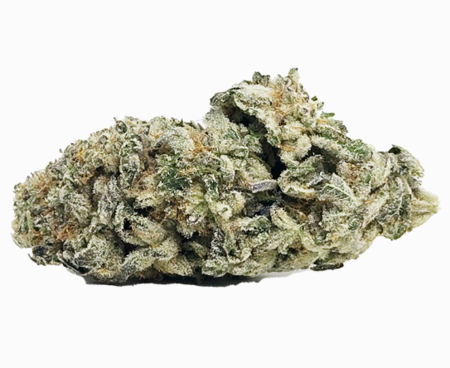
Flower is the dried and prepared portion of the cannabis plant that contains cannabinoids and aromatic compounds. Concentrates, by comparison, are processed products in which desirable cannabis compounds are collected or concentrated into a more potent form. As a result, concentrates can offer a very different experience from traditional flower.
Understanding the distinction between these formats can help consumers interpret product descriptions more effectively. Potency, preparation, aroma, storage requirements and convenience all play a role when comparing cannabis flower with concentrates.
How Flower and Concentrates Are Produced
Cannabis flower begins with cultivation. Cannabis plants are grown under controlled conditions, with cultivators managing factors such as light, temperature, humidity, nutrients and plant development. Genetics also influence characteristics such as cannabinoid content, terpene composition, plant structure and the eventual appearance of the flowers.
Once the plants reach an appropriate stage of maturity, the flowers are harvested. They then undergo trimming, drying and curing processes designed to prepare the plant material for storage and consumption. Drying reduces excess moisture, while curing allows the flower to stabilise and develop characteristics associated with its aroma, texture and overall presentation.
Concentrates begin with cannabis plant material but undergo additional processing. Instead of retaining the flower in its original physical form, extraction or separation techniques are used to concentrate cannabinoids and aromatic compounds. These approaches can be solventless or involve approved extraction solvents, depending on the production method.
The processing conditions can have a significant influence on the finished concentrate. Temperature, pressure, filtration and other production variables may affect the resulting consistency, colour, aroma and cannabinoid concentration. This explains why cannabis concentrates can look and feel very different from dried flower.
The distinction is therefore not simply about potency. Flower represents cannabis in a relatively close-to-original plant form after cultivation and post-harvest preparation, while concentrates involve additional processing intended to isolate or concentrate particular compounds. Both categories can contain cannabinoids and terpenes, but their final characteristics are shaped by different production stages.
Potency and Consumption Considerations
One of the most significant differences between cannabis flower and concentrates is cannabinoid concentration. Flower generally contain a lower concentration of cannabinoids by weight than many concentrated products. Concentrates are specifically processed to increase the concentration of compounds such as THC, which means a relatively small quantity can contain a substantial amount of cannabinoids.
This difference makes product labels particularly important. A consumer comparing flower and concentrates should not assume that an equivalent weight represents an equivalent amount of THC. The format itself needs to be considered when interpreting potency information.
Concentrates can therefore require greater awareness from consumers who have limited experience with highly concentrated cannabis products. Familiarity with cannabis flower does not necessarily mean that a consumer will have the same level of familiarity with concentrated products. Previous experience, individual tolerance and product strength can all influence how a person approaches a particular format.
Responsible consumption also involves paying attention to the product’s labelled potency and any applicable instructions. Concentrates should not be judged simply by their appearance or the amount contained in a package. A small quantity may represent a considerably stronger cannabinoid concentration than a larger quantity of flower.
For this reason, consumers comparing cannabis products can benefit from viewing potency as one part of a broader decision. The format, cannabinoid profile, familiarity and intended use should all be considered rather than assuming that a higher concentration automatically represents a better product.
Comparing Aroma, Flavour and Terpene Profiles
Aroma and flavour are important characteristics when comparing cannabis products, and flower offers a particularly direct expression of the plant’s natural terpene profile. Terpenes are aromatic compounds found in cannabis and many other plants. Different combinations can contribute notes that consumers may describe as earthy, citrus-like, herbal, fruity, floral or spicy.
Concentrates can present these aromatic compounds differently because extraction and processing may preserve, alter or concentrate certain components of the original plant material. The final sensory profile depends on factors such as the source material, extraction approach, processing conditions and storage.
Consumers browsing Cannabis Extracts Canada products may therefore find that terpene information provides useful context when comparing concentrates. Rather than focusing exclusively on THC percentage, examining available cannabinoid and terpene information can help explain why two products with similar potency figures may have noticeably different characteristics.
West Coast Bud is a Canadian online dispensary offering cannabis flower, concentrates, vape pens, edibles and other cannabis products, giving shoppers an opportunity to encounter different product formats within an online catalogue. Product descriptions can help consumers identify distinctions in format, composition and listed characteristics before making a purchasing decision.
Terpenes should not, however, be treated as guarantees of a particular effect. Aroma and flavour can contribute substantially to the sensory experience, but they do not establish predictable outcomes. A terpene profile is best understood as information about the product’s aromatic and flavour characteristics rather than a promise of how it will affect an individual.
This distinction is especially useful when comparing flower and concentrates. Some consumers may prioritise the natural presentation and sensory qualities of flower, while others may be more interested in the concentrated nature of extracts. Neither preference is inherently superior. The relevant consideration is whether the product characteristics match the consumer’s expectations.
Convenience, Equipment and Practical Considerations
Practicality can influence product choice just as much as potency or flavour. Cannabis flower is relatively straightforward as a product format, although appropriate storage and a suitable consumption method are still necessary. Its familiar physical form can also make product descriptions easier for new consumers to understand.
Concentrates can involve additional considerations depending on the specific format. Some types are designed for use with specialised devices or equipment, while certain concentrated products may have different handling requirements. Consumers therefore benefit from understanding how a particular product is intended to be used before purchasing it.
- Equipment requirements: Some concentrate formats may require dedicated equipment, whereas flower can be used with more familiar cannabis accessories. Equipment compatibility can therefore affect the practical value of a product.
- Storage: Both flower and concentrates should be protected from unsuitable environmental conditions. Excessive heat, light, air or moisture can affect cannabis products over time, making appropriate storage important for maintaining their characteristics.
- Portability: Concentrates can occupy less physical space because their cannabinoids are more concentrated, but portability should also account for the equipment needed for consumption. Flower may require more physical storage space but can offer a simpler overall setup for some consumers.
- Preparation: Flower generally involves a more familiar preparation process, while certain concentrates may involve additional handling or device preparation. This difference can matter for consumers who prioritise simplicity.
- Product familiarity: A consumer who already understands flower may find it easier to evaluate a flower product than an unfamiliar concentrate. Learning about a new format before purchasing can make the shopping process more informed.
These practical differences demonstrate why there is no universal answer to whether flower or concentrates are more convenient. Convenience depends on the consumer’s experience, equipment, storage arrangements and preferred purchasing routine.
How to Decide Which Format Fits Your Preferences
Choosing between cannabis flower and concentrates becomes easier when consumers consider several characteristics rather than treating potency as the deciding factor. Experience level is an important starting point. Someone familiar with cannabis flower may already understand how product descriptions, cannabinoid percentages and storage considerations relate to that format, while concentrates may require additional product knowledge.
Convenience is another consideration. Flower may appeal to consumers who prefer a familiar product format and straightforward preparation. Concentrates may appeal to those specifically seeking a more concentrated cannabis product and who are comfortable understanding the associated equipment and handling requirements.
Sensory preferences can also influence the decision. Consumers interested in the natural aroma and physical presentation of cannabis flower may prioritise terpene information and freshness. Those exploring concentrates may instead compare extraction characteristics, consistency, cannabinoid content and available terpene information. Consumers researching Premium Cannabis Concentrates Canada can use these characteristics alongside potency and product specifications to make more informed comparisons.
Product knowledge is particularly important for beginners. Highly concentrated cannabis products can contain significantly greater cannabinoid levels than flower, so unfamiliar consumers may benefit from learning about labels, potency and responsible use before exploring them.
There is also no requirement for consumers to permanently choose one category. Cannabis shopping can involve different product formats at different times, provided purchases remain consistent with personal preferences, applicable regulations and responsible-use considerations. Comparing categories can be useful when it is based on understanding rather than simply selecting the product with the highest potency.
An online dispensary can make this comparison process easier by presenting product descriptions, quantities, cannabinoid information and other specifications in one catalogue. However, consumers still need to evaluate the information carefully. Product appearance, marketing language or a high THC figure should not replace consideration of the complete product description.
The most suitable format is ultimately the one that aligns with the consumer’s familiarity, practical needs, sensory preferences and approach to responsible cannabis use. Flower and concentrates serve different purposes within the wider cannabis market, so comparison is more useful than declaring one category universally better.
Conclusion
Cannabis flower and concentrates originate from the same plant but represent substantially different product formats. Flower undergoes cultivation, harvesting, drying and curing before reaching consumers, while concentrates involve additional processing designed to concentrate cannabinoids and other cannabis compounds.
The differences extend beyond production. Concentrates can have considerably higher cannabinoid concentrations, making potency awareness particularly important. Aroma and flavour can also differ because processing may affect the presentation and preservation of terpene profiles. Practical factors, including storage, preparation and equipment, further distinguish the two formats.
Neither flower nor concentrates can be considered universally better. Each has characteristics that may suit different adult consumers and purchasing preferences. Understanding production methods, potency, sensory information and practical requirements gives consumers a stronger basis for comparing products.
For anyone exploring the broader cannabis market, informed selection is more useful than simply chasing maximum potency. A clear understanding of product formats allows cannabis flower and concentrates to be evaluated according to their actual characteristics, helping consumers make more considered and responsible purchasing decisions.