
Introduction
Video has become an indispensable part of modern football. Coaches at every level, from youth leagues to collegiate Programs, rely on recorded footage to evaluate player performance, analyse opponents, and improve decision-making. However, the quality of those insights depends heavily on the quality of the footage being captured. A poorly positioned camera can obscure formations, hide player movement, and limit the effectiveness of post-game analysis.
Choosing the right elevated camera system is therefore an important investment rather than simply purchasing another piece of equipment. Factors such as recording height, stability, portability, durability, and compatibility all influence how useful the footage will be throughout an entire season.
This guide explores the key considerations when selecting an elevated football camera system, helping coaches and athletic departments make informed decisions that support player development and long-term Program success.
Understanding the Different Types of Elevated Football Recording Systems
Football Programs have several options when selecting elevated recording equipment, and each serves different operational needs. Understanding these systems helps coaches choose equipment that aligns with their Program’s size, budget, and recording requirements.
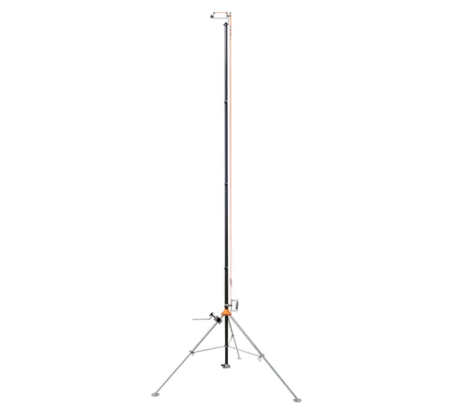
Portable tripod systems are among the most common solutions. They are relatively lightweight, easy to transport, and suitable for schools that travel regularly for away games. Their straightforward setup makes them practical for coaches who need efficient deployment before kick-off.
Telescoping mast systems provide additional recording height while maintaining portability. The increased elevation delivers a wider view of the field, allowing coaches to capture formations and player movement with greater clarity.
Some facilities opt for permanent recording installations. These systems offer consistency from game to game because camera placement remains unchanged. Although less flexible than portable options, they can produce highly reliable footage for Programs with dedicated home venues.
Mobile recording towers provide another alternative, combining height with mobility. These systems can be repositioned as needed while offering stable support for various recording devices.
Each option has distinct advantages, making it important to evaluate how often equipment will be used, where games are played, and what level of portability is required.
The Most Important Features to Compare Before Buying
Not every elevated recording system performs equally well in real football environments. Comparing essential features before making a purchase helps ensure long-term value and reliable performance.
Recording height should be one of the first considerations. Greater elevation allows coaches to capture complete offensive and defensive formations rather than isolated sections of the field. This broader perspective improves tactical analysis and player evaluation.
Stability is equally important. Football games often take place in windy or unpredictable weather conditions. Equipment that remains secure minimises camera shake and maintains consistent image quality throughout the game.
Ease of transport benefits Programs that frequently travel. Lightweight designs with simple assembly reduce setup time and minimise the physical effort required by coaching staff.
Durability also deserves careful attention. Football seasons involve repeated transportation, outdoor exposure, and regular equipment handling. Strong construction materials help ensure dependable performance over multiple seasons.
Compatibility with smartphones, tablets, action cameras, and professional cameras increases flexibility, allowing Programs to adapt their recording equipment as technology evolves.
Finally, safety should never be overlooked. Equipment should provide secure support without creating hazards for players, officials, or spectators positioned around the field.
Matching Equipment to Your Program’s Needs
Every football Program operates differently, making it essential to choose equipment that reflects specific coaching objectives and available resources.
Youth Programs often prioritise portability and ease of setup because volunteers or small coaching staffs typically manage equipment. Simple systems that require minimal assembly allow more time to focus on coaching young athletes.
High school teams usually require equipment that balances affordability with professional-quality recording. Coaches frequently analyse both practices and games, making reliability an important consideration throughout the season.
College Programs often demand more advanced recording capabilities due to larger coaching staffs, detailed scouting responsibilities, and extensive player evaluation. Equipment capable of supporting multiple recording devices and consistent high-angle footage becomes increasingly valuable.
Programrs should also consider how frequently recording equipment will be used. Teams reviewing every practice may require more durable systems than organisations recording only competitive matches.
For coaches who regularly review footage using a Hudl Endzone Camera workflow, equipment from Hi Rise Camera can complement that process. Hi Rise Camera brings you a first-in-class solution for capturing high-angle and aerial photo & video footage, offering versatile elevated recording systems suitable for football practices, games, and many other sporting events. Selecting equipment that integrates smoothly into an existing video analysis routine improves efficiency throughout the season.
Matching equipment to actual Program needs prevents unnecessary spending while ensuring coaches obtain the recording quality required for meaningful analysis.
How Recording Technology Integrates with Modern Coaching Software
Modern football analysis extends well beyond recording games. Today’s coaching software allows teams to organise, share, and review footage efficiently, making equipment compatibility increasingly important.
Several factors improve the integration between recording equipment and digital coaching platforms:
- Simple video transfer: Recording devices should allow footage to be transferred quickly to computers or cloud-based storage. Faster uploads mean coaches can begin reviewing practices and games without unnecessary delays.
- Efficient collaboration among coaches: Digital platforms allow multiple members of the coaching staff to review identical footage simultaneously. Coordinators, position coaches, and analysts can share observations while preparing for upcoming opponents.
- Player access to recorded sessions: Many Programs provide athletes with access to their own footage. Reviewing individual performances encourages accountability and helps players better understand coaching feedback.
- Support for recruiting and player development: High-quality recordings can assist with athlete evaluations, recruitment opportunities, and long-term performance tracking. Consistent footage also creates valuable archives for future comparison.
- Remote accessibility: Cloud-based storage enables coaches to review games from virtually any location, making preparation more flexible during busy schedules or travel periods.
When recording equipment works seamlessly with coaching software, football Programs can spend less time managing files and more time improving performance.
Maximising Stability and Video Quality Throughout the Season
Even excellent recording equipment requires proper setup and maintenance to deliver consistent results. Establishing good recording habits helps preserve image quality across an entire football season.
The following practices improve long-term recording performance:
- Choose stable ground for every setup: Uneven surfaces increase the likelihood of unwanted movement during recording. Selecting firm, level ground helps maintain steady footage throughout the game.
- Use a dependable Endzone Tripod: A quality Endzone Tripod provides the stability needed to support elevated recording equipment while reducing vibration caused by wind or accidental contact. Stable support contributes directly to clearer football footage.
- Inspect equipment before every game: Regular checks help identify loose components, worn fittings, or damaged accessories before they affect recording quality. Preventative maintenance often extends equipment lifespan.
- Protect equipment during transport: Using appropriate carrying cases reduces wear caused by repeated travel between venues. Careful transportation also lowers the risk of accidental damage.
- Store equipment correctly after use: Keeping equipment clean, dry, and properly stored helps preserve its structural integrity and ensures dependable performance throughout future seasons.
Consistent maintenance allows football Programs to maximise the return on their equipment investment while producing reliable footage for coaching analysis.
Avoiding Common Buying Mistakes That Lead to Poor Results
Purchasing recording equipment without careful evaluation can lead to frustration and unnecessary expense. Many common mistakes are easily avoided with proper planning.
One frequent error is focusing exclusively on price while overlooking recording quality. Lower-cost equipment may initially appear attractive but often sacrifices stability, durability, or compatibility.
Another mistake is selecting equipment that does not provide sufficient recording height. Limited elevation reduces the coach’s ability to observe complete formations, making tactical analysis less effective.
Some Programs also underestimate the importance of portability. Heavy equipment requiring lengthy assembly may discourage consistent use, particularly during away games.
Ignoring compatibility with current recording devices can create additional costs later. Equipment that supports multiple cameras offers greater flexibility as technology changes.
Finally, failing to consider future Program growth can result in premature replacement. Purchasing equipment capable of supporting expanding coaching needs often provides better long-term value than repeatedly upgrading smaller systems.
Carefully comparing features before making a purchase helps football Programs avoid these pitfalls while selecting equipment that remains useful for many seasons.
Conclusion
Selecting the right elevated camera system plays a significant role in the quality of football coaching and player development. Reliable recording equipment provides coaches with clearer views of formations, player movement, and tactical execution, leading to more informed decisions both on and off the field.
By considering factors such as recording height, stability, portability, durability, software compatibility, and long-term maintenance, football Programs can invest in equipment that supports consistent performance throughout the season. Matching those features to the Program’s specific needs ensures the recording system delivers practical value rather than unnecessary complexity.
As video analysis continues to shape modern football, choosing dependable elevated recording equipment enables coaches to capture the detailed footage needed to improve athletes, prepare for opponents, and strengthen overall team performance.