
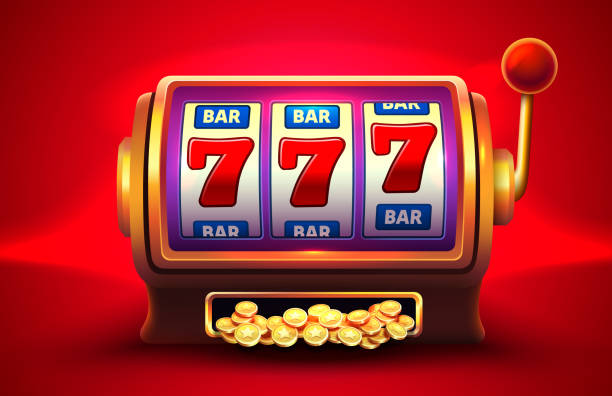
How does animation help a digital reel game connect its theme with the way it plays?
It gives movement to symbols, backgrounds, characters, buttons, and special features, so the visual idea and the game action feel like one complete experience.
Clear animation also helps players understand what is happening without needing long explanations. When movement matches the theme, every part of the screen feels more natural and easy to follow.
1. Symbol Animation Supports The Main Theme
Symbols are a major part of any reel game, and their movement can reflect the visual idea behind the screen. Animation gives each symbol a clear role while keeping its appearance easy to recognise. This helps theme and gameplay stay connected.
Symbol Reactions Match Their Visual Style
A symbol can glow, turn, expand, or move gently when it becomes part of an important result. The type of movement can match the theme, so every reaction feels suitable for the setting.
In a modern online link slot, special symbols can also use a distinct motion when they activate a feature. This makes the event easy to notice while giving the symbol more character.
2. Background Motion Strengthens The Setting
Animated backgrounds can make the theme feel active without taking attention away from the reels. Small movements can support the setting and give the screen more depth. The main play area can remain clear.
Moving Details Make The Setting Feel Complete
Clouds may move slowly, lights may shift, water may flow, or objects may move in the distance. These small effects help the background feel connected to the theme.
The movement can also change slightly during a feature. A brighter scene or added motion can show that the game has entered a new stage while keeping the same visual identity.
3. Character Animation Adds Story To Gameplay
Some reel games use characters to support the theme and give features more personality. Their movements can react to events on the reels and help connect the visual story with game actions. This gives each stage a clearer sense of purpose.
Character Reactions Mark Important Moments
A character may smile, point toward the reels, move an object, or react when a feature begins. These actions can help players notice important events without extra text.
The same character can use familiar reactions during similar moments. This creates a clear pattern and helps the theme stay consistent from one feature to another.
4. Reel Motion Can Match The Mood
The speed and style of reel movement can support the overall visual mood. Smooth timing helps every spin feel connected to the artwork and sound. Different motion styles can give different themes their own rhythm.
Spin Timing Shapes The Feel Of The Screen
A calm theme may use gentle reel movement, while a lively theme may use quicker motion. The start and stop of each spin can remain clear and easy to follow.
When reel timing matches the theme, the gameplay feels more connected to the visual setting. The movement becomes part of the overall style instead of feeling separate.
5. Feature Transitions Connect Different Stages
A game may move between regular rounds, bonus sections, changing layouts, or special visual scenes. Animation helps these stages connect smoothly. A clear transition shows that the screen is moving into another part of the experience.
Scene Changes Give Features Their Own Identity
A background can shift, a reel frame can move, or a new counter can appear when a feature starts. These changes make the new stage easy to recognise.
When the feature ends, another transition can return the regular layout. This keeps the whole sequence organised while making each stage feel related to the main theme.
6. Sound And Motion Can Work Together
Animation becomes more expressive when it matches music and sound effects. Reel stops, symbol movements, button taps, and feature changes can all have audio cues at the same moment. This connection gives the screen a clear rhythm.
Matching Timing Makes Events Feel Connected
A symbol glow can appear with a short sound, while a feature transition can include both movement and a music change. These combinations help important events stand out naturally.
The sound can stay balanced so the visual action remains clear. When audio and motion share the same timing, the theme feels more complete, and the gameplay becomes easier to follow.
7. Consistent Animation Creates A Unified Style
Consistency helps every part of the game feel related. Similar actions can use similar movement, timing, and visual signals throughout the experience. This creates a clear style that players can recognise quickly.
Familiar Motion Builds Visual Recognition
If a special symbol always uses the same glow or movement, players can learn that signal after a few rounds. The same idea can apply to characters, counters, buttons, and feature changes.
Repeated motion patterns help the theme and gameplay support each other. The screen feels organised because every reaction follows a familiar visual language.
Creators can also keep the same motion rules across different screen sizes. A symbol reaction that feels clear on a computer should remain easy to notice on a phone or tablet. The movement may scale with the layout, but its meaning can stay the same.
This gives players a familiar response even when the screen changes. It also helps the theme remain steady across devices. Small details such as timing, direction, and speed can carry the same visual idea from one feature to another. When these choices stay consistent, the game can keep its character while presenting each action in a simple way.
Conclusion
Animation connects theme and gameplay by giving visual ideas a clear role during each action. Symbol reactions, background motion, character movement, reel timing, feature transitions, sound, and repeated visual patterns can all work together.
When these elements follow the same style, the game feels lively, clear, and consistent. Each movement supports the theme while helping players understand the action across different devices.