
Production managers need reliable benchmarks when evaluating investments in Liquid Filling Equipment. A structured ROI review helps compare upfront equipment costs with long-term operational performance across Packaging Equipment lines.
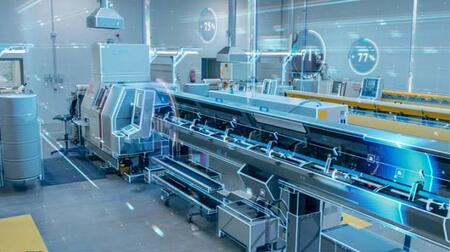
Rotary Equipment and integrated Conveyor Systems support more than production speed alone. These systems also contribute to cleaner operation, controlled product flow, and stable performance in regulated industries such as food, pharmaceutical, cosmetic, and nutraceutical manufacturing.
Accurate filling supports material control across large production runs by helping reduce unnecessary product giveaway. Automated systems also support faster changeovers, helping facilities maintain flexible production schedules while adapting to different SKUs and container formats.
Integrated Capper Machine systems help maintain steady throughput during packaging transitions involving different closures, labels, or product configurations.
Evaluating ROI begins with understanding the cost factors that influence Liquid Filling Equipment selection and long-term operational value.
Assessing Liquid Filling Equipment Costs
Equipment pricing varies significantly depending on filling method, automation level, throughput requirements, and system integration needs for liquid filling equipment for packaging.
- Manual Filling Systems: Manual filling systems generally involve lower initial investment and simpler mechanical construction with limited automation features.
- Semi-Automatic Equipment: Semi-automatic systems incorporate controlled filling functions and may include Conveyor Systems that support improved throughput and more consistent operation.
- Fully Automatic Lines: Fully automatic Packaging Equipment lines involve greater upfront investment due to integrated controls, multi-head configurations, and higher production capacity.
- Integrated System Features: Additional features such as programmable controls, stainless steel construction, and clean-in-place compatibility can influence overall equipment cost.
- Filling Technology Selection: Filling methods such as volumetric, overflow, or gravimetric filling affect both operational precision and total system investment.
Reviewing system speed, capacity, and integration requirements helps establish a more accurate equipment benchmark before installation planning begins.
Calculating ROI for Filling Machines
ROI evaluation starts with comparing operational savings against installation and maintenance costs over time.
- Labor Efficiency: Automated filling systems reduce repetitive manual tasks and support more consistent production flow across Packaging Equipment lines.
- Production Throughput: Automated Liquid Filling Equipment supports higher output consistency compared with manual processes, helping facilities maintain production schedules more efficiently.
- Material Control: Precision filling systems help reduce overfill and unnecessary product waste, supporting more stable material usage across long production runs.
Benchmarking ROI should include both immediate operational gains and long-term maintenance considerations.
Reducing Downtime to Support Productivity
Reducing downtime remains an important factor in overall Packaging Equipment ROI. Structured system design and maintenance access support long-term operational consistency.
- Simplified Cleaning Procedures: Clean-in-place compatibility and accessible components help support faster sanitation and product changeovers between runs.
- Durable Equipment Construction: Stainless steel frames and corrosion-resistant materials support long-term operation in regulated production environments.
- Integrated System Coordination: Well-aligned Conveyor Systems, fillers, and Capper Machine setups support smoother production flow with fewer interruptions.
- Accessible Maintenance Areas: Equipment designed for service access simplifies inspection, maintenance, and routine upkeep across production lines.
These operational efficiencies contribute to more stable throughput while helping facilities maintain production schedules.
Determining ROI for Liquid Filling
Equipment requires evaluating installation costs, throughput goals, maintenance planning, and long-term operational performance. Facilities often focus on repeatable filling accuracy, integrated system compatibility, and controlled sanitation procedures when benchmarking Packaging Equipment investments.
At GLOBALTEK®, we design Liquid Filling Equipment with stainless steel construction, UL-certified components, and integration-ready layouts that support regulated production environments. Our systems are made in the USA and engineered to align with Conveyor Systems, Rotary Equipment, and Capper Machine operations.
Integrated Packaging Equipment configurations help support efficient production flow, accessible maintenance, and adaptable floorplan layouts across changing production requirements.
ROI benchmarking should also include changeover efficiency, maintenance access, and long-term equipment durability. Facilities evaluating automated filling systems often prioritize operational consistency, sanitary construction, and scalable integration when planning future production growth.
GLOBALTEK® systems are engineered to support long-term Packaging Equipment performance across the food, pharmaceutical, cosmetic, and nutraceutical industries.
To learn more about GLOBALTEK® overflow filling solutions, visit:
https://www.globaltekconveyors.com/packaging-equipment/globaltek-fill-it-in-line-automatic-pressure-overflow-filler/