
For a long, long time, texting has been at the forefront of communication.
This includes everything from short text messages to commenting just an emoji on every recipe on Instagram.
However, there’s also a shift that has started to happen, and people are resorting to verbal communication over texting – more frequently than usual.
It is not just a nostalgic trend. There are real reasons why more people, especially younger generations, are choosing to call instead of type.
A Few Takeaways
- 57% of Americans report feeling lonely, even though they’re more digitally connected than ever. Younger generations (Gen Z and Millennials) report the highest levels. — Cigna’s Loneliness in America 2025 survey, based on over 7,500 U.S. adults.
- Hearing a loved one’s voice triggers oxytocin release (the bonding hormone), but texting the same person does not. Research cited by Unplugged, referencing studies on voice communication and brain chemistry.
- 62% of heavy texters report experiencing text message fatigue, which leads to reduced productivity. – Worldmetrics.org, Texting Statistics 2026 report.
- 33% of U.S. adults now experience loneliness at least once a week, up from 30% in 2024. Younger adults aged 18-34 are the most affected group. — American Psychiatric Association polling, January 2025.
1. Texting Fatigue Is Real
We’re constantly surrounded by Instagram captions, Slack messages, text messages, and group chats. People are spending hours staring at screens, carefully crafting responses, and waiting anxiously for replies.
This constant cycle of typing and reading has led to what many are now calling texting fatigue.
The novelty of instant messaging has worn off, and what once felt convenient now feels exhausting.
A five-minute phone call can replace a 30-message text thread, and more people are starting to realize that – which is why most singles prefer chat lines across the US.
2. Voice Carries What Text Cannot
And that is emotion, tone, and nuance.
One of the biggest limitations of texting is that it strips away what you want to emotionally convey.
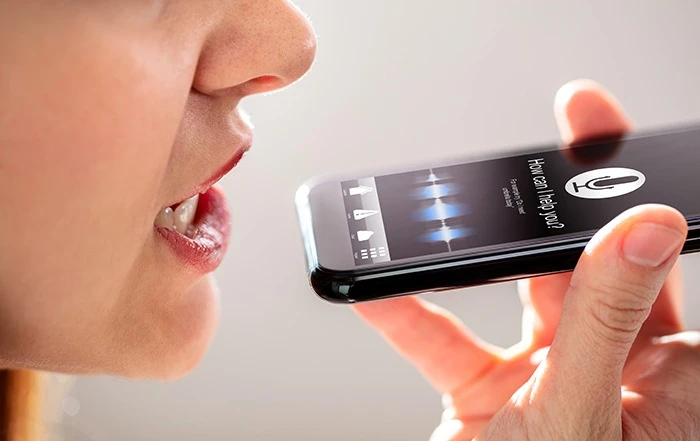
A message that was meant to be sarcastic reads as rude. A short reply that was sent in a hurry feels dismissive. Misunderstandings pile up because text alone cannot carry the full weight of what someone is trying to say.
Voice changes everything.
You can hear when someone is smiling. You can tell when they are upset, excited, or being playful.
A single laugh during a phone call communicates more warmth than a dozen laughing emojis ever could. People are starting to crave that richness in their conversations again, and voice calls deliver it effortlessly.
3. Loneliness Is Pushing People Back to Real Conversation
Social isolation has become one of the most talked-about issues in recent years.
Even though we’re connected above and beyond, it’s very common to feel disconnected and lonelier than previous generations.
Scrolling through feeds and exchanging texts creates an illusion of connection, but it rarely satisfies the deeper human need to actually talk to someone.
Voice calls offer something that texting simply cannot replicate. Hearing another person’s voice activates parts of the brain associated with trust, empathy, and emotional bonding. It feels more personal, more present, and more real.
This is partly why platforms built around voice interaction are gaining traction. Services like AmericaDialLine.com offer a ton of chat lines that let you meet people with all kinds of interests and from all over the USA.
The appeal is straightforward: pick up the phone, talk to someone, and feel a real connection. No curated profiles, no algorithms, just conversation.
4. Younger Generations Are Leading the Shift
There is a common assumption that younger people hate phone calls.
While that may have been true five years ago, the trend is shifting. Gen Z users have started embracing voice messages on platforms like iMessage and WhatsApp, treating them almost like micro phone calls. From there, the jump to actual voice calls is a short one.
Podcasts and audio content have also played a role.
Younger audiences have grown comfortable with the idea of listening to real people talk at length. That comfort translates naturally into a willingness to have real voice conversations themselves. The same generation that grew up on texting is now discovering that hearing a voice on the other end of the line feels better than reading words on a screen.
5. Voice Calls Demand Less, Not More
One of the surprising reasons voice calls are coming back is that they are actually easier than texting in many situations.
You do not have to think about punctuation, tone, or how your message might be interpreted. You just talk. For people who are tired of overthinking every text they send, a phone call is a relief.
Then there is also a time factor.
Complex conversations that would take 45 minutes of back-and-forth texting can be resolved in a few minutes on a call.
Busy professionals, remote workers, and people managing packed schedules are finding that calling is often the more efficient choice.
What This Means Going Forward
The comeback of voice calls does not mean texting is going away. It simply means people are finding a better balance. Text for quick updates and logistics. Voice for everything that matters. The conversations that build friendships, ease loneliness, and create real human connections are moving back to where they belong, in actual spoken words.
If you have not made a real phone call in a while, it might be worth trying. Call a friend, talk to a stranger on a chat line, or just pick up the phone the next time you are about to send a paragraph-long text. You might be surprised at how much better it feels to just talk.