
Mining operations subject equipment to some of the most punishing conditions on earth. Excavators, haul trucks, and dozers work around the clock, battling extreme dust, temperature fluctuations, and relentless heavy loads. At the heart of this demanding work sits the CAT C15 engine, a workhorse renowned for its reliability across global mining sites. Yet even this proven powerplant faces a critical challenge: maintaining peak performance and engine durability when confronted with abrasive environments, continuous high-load cycles, and the vibration inherent to mining work. When a diesel engine fails in a mining context, the consequences cascade rapidly—halted production, missed tonnage targets, expensive emergency repairs, and lost revenue that can reach tens of thousands of dollars per hour. This article provides a strategic guide for mining operators and maintenance teams focused on ensuring reliable operation of the CAT C15. By understanding the unique stresses of mining environments and implementing targeted maintenance protocols, operations can maximize serviceability, extend engine life, and achieve the consistent uptime that mining profitability demands.
Understanding the Demands: Why Mining Environments Challenge Diesel Engines
Mining sites present a perfect storm of destructive forces that test every component of heavy equipment powerplants. Dust infiltration stands as perhaps the most pervasive threat—fine silica particles act like microscopic sandpaper, working their way past seals and filters to score cylinder walls, contaminate lubricants, and clog air passages. Temperature extremes compound the challenge, with engines cycling from cold starts in freezing conditions to sustained operation under intense heat, causing thermal expansion cycles that stress gaskets, seals, and metal components. The relentless nature of mining work means engines rarely idle; they operate continuously under maximum load, hauling overburden, powering hydraulics, and climbing steep grades with payloads that push mechanical limits hour after hour. Vibration from rough terrain, constant starting and stopping, and the percussive nature of excavation work creates fatigue in mounting systems, fuel lines, and electrical connections. Each of these factors individually would challenge any diesel engine, but their combination in mining operations accelerates wear exponentially. Components that might last years in highway trucking can fail in months without proper protection. This harsh reality demands engines purpose-built for punishment—engines like the CAT C15, which incorporates heavy-duty architecture specifically engineered to withstand the abrasive environments and sustained high-load demands that define mining work, making engine durability not just a feature but an operational necessity.
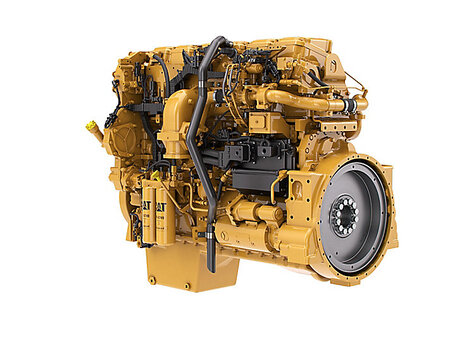
Core Pillars of CAT C15 Performance and Durability
The CAT C15’s reputation in mining stems from deliberate engineering choices that prioritize survival in brutal conditions. Every major system reflects decades of field feedback from operators who push equipment to its absolute limits.
Robust Construction and Materials
The foundation begins with a cast-iron cylinder block featuring reinforced webbing between cylinders, distributing combustion forces and resisting cracking under thermal cycling. A forged steel crankshaft—not cast—provides the fatigue resistance necessary for constant high-torque operation. Hardened valve train components, including stellite-faced exhaust valves, withstand the elevated temperatures generated during prolonged full-load hauling. These material choices translate directly to extended service intervals between major component replacements, a critical advantage when every hour of operation counts toward production targets.
Advanced Fuel and Air Management
Precision fuel delivery through electronically controlled injection systems ensures complete combustion across the engine’s operating range, maximizing energy extraction from every drop of diesel while minimizing harmful carbon buildup. The air-to-air aftercooled turbocharging system delivers dense intake charge even at altitude, maintaining power output while keeping exhaust gas temperatures within safe limits. This thermal discipline reduces stress on pistons, rings, and cylinder heads—components particularly vulnerable in continuous-duty mining applications where engines rarely see light loads.
Superior Filtration and Cooling Systems
Multi-stage air filtration with pre-cleaners and high-efficiency primary filters form the first defense against silica ingestion, protecting turbocharger compressor wheels and cylinder bores from abrasive damage. Fuel filtration removes particulates and water that would otherwise score injection components or cause corrosion. The cooling system employs oversized radiators and thermostatic controls that maintain consistent operating temperatures despite ambient extremes, preventing both overcooling during cold starts and overheating under sustained load. Regular coolant testing and replacement preserves corrosion inhibitors that protect aluminum heads and iron blocks from galvanic attack, a failure mode that can end an engine prematurely.
A Proactive Maintenance Framework for Reliable Operation
The engineering excellence built into the CAT C15 provides the foundation, but realizing its full potential in mining operations requires disciplined execution of a proactive maintenance strategy. Reactive maintenance—waiting for failures to occur—proves catastrophically expensive in mining contexts where every unplanned stoppage cascades into production losses. A structured preventive approach transforms maintenance from a cost center into a competitive advantage, directly addressing the operational need for consistent uptime and predictable performance.
Step 1: Adherence to Severe Service Schedules
Mining applications demand severe service intervals, not standard maintenance schedules. This means oil changes at 250-hour intervals rather than 500, air filter replacements based on differential pressure monitoring rather than calendar dates, and fuel filter changes every 500 hours minimum. Coolant system flushes should occur annually with complete replacement of extended-life coolant and supplemental coolant additive testing every 250 hours. Valve lash adjustments, critical for maintaining efficient combustion and preventing valve train damage, require checking every 2,000 hours. These compressed intervals may seem aggressive, but they directly counter the accelerated contamination and wear rates inherent to dusty, high-load mining work, preventing small issues from becoming catastrophic failures.
Step 2: Fluid Analysis as a Diagnostic Tool
Scheduled oil sampling transforms lubricant from a consumable into a diagnostic window. Analysis reveals wear metal concentrations—elevated iron indicates cylinder or bearing wear, aluminum points to piston degradation, copper suggests bushing problems. Fuel dilution percentages warn of injector issues before they cause cylinder washing. Coolant analysis detects glycol breakdown, contamination from combustion gases indicating head gasket failure, and depleted additive packages that leave the engine vulnerable to corrosion. Sampling every oil change interval creates trend data that predicts component life, enabling planned component replacement during scheduled downtime rather than emergency repairs during production shifts.
Step 3: Daily Operator Checks and Data Monitoring
Operators serve as the first line of defense through systematic pre-shift inspections. Checking engine oil level and condition, examining coolant level and color for contamination, inspecting belts for cracking or glazing, and scanning for fluid leaks takes ten minutes but catches problems early. Monitoring gauge readings during operation—oil pressure should remain steady, coolant temperature within the normal band, exhaust temperature consistent—reveals developing issues. Modern telematics systems alert maintenance teams to parameter deviations in real time, enabling intervention before minor anomalies become major failures.
Step 4: Strategic Parts and Fluid Selection
Genuine Cat parts and specified fluids represent insurance, not expense. Aftermarket filters may fit physically but lack the filtration efficiency and structural integrity to protect precision components under mining’s extreme conditions. Cat DEO oils meet specific viscosity and additive requirements that protect against soot-related wear and oxidation. Coolant formulations prevent cavitation erosion of cylinder liners. Using specified components ensures the maintenance program delivers the protection the engine’s design anticipates, preserving warranty coverage and maximizing component life between overhauls.
Enhancing Serviceability for Minimal Downtime
Engineering excellence means nothing if repairs consume days of production time. The CAT C15’s design philosophy extends beyond durability to encompass serviceability—the ability to diagnose problems quickly, access components efficiently, and complete repairs with minimal equipment downtime. Mining operations operate on tight schedules where every lost hour translates directly to missed tonnage and revenue shortfalls. Strategic investments in technician capability and maintenance infrastructure amplify the engine’s inherent design advantages.
Design Features for Easier Access
Caterpillar engineers positioned service points for accessibility rather than packaging convenience. Oil and fuel filters cluster on one side of the engine, enabling simultaneous replacement without repositioning equipment or technicians. Removable side panels provide clear access to injection systems and electronic controls. The modular valve cover design allows inspection of rocker assemblies without complete disassembly. Sight glasses for coolant level and magnetic drain plugs for capturing wear debris simplify routine checks. These thoughtful touches reduce wrench time significantly—a filter change that might take 45 minutes on poorly designed engines completes in 15 on the C15.
Investing in Technician Training and Tools
The most accessible engine proves difficult if technicians lack diagnostic capability. Caterpillar’s certified training programs teach systematic troubleshooting methodologies specific to C15 architecture, reducing guesswork and misdiagnosis. Cat Electronic Technician (ET) software transforms laptops into comprehensive diagnostic tools, reading fault codes, monitoring real-time parameters, and performing calibrations that once required factory specialists. The initial investment in training and software licensing returns multiples through accurate first-time repairs, reduced parts waste from incorrect diagnosis, and faster return to production. A trained technician with proper tools diagnoses a fuel system issue in an hour; an untrained one may chase symptoms for days.
Planning for Major Overhauls
Proactive monitoring through fluid analysis and hour meters enables predictive overhaul scheduling rather than reactive emergency rebuilds. When wear trends indicate approaching limits—typically between 12,000 and 18,000 hours depending on application severity—operations can schedule overhauls during planned maintenance windows or seasonal production lulls. Sourcing genuine Cat overhaul kits in advance ensures correct specifications and component compatibility. Coordinating with experienced rebuild shops or factory-trained technicians guarantees proper procedures, torque specifications, and clearances. Some operations also work with specialized diesel engine suppliers like GRT to source quality replacement components and technical support for comprehensive rebuilds. This planned approach transforms a potential week-long emergency into a scheduled three-day service event, protecting production commitments and controlling costs through competitive bidding rather than crisis pricing.
Strategic Maintenance for Mining Success
Maximizing engine durability in mining operations represents far more than routine maintenance—it constitutes a strategic investment that directly impacts profitability and competitive positioning. The CAT C15’s proven architecture provides the foundation, engineered specifically to withstand the abrasive environments, thermal extremes, and relentless high-load cycles that define mining work. Yet this inherent robustness reaches its full potential only when paired with disciplined execution: adherence to severe service maintenance schedules, systematic fluid analysis for predictive diagnostics, daily operator vigilance, and unwavering commitment to genuine parts and specified lubricants. This combination transforms maintenance from reactive firefighting into proactive asset management. The operational benefits manifest immediately—extended component life reduces cost per operating hour, predictable service intervals enable production planning without surprise interruptions, and enhanced serviceability minimizes downtime when repairs become necessary. For mining operations where equipment availability directly determines tonnage moved and revenue generated, this approach delivers measurable returns: fewer emergency repairs, lower total ownership costs, and most critically, the reliable operation that keeps production targets within reach shift after shift, year after year, in the demanding conditions where mining profitability is won or lost.