
Introduction
Pet nutrition has become a subject of deeper consideration as lifestyles evolve and living environments become increasingly urban. In cities, pets are often raised indoors, follow structured routines, and depend entirely on prepared diets for their nutritional needs. This context places greater responsibility on caregivers to understand what goes into pet food and how it supports daily health rather than viewing feeding as a purely habitual task. Nutrition now intersects with behaviour, digestion, immunity, and long term wellbeing.
Modern pet owners are exposed to a wide range of dietary options, each shaped by scientific research and manufacturing standards. While this variety allows for tailored feeding approaches, it also introduces complexity. Understanding how formulated diets are developed helps reduce confusion and encourages informed decision making. Rather than focusing on trends or surface level claims, attention shifts toward how nutrients function within the body over time.
In densely populated regions such as Hong Kong, reliable access to authentic pet food and accurate information supports stable feeding routines. Nutrition becomes part of a broader care framework that reflects both biological needs and environmental realities. Viewing pet food through this lens allows feeding decisions to be grounded in knowledge, consistency, and long term perspective.
The Shift Toward Science Based Pet Nutrition
The development of modern pet food reflects a broader shift toward science based animal care. Early commercial diets focused primarily on convenience, offering basic sustenance without extensive consideration of nutrient interaction or long term health outcomes. As veterinary research expanded, it became clear that animals require specific nutrient profiles to support digestion, immune function, and organ health. This understanding reshaped how diets were formulated.
Scientific research now informs ingredient selection, nutrient ratios, and processing methods. Proteins are evaluated for amino acid composition, fats for their role in energy and cellular health, and micronutrients for their contribution to metabolic processes. Rather than relying on generic formulations, diets are designed to meet defined physiological requirements. This precision reduces the risk of imbalance over time.
The shift toward science based nutrition also reflects changes in pet lifestyles. Indoor living, reduced activity, and controlled environments influence how nutrients are utilised. Diets must account for these factors to support healthy weight and metabolic stability. Science based formulation therefore connects biological needs with environmental context, creating diets that align more closely with real world living conditions.
Research Informed Diets and Feeding Consistency
Research informed diets are built on an understanding of how nutrients interact within the body over time. Feeding consistency allows these formulations to function as intended, supporting stable digestion and predictable energy levels. Rather than frequent changes, sustained use of a suitable diet helps the body adapt and utilise nutrients efficiently.
Scientific feeding guidelines provide a framework, but observation remains essential. Pets may respond differently based on age, metabolism, and environment. Monitoring physical indicators such as coat condition, stool quality, and overall vitality helps determine whether a diet aligns with individual needs. Adjustments are made gradually to maintain digestive comfort.
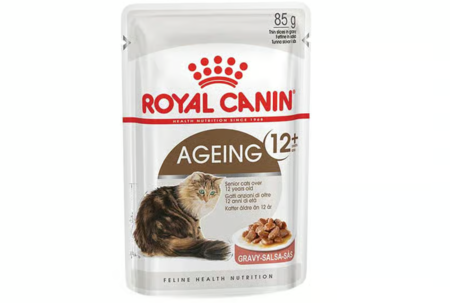
In urban settings, caregivers often rely on established formulations such as royal canin as part of structured feeding routines informed by research. These diets are typically selected based on life stage or specific requirements rather than short term trends. Consistent access and reliable information support this approach, allowing feeding decisions to remain stable and grounded in nutritional understanding rather than convenience alone.
How Nutritional Information Should Be Interpreted
Understanding nutritional information requires context and careful interpretation rather than quick comparison. Labels and feeding charts communicate intent, but their meaning becomes clearer when supported by basic nutritional literacy.
- Ingredient listings and formulation intent: Ingredients are listed by weight prior to processing. This does not always reflect the final nutrient contribution. Understanding formulation intent helps place ingredient order in context. Balanced evaluation prevents misinterpretation.
- Guaranteed analysis values: These values indicate minimums and maximums, not exact amounts. They serve regulatory purposes rather than full nutritional disclosure. Reading them alone can be misleading. Context improves understanding.
- Feeding guidelines as references: Guidelines provide starting points rather than strict rules. Individual needs vary based on lifestyle and metabolism. Observation supports adjustment. Flexibility ensures comfort.
- Terminology and definitions: Terms such as complete or balanced have defined meanings. They describe formulation standards rather than outcomes. Understanding definitions reduces confusion. Knowledge supports confidence.
In Hong Kong, established pet supply platforms such as PetChill, known for offering a wide range of authentic pet food and supplies alongside regularly updated informational content, help caregivers navigate nutritional labels with greater understanding. By combining product access with educational resources in a non promotional manner, such platforms support clearer interpretation of nutritional information without influencing choice.
Digestive Health as a Nutritional Foundation
Digestive health plays a central role in how effectively pets benefit from their diet. Nutrients must be broken down and absorbed efficiently to support bodily functions. Even a nutritionally complete food may underperform if digestibility is compromised. Ingredient quality, processing, and balance all influence digestive outcomes.
Proteins that are easily digestible support muscle maintenance and metabolic processes without placing strain on the gastrointestinal system. Fibre contributes to gut motility and microbial balance when included appropriately. Too much or too little fibre can disrupt digestion, highlighting the importance of formulation precision.
Fat digestibility influences energy availability and coat condition. Balanced fat sources provide sustained energy while supporting skin health. Carbohydrates, when included, must be processed to remain accessible to digestion. Digestive health therefore reflects the combined impact of formulation decisions rather than individual ingredients. Supporting digestion creates a foundation for consistent feeding and overall wellbeing.
Urban Living and Its Impact on Feeding Practices
Urban environments shape how pets eat, move, and rest. Limited space and predictable routines influence energy expenditure and behavioural patterns. Feeding practices must align with these realities to support balance and comfort. Nutrition often compensates for reduced environmental stimulation.
Structured feeding schedules support routine formation and digestive stability. Predictable meal times help regulate appetite and reduce stress. Diets designed for indoor lifestyles often consider lower activity levels while maintaining nutrient density. This balance helps manage weight without compromising health.
Access to consistent supply also matters in urban settings. Sudden diet changes caused by availability issues can disrupt digestion. In Hong Kong, established pet supply networks provide wide coverage and consistent access across districts. This reliability supports feeding continuity, allowing caregivers to focus on observation and care rather than logistical challenges.
Evaluating Diet Suitability Over Time
Diet suitability should be reviewed periodically as pets age and lifestyles change. Evaluation relies on observation rather than assumption, ensuring ongoing alignment with needs.
- Physical condition and appearance: Coat texture and body condition reflect nutritional adequacy. Changes may indicate imbalance. Observation provides early insight. Adjustments can be gradual.
- Digestive consistency: Stool quality and frequency signal digestive response. Stability suggests compatibility. Disruption may require review. Monitoring supports comfort.
- Energy and behaviour: Energy levels reflect metabolic balance. Excess or lethargy may indicate mismatch. Behaviour provides clues. Nutrition influences daily rhythms.
- Life stage transitions: Nutritional needs evolve with age. Gradual transitions support adaptation. Planning reduces stress. Consistency remains important.
Some Hong Kong based pet supply platforms support this evaluation process by providing access to varied formulations and informational guidance that explains life stage changes without promotional pressure.
Ingredient Quality and Safety Standards
Ingredient quality influences both nutritional value and safety. High quality ingredients provide predictable nutrient profiles and reduce the risk of digestive upset. Clear sourcing and processing standards contribute to consistency. For pets, reliability supports long term stability.
Safety standards govern how ingredients are sourced, stored, and processed. These standards protect against contamination and degradation. For pets consuming the same diet daily, consistency matters more than novelty. Quality control reduces unnecessary variability.
Storage and handling also affect ingredient integrity. Exposure to moisture or heat can degrade sensitive nutrients. Understanding these factors highlights the importance of reliable supply chains. Ingredient quality therefore extends beyond formulation to include how food reaches the caregiver.
Information Access and Caregiver Confidence
Access to accurate information supports confident feeding decisions. Many caregivers seek guidance on portion sizes, transitions, and interpreting nutritional claims. Educational content helps bridge the gap between scientific research and everyday practice.
In Hong Kong, some pet supply platforms integrate informational articles discussing nutrition, feeding routines, and pet behaviour. These resources explain concepts rather than directing choices. This approach supports learning without persuasion.
When caregivers understand why recommendations exist, they are better equipped to follow them consistently. Information access complements veterinary guidance rather than replacing it. Together, they support informed and stable care practices.
Nutrition as a Long Term Commitment
Nutrition functions as a continuous process rather than a single decision. Feeding routines established early influence digestive tolerance, metabolic health, and behaviour over time. Long term commitment involves observation, adjustment, and consistency.
Planning ahead supports smoother transitions between life stages. Gradual dietary changes reduce stress and digestive disruption. Understanding how nutritional needs evolve allows caregivers to adapt proactively.
Access to a broad range of age appropriate options supports this long term view. When nutrition is approached as an ongoing responsibility, it becomes an integral part of overall care rather than a routine task.
Conclusion
Pet nutrition plays a central role in supporting health, behaviour, and longevity, particularly within modern urban environments. Understanding how formulated diets are developed and evaluated allows caregivers to move beyond surface level choices toward more informed feeding routines. From digestive stability to energy balance, nutrition influences daily wellbeing in measurable and meaningful ways.
In Hong Kong, access to authentic products and reliable information supports consistency in feeding practices. Established pet supply platforms such as PetChill, which operates both online and offline and offers a broad selection of genuine pet food and supplies, contribute by providing educational context alongside product availability. By maintaining regularly updated informational content and a wide product range, such platforms help caregivers understand nutritional principles without attempting to persuade or promote specific outcomes.
By viewing nutrition as a long term commitment shaped by observation, knowledge, and individual needs, caregivers can support balanced development and sustained wellbeing. Feeding then becomes part of a thoughtful care framework grounded in understanding and stability rather than convenience, reinforcing the role of nutrition as an ongoing element of responsible pet care.