
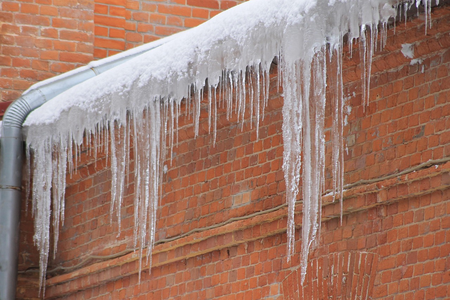
Snow in northern Colorado looks pretty from the street, but it can be rough on your roof. When snow melts, refreezes, and creeps under shingles, you get ice dams, leaks, and stained ceilings. If you understand how Fort Collins roofing professionals react to long, cold winters, you can stop a lot of damage before it starts and keep your home warm, dry, and comfortable all season long.
Why Fort Collins Residents Needs Special Winter Planning
Fort Collins gets a mix of big snowstorms, bright sunny days, and quick temperature swings. That constant freeze and thaw cycle is tough on shingles, flashing, and gutters. Fort Collins roofing needs extra attention because small cracks and loose nails can turn into major leaks once snow sits on the roof for weeks. Planning ahead means fewer emergency calls, less stress, and a roof that actually lasts as long as it should.
Early Warning Signs Your Roof Is At Risk
You do not need to be an expert to spot early trouble on a winter roof. Look for long, heavy icicles along the gutter line, uneven snow patterns, or bare patches where heat escapes. Inside, check upper rooms and the attic for cold drafts, dark stains, or damp insulation. Fort Collins roofing that shows these small warning signs now is more likely to develop bigger leaks once the next deep freeze or heavy storm hits.
Core Strategies To Prevent Ice Dams and Leaks
Stopping ice dams is not about one single product, it is about the whole system. You want your attic to stay cold, your roof deck to heat evenly, and your gutters to move meltwater away. When insulation, ventilation, and water protection work together, the roof holds up much better against heavy snow. The steps below are simple to understand and can be planned out in stages if your budget is tight.
Upgrade Attic Insulation For Even Temperatures
A warm house and a cold roof is the basic goal in winter. Good attic insulation keeps heat inside living spaces instead of letting it drift up and warm the roof deck. Many older Fort Collins roofing systems sit over thin or patchy insulation, so snow melts in strange patterns and feeds ice dams. Adding the right amount of insulation, especially over problem areas, keeps indoor comfort up and energy bills down at the same time.
Improve Attic Ventilation To Reduce Heat Build Up
Even with good insulation, attics still need fresh air. Proper ventilation moves warm, moist air out of the attic so it cannot overheat the roof deck. Balanced intake and exhaust vents help Fort Collins roofing stay closer to the outside temperature, which slows snow melt and reduces ice dam risk. A roofer can check if soffit vents are blocked, if ridge vents are enough, and if your attic is trapping more heat than it should.
Seal Attic Air Leaks Before Snow Season
Air leaks are sneaky. Warm air slips through tiny gaps around lights, ducts, chimneys, and attic hatches. That warm air collects under the roof deck and melts snow in specific spots. With many older setups, air sealing brings fast results. Simple fixes like foam, caulk, and weatherstripping cut down on heat loss. When you combine air sealing with insulation and better airflow, your roof stays cooler, more stable, and much less leaky.
Clean and Maintain Gutters and Downspouts
Gutters are easy to ignore until they cause trouble. When gutters fill with leaves and grit, meltwater has nowhere to go and starts to pool and freeze. That extra ice adds weight and makes ice dams worse. Before winter, homeowners with Fort Collins roofing should clear gutters, check for sagging sections, and make sure downspouts drain away from the house. In tough spots, gutter guards or heat cables can help keep water moving during big storms.
Use Ice and Water Shield On Vulnerable Areas
Ice and water shield is a sticky, waterproof layer that sits under the shingles. It is made to protect areas where leaks usually start, such as eaves, valleys, and low slope sections. On many newer Fort Collins roofing projects, this membrane is part of the normal build because it blocks backed up water from reaching the wood deck. If your roof has a history of ice dams, adding this material can make a big difference next winter.
Winter Maintenance Checklist
A little seasonal care goes a long way. Before the first heavy snow, schedule an inspection, clean the gutters, and look for missing or cracked shingles. During winter, use a roof rake from the ground to gently remove extra snow at the edges, especially if your home has had ice dams in the past. Homeowners should avoid metal shovels, pressure washers, and harsh chemicals that can damage shingles or protective membranes.
Best Roofing Materials For Snowy Winters
The right material can make winter care easier. Many homeowners use asphalt shingles with strong underlayment for a good balance of cost and performance. Others pick metal roofs that shed snow more quickly and handle ice better on certain shapes. Composite and synthetic options can also work well on Fort Collins roofing when matched to the roof pitch. The key is combining solid materials with proper installation, attic insulation, and good water drainage.
Final Thoughts – Stay Ready for The Next Winter
Cold, snowy seasons do not have to mean constant roof trouble. When you understand how heat, snow, and water move around your home, you can shape a smarter plan for your roof. Focus on the basics, like insulation, ventilation, air sealing, and clean gutters, and your roof can handle much more winter stress. Add strong underlayment and the right materials in key spots, and you have a solid defense against ice dams. With a little planning and help from local experts, your Fort Collins roofing can stay ready for the next storm instead of giving you another surprise leak.