
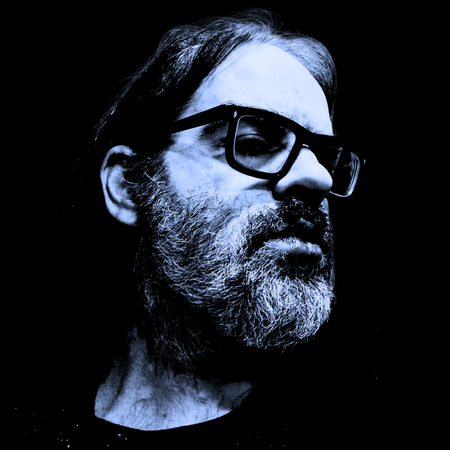
James Moore is a respected music industry author, musician, and publicist who has spent more than a decade helping independent artists gain meaningful exposure through authentic storytelling and strategic promotion. As the founder of Music With Depth PR, Moore has built a reputation for championing artists who create original, thought-provoking music rather than chasing trends or algorithms. Founded in 2011, Music With Depth PR is a musician-run agency dedicated to securing lasting media coverage, interviews, playlist placements, and promotional opportunities that help artists grow their careers while staying true to their creative vision.
– What inspired you to launch Music With Depth PR, and how does it differ from traditional music publicity companies?
Music With Depth PR was originally Independent Music Promotions (est 2011), but the ethos is the same. The tagline has always been ‘Music Marketing and PR for Music With Depth Worldwide’. We are different because of myself being a lifelong artist. I have written and recorded bold, uncompromising and original music for 30 years now and have released 15 albums. I am a music obsessive, professional writer and award-winning musician with a strictly art-first mentality. I know from being on this side of the industry that integrity, artist philosophy and mythos matters more than mainstream branding or influencer techniques. I know what connects and what should be projected to the public when it comes to art, which is the human element and the essential question ‘why is this essential?’
I was inspired to start an agency of my own after receiving disappointing results from a PR company for one of my albums that I was very proud of. They landed 3 features. I turned around and landed over 50.
– Music With Depth emphasizes an art and story-first approach. Why is storytelling so important in today’s music industry?
It’s critical because we are under fire from plagiarism under the guise of helpful new technologies, shortcuts that demean and ruin output and waste connection opportunities. We are told that our human stories are no longer important, and that if we just give up and allow automation to handle our stories, it will be much better. This is patently false.
– As a lifelong musician yourself, how does your experience with Post Death Soundtrack influence the way you work with artists?
It affects it greatly. First of all, I live and die for my art, so I bring a level of seriousness to my work that most PR agencies simply cannot if they haven’t walked the walk. I also frequently test promotion techniques and new conections with Post Death Soundtrack, then utilize the ones that prove to be effective in my promotion campaigns. It’s all about step by step verifying and testing what actually works.
– You’ve spoken out against “AI slop” in music marketing. What role do you believe authentic human storytelling plays in an increasingly automated industry?
It means everything. AI slop is a form of propaganda and I have never met anyone who genuinely gets much out of it or enjoys it. It’s peddled to us aggressively right now because the tech companies are in massive debt over it and attempting to have us pay for that debt. Oliver Tree tragically passed away recently. I’ve heard deeply moving stories about his life and music from many sources, and they have rallied my spirit, changed my life even. On the contrary, I have not seen a single thing from AI on the same topic worth a glance. Real beats false every time with no questions or arguments. Kee the faith, musicians!
– How has the music PR landscape changed since you first entered the industry, and what trends are you watching closely?
There are many more feedback loops, from TikTok and Instagram influencers to Youtube reaction videos, as well as DIY-styled communities like Bandcamp offering a model more akin to an online record shop. Also, the way social media is progressing, raw performance videos and behind-the-scenes content as well as song meaning videos are art-first methods of expanding an artist’s personal brand. Pristine quality matters less, as people do thirst for what is genuine and real.
https://www.instagram.com/musicwithdepthpr/
https://www.facebook.com/musicwithdepthpr
– Your book Your Band Is A Virus has become a respected resource for independent musicians. What are some of the key lessons from the book that remain relevant today?
The emphasis on practical marketing and a step-by-step approach rings true today. Artists are still plagued by mountain thinking, as in, wanting to skip all the necessary small steps and just launch themselves to the destination without walking the path, or full-on option paralysis.
– You often emphasize long-term online authority rather than short-term publicity wins. Why should artists think beyond immediate exposure?
Immediate exposure is very much like playlisting. You get added somewhere, see a short burst of exposure, and then it disappears from the internet with no lasting social proof and nothing to be used for further progress. Real press coverage, podcast features and interviews, radio playlist adds that are posted on social media, etc, all provide permanent social proof, so they are far superior in my eyes. They can also be used as ammunition for the artist’s long-term growth. They can be used in advertisements, in your press section and artist biography, as well as quoted when reaching out to festivals and venues or other industry opportunities. They become part of your story. Playlists or botted number boosts provide no story and vanish as soon as they appear.
– What separates a successful PR campaign from one that simply generates a temporary spike in attention?
A successful campaign provides a long list of permanent coverage and social proof, thereby giving ample ammunition for the artist to put to work on their path.
– Music With Depth works with artists across a variety of genres. Are there common storytelling elements that resonate regardless of musical style?
Yes. I’m a very open and eclectic music listener so I often am turned onto new, bold expressions and it is always expanding. This helps give me a deep appreciation and respect for many subgenres and types of art. All music is human story, from tribal, spiritually charged and culturally rich world music to psychedelic rock, acid jazz, ambient new age, heavy metal and occult expressions, anarchist and counter-culture punk and goth rock, subversive, sensual alternative pop and electro, raw blues and soul, and heavy trap, gangster rap and conscious hip hop. The common thread is storytelling and truth telling from different walks of life, and it’s the same with great film. The more we engage and delve in, the more we realize that humans all have these similarities, and we are given the blessing of deeply relating to each other through these mediums.
– You’ve been featured in major industry outlets including ASCAP, Sonicbids, Bandzoogle, and The Huffington Post. What has been the most important lesson you’ve learned from being both a publicist and a thought leader?
As Migos once said ‘Walk it like I talk it’. I’m always learning and take on a practical, no-nonsense approach, so my message is consistent. But I keep learning and expanding around this core element.
– Many PR firms are using AI for content creation and outreach. What tasks, if any, does Music With Depth PR use AI to assist with, and which tasks will always remain human-led?
I am not against AI as a blanket statement in every form. Not at all. It can be very useful for research, analytics and finding things such as advertising targeting opportunities. It’s also very useful in organizing workflow and contributing to technological, medical and scientific advancement. For music, I think it can be useful in helping to determine optimal advertising strategies and finding what will be most effective for an artist. The creative writing and communication with the industry will always need to be human, for me personally.
– How do you ensure that artist stories remain authentic and personal in an era when AI can generate press releases, bios, and promotional content in seconds?
There is only one way to do that. Have a passionate and professional human being write the press release, bio and promotional content. Reason being, many people can tell if something is AI, even if you feel a bit snarky and want to peddle the opposite perspective – you are actually wrong. Many professionals are very sensitive to AI content, and you may get ridiculed or rejected if you choose to use it for those purposes.
– Do you see AI as a threat to music publicity, an opportunity, or simply another tool that needs to be used responsibly?
It’s an opportunity for me, not a threat, because now it has become novel to actually put effort into the process and deliver human work. I’d prefer everyone but me take shortcuts and fuction 100% AI, to the point where musicians are sick of trying to deal with chat bots to solve simple problems, and are sick of no context, no story, no understanding, subpar results because there is nobody home….and then come to me.
– Your company promotes long-term authority building through meaningful media coverage. Can AI play a role in that process, or does it risk undermining the authenticity required to earn lasting trust?
It can’t really play a role in that process because the writing needs to be human – period.
– As someone who has been a thought leader in music marketing for years, what advice would you give artists who are tempted to rely heavily on AI-generated content to promote their careers?
Just act as you would have 5 years ago. We are undergoing a brief propaganda period and this is much ado.
– What are the biggest misconceptions artists have about using AI in music marketing and public relations today?
Thinking it will connect.
– Can AI help independent artists compete more effectively, or does genuine human storytelling still provide the strongest competitive advantage in music PR?
Storytelling will always win out.