
Luxury has always reflected the values of its time. For years, status was often communicated through visibility. Designer logos appeared on everything from handbags to sneakers, turning fashion into a language of instant recognition. Yet in recent years, a different idea has gained momentum. Instead of displaying wealth through obvious branding, many style-conscious individuals have begun gravitating toward objects that reveal their quality more subtly.
This shift is often described as quiet luxury. While the term has become fashionable, the philosophy behind it is much older than any trend. At its core, quiet luxury is about appreciation for craftsmanship, thoughtful design, and materials that improve with age. It favors pieces that do not demand attention but earn it through their construction and longevity.
The dip in the hype cycle: Why logos lost their cool
Fashion tends to move in cycles. When one aesthetic dominates for too long, a reaction usually follows. The era of oversized logos and highly visible branding eventually reached a point of saturation. What once felt exclusive became commonplace, and the desire for distinction began to take a different form.
Today, many people no longer view luxury as something that needs to be announced. In fact, obvious branding can sometimes feel predictable. The modern appeal of quiet luxury lies in its restraint. It values discretion over display and confidence over validation.
This does not mean consumers have lost interest in quality or style. Quite the opposite. The focus has simply shifted from recognizable labels to the details that make a product exceptional. A perfectly tailored coat, a beautifully finished leather bag, or a pair of boots built to last for years communicates something far more personal than a visible logo ever could. This preference for craftsmanship can be seen in the growing appreciation for understated makers like Marcel Robert, a French leather brand known for emphasizing quality materials and timeless design over conspicuous branding.
The appeal is partly cultural. In an age when trends spread instantly through social media, subtlety has become a form of individuality. People increasingly want their wardrobes to reflect their own judgment rather than a marketing campaign. They seek items that feel authentic, not because everyone recognizes them, but because they genuinely appreciate how they are made.
The new status signal: Natural leather and the beauty of aging well
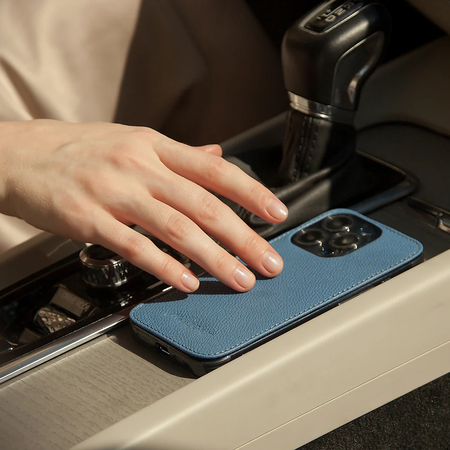
Few materials illustrate the principles of quiet luxury better than natural leather.
Unlike synthetic alternatives designed to remain unchanged, high-quality leather evolves over time. It develops a richer appearance through use, adapting to the habits and routines of its owner. Small marks, changes in tone, and softened edges become part of the story rather than imperfections to hide.
For many enthusiasts, this transformation is precisely what makes leather appealing. A well-crafted leather accessory gains character with age. The object becomes more personal with every year of use.
The attraction extends beyond appearance. Natural leather offers a sensory experience that modern materials often struggle to replicate. The texture, weight, and scent contribute to a feeling of authenticity. These qualities remind us that true luxury is often something we experience through touch rather than sight.
This mindset explains why many consumers are moving away from disposable accessories and toward products built to accompany them for decades. They are not searching for items that look perfect on the day of purchase. They are looking for pieces that will still feel relevant years later.
A number of smaller makers embody this philosophy by focusing on traditional craftsmanship instead of aggressive branding. One example is Marcel Robert, a French leather brand known for its understated approach to design.
Beyond the runway: How forever pieces shape everyday style
The influence of quiet luxury extends far beyond fashion editorials and designer showrooms. Its principles increasingly shape everyday wardrobes.
Instead of constantly chasing new trends, many people are building collections of reliable essentials. These pieces are chosen because they perform well, age gracefully, and remain versatile across different seasons and situations.
A structured wool coat, a pair of durable leather boots, a well-made knit sweater, or a carefully crafted leather briefcase may not attract immediate attention. Yet these are often the items worn most frequently and appreciated most deeply.
The concept of a “forever piece” has become central to this way of thinking. Such items are not purchased for a single season.
The anti-fast-fashion pledge: Buying better instead of buying more
The rise of quiet luxury is closely connected to growing fatigue with fast fashion.
For years, consumers were encouraged to view clothing and accessories as temporary. New collections arrived constantly, creating pressure to replace perfectly functional items with newer versions. While this cycle delivered variety, it also encouraged short-term thinking.
Quiet luxury challenges that mindset. It asks a simple question: what if the best purchase is the one you do not need to replace?
This perspective changes how people evaluate value. A carefully crafted item may require a larger initial investment, but it often rewards patience through durability and long-term satisfaction. More importantly, it eliminates the frustration of repeatedly replacing products that wear out too quickly.
There is also an emotional aspect to ownership. People tend to form stronger connections with objects that accompany them through significant periods of life. A leather bag carried for a decade or a jacket worn through countless seasons becomes more than an accessory. It becomes part of a personal history.
Choosing longevity over constant replacement is not merely a purchasing decision. It reflects a broader preference for permanence in a culture that often prioritizes speed.