
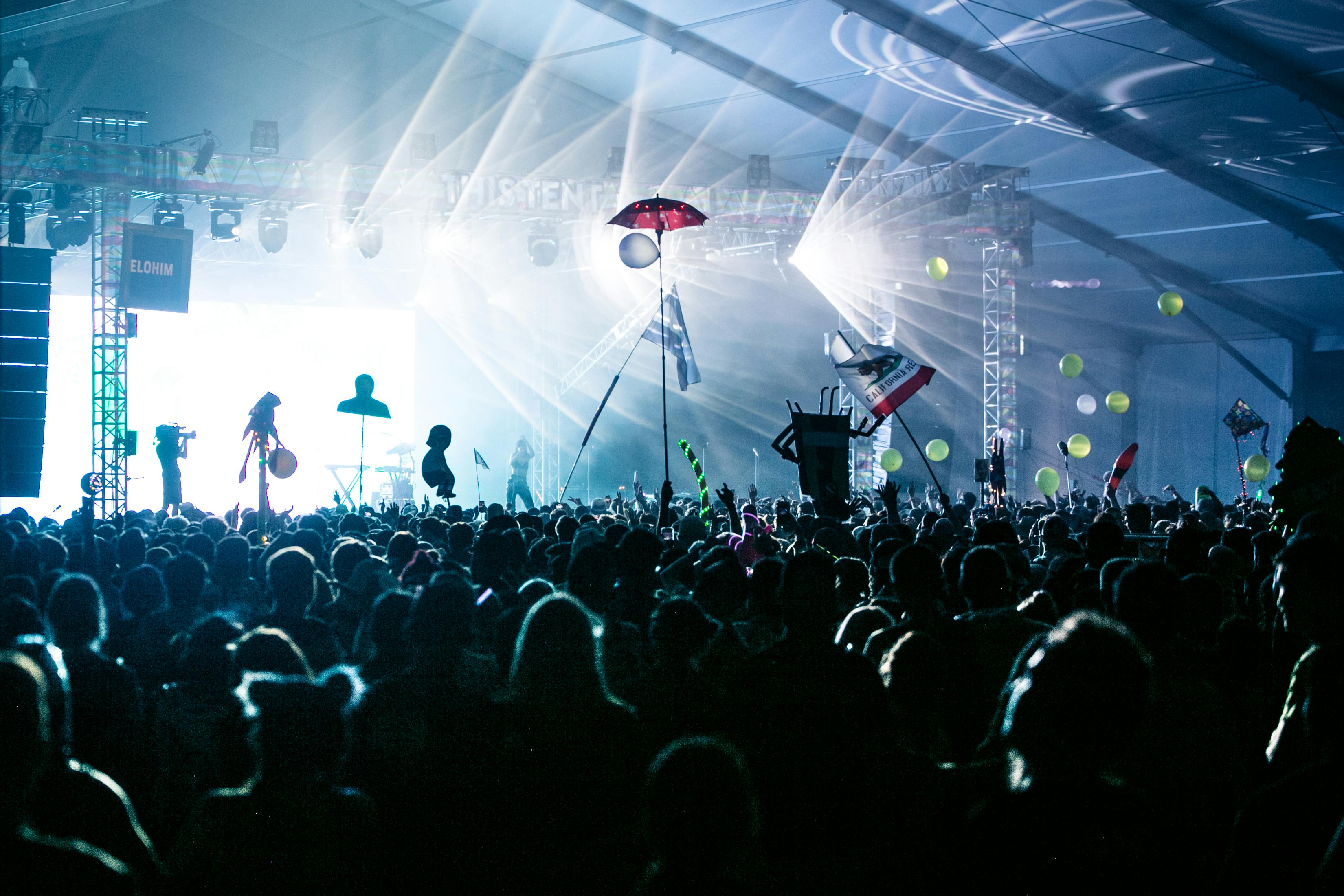
Pop concerts have changed. They run on tight pacing, sharp visuals, and audience participation that feels constant. A good show moves in waves, it builds anticipation, hits a peak, then resets before the next moment lands. Online casinos have taken notes. Many platforms now operate less like static game libraries and more like entertainment systems that guide attention, manage tempo, and keep the experience feeling “live,” even when a player is alone with a phone.
That shift explains why the concert comparison keeps making sense for product teams, designers, and marketers. The goal is rarely in a single feature. It lies in the overall rhythm.
Entertainment Value as a Product Requirement
Online casino play has always carried an entertainment promise, yet modern platforms treat that promise like a core design constraint. The interface has to feel active, the transitions have to feel intentional, and the experience has to hold attention between outcomes. That’s where concert thinking comes in, because concerts solve the same problem under pressure. They turn waiting into momentum.
A platform like Jackpot City is a great example because it reflects a broader approach across the category, curated lobbies, strong theming, and presentation that frames play as a night-out experience rather than a menu of options. The point is not loudness. The point is direction. Entertainment design gives players a reason to stay engaged, even when the next moment takes a second to arrive.
Stagecraft, Visual Tempo, and the Digital “Setlist”
Concert stagecraft looks effortless when it works. In reality, it depends on cues, scene changes, and controlled bursts of intensity. Online casino UX borrows that logic through motion, layout, and sequencing. The lobby becomes the venue entrance. The featured carousel becomes the opening act. Game tiles and banners act like a setlist, guiding the next click without forcing it.
Design teams lean on pace in small ways that add up. Micro-animations signal that something is happening. Highlights direct the eye. Short, purposeful sounds mark transitions. Even the way a platform groups games can mimic a concert’s structure, warm-up energy first, then higher intensity options once the user commits to the session.
Common “concert-inspired” pacing moves show up in patterns like these:
- Rotating featured drops that refresh the homepage energy without changing the whole layout
- Themed event windows that create a clear start and end, which makes participation feel time-bound
These tactics work because they reduce choice fatigue while keeping the experience in motion.
Live-Stream Culture and Celebrity-Style Presentation
Pop concerts also train audiences to expect a live layer, a host voice, real-time reactions, and a sense of shared presence. Online casinos pull from that playbook through live dealer formats, streamer-style hosting, and studio production that feels closer to broadcast than to software. Cameras, lighting, dealer performance, and chat moderation turn a single table into a show with a repeatable format.
This is where music culture matters. Audiences already understand how to “hang out” around a performer, whether that performer stands on a stage or on a stream. Platforms lean into that learned behavior. They add chat, quick reactions, and community prompts that make sessions feel social without demanding deep conversation. They also lean into recognisable personalities, sometimes through official brand ambassadors, other times through influencer partnerships that borrow credibility from nightlife and pop culture scenes.
Reward Systems That Resemble Fan Culture
Concerts run on more than music. They run on belonging. Fans collect moments, chase limited releases, and talk about what they witnessed. Online casinos translate that into loyalty systems, timed challenges, and progression mechanics that feel familiar to anyone who follows tours, drops, or exclusive access models.
The mechanics often look simple on the surface, yet they rely on careful behavioral design. Platforms use streaks and milestones to encourage return visits. They frame rewards as status and access rather than as pure utility. They build rituals around events, leaderboards, or seasonal themes so players feel they showed up for something that happened “right now,” not something that is there every day.
The concert analogy helps explain why this works. Rewards feel stronger when they connect to identity and timing. A “limited” moment changes behavior because it feels like a shared cultural beat.
The Global iGaming Industry and Market
This concert-inspired approach also reflects where the iGaming industry resides globally. Competition has expanded across regions, and many brands now fight for attention in crowded digital spaces where users can switch experiences in seconds. Regulation and market structure vary widely, yet one trend travels well across borders: platforms that deliver a polished entertainment layer tend to stand out.
That does not happen by accident. Studios invest in production, UX teams invest in flow, and marketing teams invest in cultural relevance. Pop culture provides a shared language that crosses markets, which makes it valuable when platforms need a concept that travels. The concert model delivers a template for how to package excitement into a repeatable format without relying on novelty alone.