
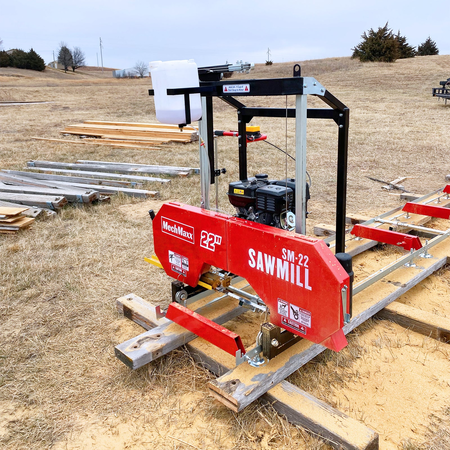
Working with raw logs has always required patience, planning, and the right tools. For many builders, farmers, and woodworkers, the ability to cut lumber on-site brings both freedom and efficiency. Instead of transporting heavy logs to a mill, the work can be done where the wood is found, saving time and reducing waste.
This is where a portable sawmill becomes valuable. It allows users to turn logs into usable boards and beams with control and consistency. Whether for personal projects or regular work, portable milling offers a practical way to manage wood from start to finish.
What a Portable Sawmill Really Is
A portable sawmill is a mobile machine designed to cut logs into lumber at the job site. Unlike fixed sawmills, it can be moved to different locations, making it suitable for forests, farms, and remote work areas.
The machine supports the log on a track while a cutting head moves through the wood in a straight, controlled path. This setup helps produce even boards with predictable results. Because of its mobility and simple operation, a portable sawmill is often used by people who need flexibility without depending on large industrial facilities.
In practical terms, it gives users direct control over how their lumber is cut, sized, and used.
Understanding Sawmills for Sale and How They’re Used
When people look at sawmills for sale, they are usually thinking beyond machines and focusing on independence. Owning a sawmill means controlling how wood is processed, when it is cut, and how it is used. This matters for users who work with logs regularly and want predictable results without relying on third parties.
Portable sawmills are commonly used in situations where flexibility is important. They allow work to happen close to the source, which reduces handling and keeps material waste low.
In real use, owners rely on sawmills for:
- On-site lumber cutting without transport delays
- Custom board sizes for specific projects
- Efficient use of logs that would otherwise go unused
This makes portable sawmills practical tools rather than occasional equipment.
Core Components That Make a Sawmill Work
Every sawmill, regardless of size, depends on a few key components working together smoothly. Understanding these parts helps users operate the machine more confidently and maintain consistent cutting quality.
Main Sawmill Components and Their Roles
| Component | Purpose |
| Frame and track | Supports the log and guides straight cuts |
| Cutting head | Holds and moves the blade through the wood |
| Blade system | Performs the actual cutting |
| Log clamps | Keep the log stable during operation |
When these components are properly aligned and maintained, the sawmill produces clean, even lumber with minimal effort.
The Role of Sawmill Blades in Cutting Quality
The quality of a cut depends heavily on the blade. Even a well-built sawmill cannot perform properly if the blade is worn or poorly maintained. Good blades cut smoothly, keep lines straight, and reduce strain on the machine.
Sawmill blades are designed to handle different wood types and cutting conditions. Sharpness, alignment, and regular inspection all play a role in consistent results. When blades are cared for properly, they help produce cleaner lumber, reduce waste, and make the milling process more efficient overall.
Typical Jobs a Portable Sawmill Can Handle
A portable sawmill is used in many practical situations, from small personal projects to regular working operations. Its flexibility allows users to process wood exactly as needed.
| Job Type | Typical Use |
| Custom lumber cutting | Boards and beams cut to size |
| Farm and rural work | Fence planks, barn wood |
| Construction preparation | Structural lumber |
| Woodworking supply | Raw material for projects |
This range of uses shows why portable sawmills are valued tools for anyone working directly with logs and lumber.
Choosing the Right Sawmill Setup Without Guesswork
Selecting a sawmill is less about chasing specifications and more about understanding how you plan to work. The right setup fits naturally into your routine instead of forcing you to adapt your workflow around the machine.
A few practical considerations usually guide the decision:
- The size and type of logs you handle most often
- How frequently you plan to mill lumber
- The space available for setup and operation
- Your comfort level with hands-on adjustments
When these points are clear, the choice becomes simpler. A well-matched sawmill feels steady in use and produces consistent results without unnecessary effort.
Care, Blade Management, and Long-Term Use
A portable sawmill performs best when it is treated as a precision tool rather than just heavy equipment. Regular cleaning keeps sawdust from building up around moving parts, while simple checks help maintain alignment over time. These small habits prevent uneven cuts and reduce strain on the machine.
Blade care deserves special attention. Keeping blades clean, properly tensioned, and sharpened at the right time has a direct impact on cutting quality. When blades are managed well, cuts stay straight, the milling process feels smoother, and both the machine and the operator work more efficiently over the long term.
Closing Thoughts
A portable sawmill offers more than the ability to cut wood. It provides control over materials, flexibility in how projects are planned, and independence from off-site processing. From custom boards to practical farm and construction work, portable milling turns raw logs into usable lumber with purpose and precision.
With the right setup and consistent care, a sawmill becomes a reliable part of the workflow rather than a temporary solution. For those who work closely with wood, it is a tool that rewards patience, attention, and long-term use.