
Dropshipping is traditionally regarded as a low–entry-barrier e-commerce model in which the seller does not maintain proprietary inventory but delegates storage, order fulfillment, and delivery functions to a supplier. Within this model, the entrepreneur concentrates on shaping the product offering, attracting customers, and managing transactions, while warehousing and logistics operations remain outside the seller’s direct business activities. Such an organization of the trading process contributes to lower start-up costs and accelerates entry into the e-commerce market.
As e-commerce continues to develop and the competitive environment becomes more complex, dropshipping is evolving toward more institutionalized forms. Digital platforms play a significant role in this process by integrating dropshipping into their own ecosystems. Unlike the classical model based on direct interaction between the seller and the supplier, platform-based dropshipping presupposes the presence of a centralized intermediary that provides the technological, organizational, and informational infrastructure for commercial activity.
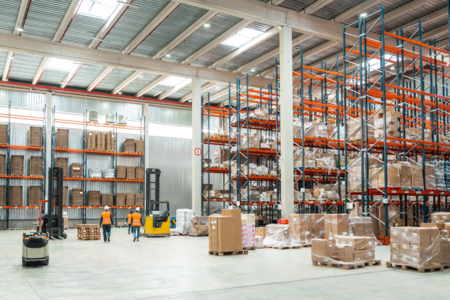
The operational logic of platform-based dropshipping is built on a redistribution of functions among ecosystem participants. The platform aggregates data on products and suppliers, establishes unified standards for product descriptions, automates order processing, coordinates logistics, and integrates payment instruments. The seller, in turn, gains access to a ready-made assortment and digital sales tools, making it possible to focus on product niche selection, storefront configuration, and engagement with consumer demand. Droplox serves as an example of such a platform, functioning as a connective link between suppliers, sellers, and end customers.
A key feature of platform-based dropshipping is the standardization of processes. The use of a unified technical environment reduces operational complexity, increases the reproducibility of business models, and facilitates the scaling of commercial activity. Through the algorithmization and automation of the commercial cycle, time-related costs associated with order processing, assortment updates, and logistics management are reduced. As a result, dropshipping takes the form of a reproducible digital practice embedded within the platform’s architecture.
From the perspective of the digital economy, platform-based dropshipping can be viewed as a mechanism for coordinating distributed commercial activity. The platform acts as an institutional intermediary by setting interaction rules, fostering trust among participants, and reducing information asymmetry. Sellers’ economic activity unfolds within an ecosystem in which data, algorithms, and network effects—characteristic of platform markets—play a central role.
Thus, contemporary dropshipping in a platform-based format represents not merely a method of organizing e-commerce but a specific mechanism for incorporating individual sellers into digital ecosystems. The case of Droplox demonstrates that dropshipping under platform economy conditions functions as a tool for standardized access to e-commerce, enabling participant integration into a unified digital space and reflecting broader trends in the development of platform-based models in the modern economy.