
Starting Out Isn’t About Funding
Money helps. But it’s not the first thing independent filmmakers need. What matters more is who you learn from, how many mistakes you’re willing to make, and whether you keep going when things don’t work.
New filmmakers often ask, “How do I raise money?” A better first question is, “Who can help me not waste it?” You don’t need a big budget. You need momentum.
Mentors Open Doors You Can’t Buy
A mentor doesn’t have to be famous. They just need to know more than you and be willing to share. Mentors help you spot the problems before they cost you time, or worse, burn out your crew. They’ve made the mistakes already. They can help you avoid the worst ones.
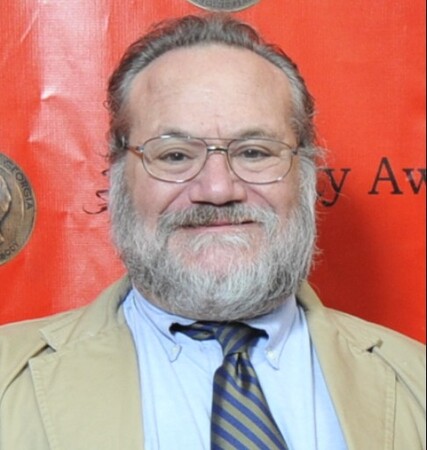
Louis Black Austin once said that he and his team at The Austin Chronicle made “every mistake possible” when they started. But they learned fast. Later, he and filmmaker Richard Linklater started the Texas Filmmakers’ Production Fund. That programme didn’t just hand out cash—it created connections. It helped new filmmakers meet experienced ones who could guide them through the chaos.
Find those people. Be useful to them. Ask real questions. Don’t fake like you know it all. You’ll learn more in one lunch with someone who’s shot 10 films than in 10 weeks reading Reddit threads.
How to Find a Mentor:
- Volunteer at film festivals (small ones are easier to access)
- Reach out to local production crews
- Join workshops or peer groups through local film offices
- Ask to shadow someone for a weekend shoot
Mistakes Are the Best Film School
Mistakes teach faster than textbooks. You won’t learn about lighting until your first night shoot runs late and half your footage is useless. You won’t respect sound until a windstorm ruins your best take.
Making something, showing it, getting feedback, then doing it better—that’s the real cycle.
Spike Lee’s early films weren’t polished. Kevin Smith’s Clerks was shot for $27,000 on maxed-out credit cards. It looked rough. But it had a voice. That voice came from doing it, not from reading about it.
Common Mistakes That Actually Help:
- Bad sound: You’ll learn why audio is more important than visuals
- Overwritten scripts: You’ll figure out what dialogue works once it’s said out loud
- Too many locations: You’ll find out how much time it really takes to move gear
- No schedule: You’ll never skip pre-production again
Don’t avoid mistakes. Plan for them. Learn from them. Make new ones next time. That’s progress.
Momentum Beats Perfection
Many indie filmmakers spend years rewriting a script. Or waiting for the right camera. Or pitching the same project over and over.
Stop waiting. Make something short and simple. Then make the next thing better. The point isn’t to go viral. The point is to get sharper.
SXSW started small. No big names. No polished setup. But it created space for movement. People came, shared, connected. That motion made the whole thing grow. Film careers work the same way.
Action beats planning. Every time.
Keep Your Momentum Moving:
- Shoot one short film per season. Winter, spring, summer, fall. No excuses.
- Keep each script under 5 pages if you’re new.
- Set deadlines even if no one is asking.
- Share your work even if it’s not perfect.
- Collaborate with new people on each project.
Each project teaches something. You’ll shoot faster, edit smarter, and write leaner with each pass.
You Don’t Need Hollywood to Start
Streaming changed the game. But so did smartphones, cheap editing tools, and communities that actually care about indie work.
You don’t need to live in L.A. to start. According to a 2023 study by FilmLA, non-studio indie productions were up 12% in smaller U.S. cities. Places like Austin, Portland, and Atlanta now have full ecosystems.
The Texas Film Production Fund (originally started with help from Louis Black Austin and others) has given out more than $1.5 million. Many of those films ended up at Sundance, SXSW, or Toronto. They didn’t have famous producers. They had momentum.
You can do the same from wherever you are.
Building a Career That Lasts
Making a great film once is hard. Doing it again is harder. But that’s the goal. Repeat it. Keep going. Get better.
Careers aren’t made by a single short or feature. They’re made by consistency. That comes from working, not wishing.
The people who stay in the game are the ones who learn fast, help others, and know when to stop rewriting and start shooting.
Action Steps to Build Momentum Now
1. Set a 90-Day Production Goal
Write, shoot, and edit a short under 3 minutes in the next 90 days. Publish it. Learn. Repeat.
2. Find a Crew at Your Level
Join Facebook groups, Reddit forums, or local meetups. Don’t wait for pros. Find others starting out. Build together.
3. Watch Commentaries
Pick 3 indie films with director commentaries this month. Listen to how they worked around problems.
4. Share Feedback, Not Just Content
Don’t just post your work. Review someone else’s. Build mutual support. You’ll get better faster.
5. Apply to One Micro-Grant
Even if you think you won’t get it. Look for local arts councils or film funds. The process itself is worth it.
Final Thoughts
Money helps, but it’s not the most important thing. Mentors teach you how to use what you’ve got. Mistakes show you how to improve. Momentum keeps you from getting stuck.
Filmmaking isn’t about waiting to be discovered. It’s about making things, getting better, and sticking with it long enough to matter.
Big ideas can come from small sets. Small crews. Low budgets. But they need movement. That part’s on you.