
Introduction
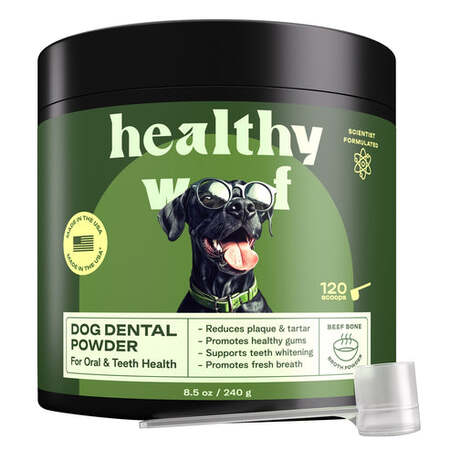
Dogs have been beloved companions of humans for thousands of years, yet in modern households — even among the most caring pet owners — one aspect of canine health is consistently overlooked: oral health. While we prioritize vaccinations, nutrition, grooming, and exercise, dental care often falls by the wayside. The consequences of this neglect are significant: chronic pain, systemic disease, reduced quality of life, and shorter lifespans. You can buy dog powder for an effective way to keep your dogs mouth healthy and it’s easy to get them to ingest it.
In 2026, as veterinary science advances and pet ownership grows globally, the need to understand why people neglect their dogs’ oral health and how to improve care has never been more important. This essay explores underlying causes of neglect — from psychological barriers to misinformation — and presents detailed, practical strategies for improving dog dental care in the current decade.
Part I — Why Oral Health Gets Neglected
1.1 Lack of Awareness and Education
One of the main reasons dog dental care is neglected is simple: many owners are unaware of its importance. Unlike vaccinations or diet, oral health is not always covered in routine pet education. When a dog appears happy and eats normally, owners often assume everything is fine — even if underlying problems exist.
Most signs of dental disease — bad breath, tartar buildup, bleeding gums — are either normalized or dismissed. For example, many owners think “dog breath” is inevitable rather than a symptom of periodontal disease. In reality, dental disease is one of the most preventable yet most common health issues in dogs, with studies showing that over 80% of dogs exhibit some form of dental disease by age three.1
1.2 Infrequent Veterinary Communication
Veterinarians are trusted authorities on pet health, but dental care often gets less emphasis during routine checkups compared to vaccines, weight management, and internal health. Time constraints in busy veterinary clinics and the assumption that owners already understand dental needs can leave oral health discussions short or absent.
As a result, dog owners may leave appointments without guidance on the frequency of cleanings, how to brush at home, or when to watch for symptoms.
1.3 Cost and Accessibility Barriers
Professional dental assessments and cleanings aren’t cheap. Many owners delay or avoid veterinary dental care because of financial constraints. In some regions, access to pet dental services — especially advanced periodontal treatment — is limited.
For some families, especially in lower-income areas or countries with limited pet health infrastructure, oral care simply isn’t affordable. This creates a cycle in which treatable conditions worsen into painful, expensive diseases.
1.4 Underestimation of Pain and Disease Impact
Dogs are experts at masking pain. In the wild, showing discomfort signals weakness. Domesticated dogs retain this instinct, meaning many can suffer from oral pain without obvious behavioral changes. Owners may interpret subtle signs — reduced appetite, reluctance to play with toys, or irritability — as aging or unrelated issues.
This underestimation of the impact of dental disease leads many to assume that routine brushing or professional cleanings are optional rather than essential parts of healthcare.
1.5 Behavioral Challenges Around Toothbrushing
Even when owners understand the importance of oral care, they face practical challenges. Brushing a dog’s teeth daily can be stressful, both for the owner and the dog. Resistance — growling, pulling away, anxiety — makes many pet parents give up after a few attempts.
Without guidance on positive training techniques, gradual desensitization, or alternative products, owners may abandon dental routines entirely.
1.6 Misleading Marketing and Product Claims
The pet product market is booming in 2026, and everywhere you look there are “dental chews,” sprays, treats, and gadgets that claim to improve oral health. While some are effective, others are poorly researched or overhyped.
When owners rely on dental treats as a substitute for brushing or vet-recommended care, they may feel they have addressed the problem, even when significant disease persists. This false sense of security contributes to long-term neglect.
1.7 Cultural and Regional Differences in Pet Care
In some cultures or regions, oral health is simply not prioritized. When dental care is absent from mainstream pet health norms, owners may follow suit. Lack of veterinary infrastructure and educational outreach exacerbates this issue, leaving many dogs without basic oral care throughout their lives.
Part II — Why Oral Health Matters: The Hidden Consequences
2.1 Link Between Oral and Systemic Health
One of the most critical reasons to prioritize oral health is its impact on overall wellbeing. Bacteria from periodontal disease don’t just damage gums and teeth — they can enter the bloodstream and affect vital organs like the heart, liver, and kidneys.
Research shows strong correlations between severe periodontal disease and systemic conditions such as:
-
Endocarditis (inflammation of the heart valves)
-
Kidney disease
-
Diabetes complications
In older dogs, poor oral health often accelerates decline in general health and can complicate treatment for chronic disease.
2.2 Chronic Pain and Behavioral Changes
Oral pain is sometimes invisible but always real. Dogs may adapt eating behaviors — chewing on one side, rejecting hard food, or overly drooling — without owners noticing. Chronic dental discomfort also affects mood, playfulness, and interactions with family members.
Left untreated, dental disease can lead to tooth loss, infections, and abscesses, significantly reducing quality of life.
2.3 Financial Burden of Advanced Disease
Ironically, neglecting oral health often leads to higher veterinary bills in the long run. Preventive dental care — including home brushing, periodic professional cleanings, and early intervention — is far more cost-effective than treating advanced periodontal disease, extractions, or systemic complications.
Part III — Taking Care of Your Dog’s Oral Health in 2026
The good news is that by 2026, advancements in veterinary care, education, and consumer products mean that dog dental health is more manageable and understandable than ever.
Here are comprehensive, practical strategies to improve your dog’s oral health.
3.1 Establishing a Daily Routine
Daily Brushing — Best Practice
Daily brushing remains the most effective way to control plaque and prevent tartar buildup.
Tips for successful brushing:
-
Start early and slowly. If your dog is new to brushing, begin by letting them taste pet-safe toothpaste (never use human toothpaste). Gradually introduce the toothbrush, associating it with rewards.
-
Use the right tools. Choose soft-bristled brushes designed for dogs or finger brushes that may be less intimidating.
-
Positive reinforcement. Use treats and praise. Short, calm sessions — even just focusing on a few teeth at a time — build comfort over weeks.
Most dogs won’t tolerate full brushing immediately, but consistency pays off.
Toothpaste Matters
Only use toothpaste formulated for dogs. These products are safe to swallow and often flavored (e.g., poultry or beef) to encourage cooperation.
Frequency Goals
-
Ideal: Daily brushing
-
Minimum effective frequency: 3–4 times per week
-
Supplemental: After meals when possible
Consistency is more impactful than perfection.
3.2 Dental Diets and Chews
Prescription Dental Diets
Veterinarians can recommend therapeutic dental diets that help reduce plaque formation. These diets often contain kibble with specialized texture and ingredients that clean teeth as the dog chews.
Evidence-Based Dental Chews and Snacks
Not all dental chews are equal. Look for products with VOHC (Veterinary Oral Health Council) approval, which indicates scientifically validated plaque-control benefits.
While dental treats don’t replace brushing, they can be a valuable supplemental tool — especially for dogs who fight the toothbrush.
3.3 Professional Veterinary Cleanings
Despite best home care, periodic professional dental cleanings are essential.
What to Expect from a Cleaning
A professional dental cleaning includes:
-
Full oral examination
-
Dental X-rays (critical for assessing root health)
-
Plaque and tartar removal above and below the gumline
-
Polishing
-
Treatment of identified problems (e.g., extractions, periodontal therapy)
Frequency
Many dogs benefit from annual or semi-annual cleanings. Some breeds (especially small and toy breeds) develop dental disease faster and may need more frequent care.
Sedation and Safety
Modern anesthesia protocols in 2026 are safer than ever. Veterinary teams use individualized sedation and monitoring tailored to each dog, minimizing risk and maximizing comfort.
3.4 Innovative Oral Health Tools of 2026
Advances in pet health tech have introduced tools that make oral care more accessible.
Tartar-Fighting Water Additives
Approved water additives can reduce bacterial load and plaque buildup. When used consistently, they provide a passive oral care boost.
Smart Oral Sensors
In 2026, wearable and home-based oral sensors exist that can track inflammation markers in saliva and notify owners or veterinarians when changes occur — similar to glucose monitors in humans.
These technologies help detect disease earlier, prompting intervention before significant damage.
Ultrasonic Toothbrushes for Dogs
Veterinary-grade ultrasonic toothbrushes designed for dog jaws can clear plaque more effectively than manual brushing alone. Used with positive training and desensitization, these tools make deep cleaning easier.
3.5 Behavioral Support to Make Dental Care Easier
Training and Desensitization
Work with positive-reinforcement trainers or veterinary behaviorists to make brushing a pleasant experience. Gradual desensitization — touching the muzzle, lifting lips, then introducing tools — helps build tolerance.
Games and Rewards
Combine dental care with play. For example:
-
Use a dental chew after brushing
-
Brush after a walk or calm bonding session
-
Use clicker training to associate brushing with fun
These strategies reduce stress and resistance.
3.6 Seasonal and Life Stage Approaches
Oral care needs vary with age, breed, and health status.
Puppies
-
Start tooth brushing early (as soon as you bring them home)
-
Use puppy-specific toothpaste and tiny brushes
-
Associate brushing with cuddles and play
Adults
-
Monitor tartar buildup every 2–3 months
-
Adjust routine if appetite or chewing behavior changes
Senior Dogs
-
More frequent monitoring for periodontal disease
-
Consider softer diets if chewing becomes painful
-
Use water additives and prescription diets when brushing is difficult
3.7 Recognizing Warning Signs Early
Knowing what to watch for empowers timely action. Common signs of dental disease include:
-
Bad breath that worsens over time
-
Yellow or brown tartar
-
Red, swollen, or bleeding gums
-
Excessive drooling
-
Reluctance to eat hard food
-
Chewing on one side of the mouth
-
Pawing at the face or mouth
If you notice these signs, schedule a veterinary dental check as soon as possible.
3.8 Overcoming Barriers to Care
Cost Solutions
-
Pet insurance: Choose plans that cover dental issues.
-
Wellness plans: Many clinics offer monthly payment programs.
-
Community clinics: Low-cost options exist in many areas.
Education and Support
-
Attend community pet health workshops
-
Follow credible veterinary resources online
-
Ask your vet to demonstrate brushing techniques
Education reduces anxiety and increases compliance.
Part IV — The Future of Dog Oral Health Beyond 2026
4.1 Preventive Medicine as Standard Practice
By 2030, oral health will increasingly be integrated into routine preventive care — with vets, trainers, and owners collaborating to monitor dental status regularly.
4.2 Personalized Dental Care Plans
Data from genetic testing, oral sensors, and veterinary records will allow tailored plans that match each dog’s risk profile — similar to personalized medicine in humans.
4.3 Cultural Shift Toward Oral Health Awareness
With growing awareness of the link between oral and overall health, dog owners in 2026 and beyond will treat dental care as fundamental rather than optional.
Conclusion
Neglecting a dog’s oral health is common in 2026, often because of limited awareness, practical challenge, cost concerns, and misunderstanding of its importance. Yet oral health is not separate from overall wellbeing — it is central to pain-free eating, systemic health, longevity, and quality of life.
By establishing daily routines, embracing modern technologies, working with veterinary professionals, and learning to recognize early warning signs, dog owners can dramatically improve their pets’ oral health outcomes.
In the decade ahead, a cultural shift is underway: oral care is no longer an afterthought but a cornerstone of compassionate, science-based pet ownership. With the right tools, knowledge, and commitment, every dog can have not just a healthy body, but a healthy smile.