
Introduction
Exploring Chinese Gongfu tea is an engaging experience for both beginners and experts. This traditional brewing method focuses on precision, patience, and the art of tea tasting, featuring the Gongfu tea set as its centerpiece. Originating from Guangdong’s Chaoshan region and Fujian, Gongfu tea has been a vital part of Chinese culture for centuries. It uses small teapots or gaiwans made of unglazed clay or porcelain, allowing the tea leaves to fully unfurl and release their flavors. Choosing a Gongfu tea set means embracing a cultural ritual that promotes mindfulness. For newcomers, resources like https://www.teasetbox.com/collections/tea-sets/gongfu-tea-sets/ offer a vast array of authentic sets to enhance your tea journey. This article will help you understand the essential components of a Gongfu tea set, how to pick the right one, and tips for mastering the brewing style. Whether you want a set for personal enjoyment or to deepen your tea culture knowledge, you’ll find what you need for this aromatic path.
Understanding the Gongfu Tea Ceremony
The Gongfu tea ceremony is much more than a method of brewing tea; it is an engaging cultural practice that emphasizes mindfulness, art, and hospitality. Unlike typical tea preparation methods, the Gongfu tea ceremony involves multiple small infusions, precise techniques, and detailed attention to the subtleties of flavor, aroma, and appearance. Let’s delve into the essentials of this captivating ceremony.
- The Art of Preparation
The Gongfu tea ceremony begins with careful preparation. The tea leaves, often of high quality and specifically selected for their nuanced profiles, are measured precisely. The small teapot or gaiwan used in the ceremony is pre-warmed, ensuring the leaves release their fullest aroma and taste. Each step is deliberate, reflecting the ceremony’s essence: the transformation of brewing into an art form.
- Tools and Techniques
Several tools are central to the Gongfu tea ceremony, including a small teapot or gaiwan, a fairness pitcher, tiny tasting cups, a tea pet, and various implements like a tea scoop and pin. These tools facilitate an intricate process that allows tea to be brewed and served efficiently, each promoting appreciation of the tea’s complexity. The tea leaves are infused multiple times, with each steep releasing different notes and aromas. A typical Gongfu session can involve anywhere from three to ten infusions.
- The Experience of Tasting
Each infusion in the Gongfu tea ceremony is an opportunity to savor the developing flavors. The small tea cups promote the recognition of subtle changes between pours. Guests are encouraged to observe the tea’s color, inhale its aroma, and appreciate its texture and taste. This element of the ceremony underscores a commitment to presence and a refined sensory experience, aligning the participant’s awareness with the moment.
- A Social and Cultural Ritual
Historically, the Gongfu tea ceremony has been a cornerstone of community and social interaction. It is an opportunity for friends and family to gather, connect, and share experiences beyond the mere act of drinking tea. In many Chinese cultures, this ceremony is a gesture of respect and friendship, where the host pays careful attention to their guests’ needs, ensuring a warm and welcoming atmosphere.
By immersing yourself in the approach of the Gongfu tea ceremony, you not only enrich your tea palette but also embrace a treasured cultural legacy. Each precise movement and focused tasting brings the art of tea to life, transforming simple leaves into a shared moment of beauty and tranquility. The Gongfu tea ceremony encourages one to move away from hurried consumption, fostering a deeper appreciation for the artistry and hospitality that it represents.
Components of a Gongfu Tea Set
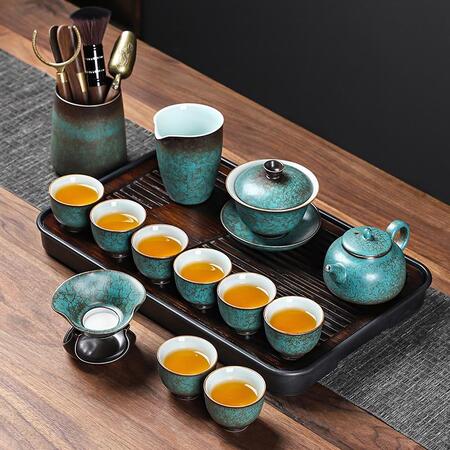
The Gongfu tea set is designed to enhance every aspect of the tea drinking experience, from preparation to tasting. Each component serves a specific purpose in the ritual, contributing to the overall appreciation of the tea’s intricate flavors and aromas. Below are the primary components typically found in a Gongfu tea set:
- Teapot or Gaiwan
The teapot, often made of Yixing clay or porcelain, is the centerpiece of the Gongfu tea ceremony. Alternatively, a gaiwan, which consists of a lidded cup and saucer, can also be used. Both allow for controlled brewing and a hands-on experience with the tea leaves. The choice between a teapot and a gaiwan often depends on personal preference and the type of tea being brewed.
- Fairness Pitcher
The fairness pitcher, or cha hai, ensures that every guest receives tea of consistent strength and flavor. Once the tea is brewed, it is poured from the teapot or gaiwan into this vessel before being distributed into the tasting cups. This step prevents any discrepancies in flavor caused by varying steeping times.
- Tasting Cups
Small and delicate, the tasting cups are designed to hold just a few sips of tea. Their size encourages multiple tastings, allowing participants to appreciate the subtle changes in flavor and aroma with each infusion. Often made of porcelain or glass, these cups enable an intimate connection with the beverage.
- Tea Pet
Although not essential, a tea pet serves as a charming and playful addition to the Gongfu tea set. These small clay figures rest on the tea tray and are often “fed” with leftover tea. Over time, they develop a unique patina, reflecting the care and respect imbued in the tea ceremony.
- Tea Tray
The tea tray, or cha pan, provides an organized space to perform the tea ceremony and catches any spills. Typically made from bamboo, wood, or stone, it features channels that allow excess water to drain away, keeping the brewing area tidy.
- Tea Utensils
Completing the set are several small utensils, including a tea scoop (cha ze), tea tongs (cha jia), and a tea needle (cha zhen). These tools assist with handling tea leaves, positioning the lid of the teapot or gaiwan, and ensuring that the spout remains unclogged. They aid in maintaining precision and care throughout the ceremony.
These components, when used in harmony, create a seamless and engaging Gongfu tea session. They not only facilitate the practical aspects of tea brewing but also enhance the aesthetic and cultural dimensions of the experience, allowing one to fully engage with the tradition of Gongfu Cha.
Types of Tea Suitable for Gongfu
Gongfu Cha, or the art of Chinese tea brewing, is not just a method; it’s an experience dedicated to maximizing the potential of fine loose-leaf teas. While this traditional ceremony can adapt to various types of tea, some are particularly well-suited to the intricate processes and refined nuances of Gongfu brewing.
- Oolong Tea
Oolong tea, often referred to as ‘Wu Long Cha’, is highly revered in the world of Gongfu tea due to its wide range of flavors and aromas. These teas are semi-oxidized, striking a perfect balance between green and black teas. Whether it’s the floral notes of Tie Guan Yin or the roasted, toasty essence of Da Hong Pao, oolong tea reveals its complexity through multiple infusions, making it a favorite among Gongfu practitioners.
- Puerh Tea
Puerh, a fermented tea from Yunnan province, is another excellent choice for Gongfu brewing. Available in two main types – raw (sheng) and ripe (shou) – Puerh tea evolves significantly with age, offering a rich, earthy profile that matures over time. The Gongfu method highlights Puerh’s intricate transformations, providing a deep sensory experience with each infusion.
- Green Tea
Green tea, particularly that of premium quality, like Longjing (Dragon Well) and Biluochun, can also be brewed using Gongfu techniques. Known for its fresh, grassy flavors and invigorating aromas, green tea requires precise control over water temperature and steeping time to prevent bitterness, making it a slightly more challenging option for Gongfu brewing but rewarding when mastered.
- White Tea
White tea, such as Bai Mudan (White Peony) or Silver Needle, is appreciated for its delicate, subtle flavor profiles. These minimally processed teas reveal their true character through gentle brewing, allowing tea lovers to explore the nuanced layers of sweetness and floral notes that unfold during a Gongfu session.
- Black Tea
Chinese black tea, known as Hong Cha, also shines through in the Gongfu method. Varietals like Keemun or Dian Hong deliver rich, bold flavors complemented by sweet, fruity undertones that develop beautifully over successive infusions. Gongfu brewing captures these characteristics intricately, providing a full-bodied tasting experience.
- Scented and Floral Teas
Jasmine-scented green or white teas and floral infusions like osmanthus or chrysanthemum teas are wonderful options for Gongfu brewing. These teas offer an aromatic journey, enhanced by the precision and grace of Gongfu techniques, awakening the drinker’s senses with fragrant, delicate notes.
Engaging with different types of tea through Gongfu brewing not only deepens one’s appreciation for the diversity within tea cultures but also enhances the sensory journey with each sip. This method allows tea to reveal its many layers, enabling a profound connection to the history, culture, and artistry of tea-making.
Factors to Consider When Choosing Your First Tea Set
Choosing your first Gongfu tea set can be an exciting yet overwhelming experience, given the variety of styles and materials available. Whether you are a novice tea enthusiast or a seasoned connoisseur, several key factors should guide your decision to ensure you select a set that complements your lifestyle and tea preferences.
- Material
The material of your tea set influences both the brewing process and the aesthetic appeal. Common materials include:
- Yixing Clay: Known for its ability to enhance the flavor of tea over time, Yixing clay teapots are ideal for oolong and black teas. The porous clay absorbs the tea’s essence, creating a unique patina that develops with each use.
- Porcelain: Perfect for white, green, and floral teas, porcelain tea sets maintain the tea’s original flavors and delicate aromas without altering its taste.
- Glass: Glass tea sets offer visual appeal by allowing you to observe the color changes and unfurling of leaves during brewing, making them suitable for showcasing tea’s beauty.
- Size and Capacity
Considering the size and capacity of the tea set is crucial. Gongfu tea sets typically feature smaller teapots and cups to encourage multiple infusions and concentrated flavors. If you often brew tea solo, a smaller set may be sufficient. However, for entertaining or sharing tea ceremonies, a set with a larger capacity or additional cups might be necessary.
- Design and Aesthetics
Gongfu tea sets come in a range of designs, from traditional to modern. When selecting a set, consider your personal preferences and how the design aligns with your home decor or tea ceremony ambiance. A beautifully crafted set can enhance not only your brewing experience but also add an artistic touch to your tea rituals.
- Functionality
Prioritize ease of use and maintenance. Ensure the teapot pours smoothly without dripping or leaking and that the handle is comfortable to hold. Consider if the tea set is easy to clean, as intricate designs might be more challenging to rinse and maintain.
- Cost
Finally, the cost is an important aspect, especially for those new to Gongfu tea. While it’s tempting to invest in high-end sets, starting with an affordable yet reliable set can help you learn the nuances of Gongfu brewing without significant financial commitment. As your passion and expertise grow, you can explore more specialized and exquisite options.
Exploring these factors allows you to select a Gongfu tea set that not only meets your practical needs but also enhances your enjoyment of the rich tradition and artistry of Chinese tea culture.
Why Material Matters
The material of a Gongfu tea set significantly influences the tea brewing experience, affecting both the taste of the tea and the aesthetic appeal of the ceremony. Here’s why the material choice is paramount:
- Impact on Taste
Different materials interact with tea in unique ways, subtly altering its flavors. For example, Yixing clay is porous and can absorb the tea’s essential oils, gradually enhancing the taste of subsequent brews. This characteristic makes it ideal for dedicated use with a specific type of tea, such as oolong.
On the other hand, porcelain is non-porous, making it suitable for various teas without retaining flavors. It provides a neutral brewing environment, allowing the true essence of each tea to shine.
- Heat Retention
The thermal properties of a tea set’s material affect how it retains and distributes heat. Yixing clay, known for its excellent heat retention, is perfect for teas that require boiling water, like Pu-erh or black tea, as it maintains temperature longer for consistent brewing. Glass and porcelain, however, might cool quickly, influencing the brewing process, and are ideal for teas brewed at lower temperatures, such as green or white teas.
- Visual Appeal and Experience
The material also contributes to the overall sensory experience during a tea ceremony. Glass tea sets allow for a visual spectacle, showcasing the color and unfurling of leaves, enhancing the visual pleasure and engaging more senses during tea preparation.
Porcelain and Yixing clay, with their elegant and handcrafted artistry, offer a tactile experience, complementing the traditional and cultural aspects of Gongfu tea brewing.
- Maintenance and Longevity
Ease of maintenance is crucial, as some materials require specific care to maintain their beauty and efficacy. Yixing clay, for example, should not be washed with soap to preserve the absorbed flavors, while porcelain is generally hassle-free and dishwasher safe.
Durability is another aspect; high-quality clay and porcelain are less prone to chipping and can last for years, with the ability to become cherished heirlooms passed down through generations.
In summary, the material of a Gongfu tea set is more than a matter of personal preference—it dictates the functionality, longevity, and depth of your tea ritual experience. Selecting the right material enhances not only the flavor of the tea but also the ritualistic enjoyment and appreciation of the art of Gongfu brewing.
Where to Buy Your First Gongfu Tea Set
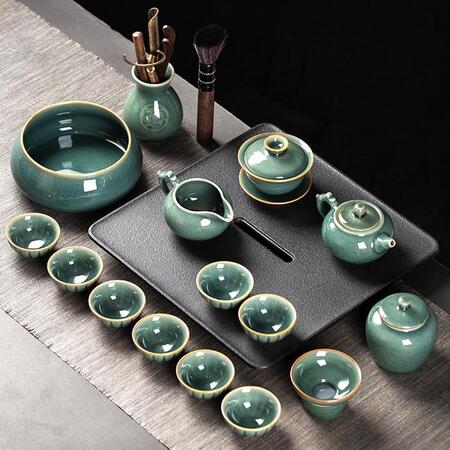
Purchasing your first Gongfu tea set is an exciting step into the world of traditional Chinese tea culture. Making the right choice involves considering factors like the type of tea you enjoy, your budget, and your aesthetic preferences. Here’s a guide to help you find the perfect set for your needs:
- Specialty Tea Shops
Many specialty tea shops offer a variety of Gongfu tea sets that cater to both beginners and seasoned tea enthusiasts. These shops often have knowledgeable staff who can guide the best type of set for the specific teas you enjoy and help you understand the nuances of each material.
- Online Marketplaces
Online platforms like Amazon, eBay, and Etsy offer a wide range of Gongfu tea sets. Buying online provides access to customer reviews and a broader selection of products from around the world, allowing you to compare prices and features easily. However, it’s crucial to purchase from reputable sellers to ensure quality and authenticity.
- Teasetbox
For a refined selection tailored to both newcomers and collectors, Teasetbox is a highly recommended brand. Known for their exquisite craftsmanship and dedication to quality, Teasetbox.com offers a variety of sets crafted from traditional materials like Yixing clay and porcelain. Their collections often feature unique designs that honor the cultural heritage of Gongfu brewing while providing all the essential tools to enhance your tea experience.
- Local Cultural Markets
Local cultural markets or Asian festivals can be treasure troves for finding authentic Gongfu tea sets. These venues often feature artisans and sellers who bring beautifully crafted sets that reflect rich cultural traditions. Shopping locally not only supports artisans but also offers the opportunity to see the sets in person before purchasing.
- Tea Houses
Some traditional tea houses not only serve exquisite teas but also sell Gongfu tea sets. Visiting a tea house can be a delightful way to experience Gongfu brewing firsthand, allowing you to test different sets in a real-world setting before deciding which is right for you.
Choosing your first Gongfu tea set is a personal journey that combines practical needs with aesthetic choices. Whether you choose to buy online, visit a specialty shop, or explore local markets, consider what best suits your lifestyle and tea-drinking habits. With brands like Teasetbox offering quality selections, you’re sure to find a set that will serve as a gateway into the elegant world of Gongfu tea brewing.
Budgeting for Your Tea Set
When diving into the captivating world of Gongfu tea, determining a budget for your tea set is an important step that can guide your choices and enhance your tea exploration journey. Here’s how to approach budgeting thoughtfully:
- Assessing Your Needs
Begin by assessing your needs and expectations. Are you a beginner simply curious about Gongfu tea, or are you a seasoned tea enthusiast looking to expand your collection? Knowing your level of commitment can help you set a realistic budget. For beginners, a smaller budget can secure a basic yet functional set, while aficionados may want to allocate more for unique or high-quality artisan sets.
- Understanding Price Ranges
Gongfu tea set prices can vary widely based on several factors such as material, craftsmanship, and brand reputation. Entry-level sets made from ceramic or porcelain can start as low as $30 to $50. Yixing clay sets, renowned for their tea-enhancing properties, might range from $50 to $150 for good-quality options. High-end sets, often crafted by skilled artisans with intricate details, can exceed $200 or more. Understanding these price ranges can help you set a budget and anticipate potential costs.
- Prioritizing Essential Components
When budgeting, prioritize essential components of a Gongfu tea set. Typically, a basic set includes a small teapot, serving pitcher, tea cups, and a strainer, often accompanied by a tea tray and tea tongs. If your budget is tight, focus on acquiring these core items first, and you can add additional accessories, like a tea pet or specialized kettle, as your budget allows over time.
- Balance Quality and Affordability
Seek a balance between quality and affordability. Investing in a good-quality set can improve your Gongfu tea experience and ensure the set’s longevity. However, this doesn’t necessarily mean breaking the bank. Research and compare products, seek recommendations, and read reviews to find sets that are both well-crafted and reasonably priced.
- Consider Long-term Investment
Think of your Gongfu tea set as a long-term investment in your tea lifestyle. A well-chosen set will not only enrich your tea drinking experience but also serve as a beautiful cultural artifact that enhances your home. Allocating funds strategically can turn your Gongfu tea practice into a rewarding pursuit without financial strain.
In summary, setting a budget for your Gongfu tea set involves evaluating your needs, understanding price ranges, focusing on essential components, and balancing quality with cost-effectiveness. By taking these factors into account, you can secure a tea set that brings both satisfaction and value to your tea rituals.
Caring for Your Gongfu Tea Set
Proper care and maintenance of your Gongfu tea set are essential to preserving its beauty and functionality. Whether you have a simple or an intricate set, following these care guidelines will help ensure its longevity and enhance your tea-drinking experience.
- Cleaning Your Tea Set
Regular cleaning is crucial to maintaining the quality of your Gongfu tea set. Here are some tips to clean different components:
- Teapot and Teacups: Gently rinse the teapot and teacups with warm water after each use. Avoid using soap, as it can leave a residue that affects the taste of the tea. For stubborn stains, a soft brush can be used.
- Yixing Clayware: If your set includes Yixing clay pieces, never use soap. Just rinse them thoroughly and let them air dry. Over time, the clay will absorb the essence of the tea, enriching future brews.
- Porcelain Items: For porcelain parts, a delicate wash with a little soap is acceptable. Rinse thoroughly to ensure no soap residue remains.
- Drying and Storing
Once cleaned, it’s important to dry and store your tea set properly to prevent any damage:
- Air Dry: Allow all pieces to air dry completely before storing them. This prevents moisture buildup, which can lead to mold or cracking.
- Storage: Store your tea set in a dry, cool place away from direct sunlight. If possible, keep them in a dedicated cabinet or shelf to avoid accidental damage.
- Handling and Usage Tips
Proper handling during use can prevent unnecessary wear and tear:
- Gentle Use: Handle all pieces with care, especially fragile items like porcelain and glass. Place them securely on a table or a tea tray.
- Regular Usage: Especially for Yixing clay teapots, regular use helps improve the texture and color over time due to the patina that develops from constant contact with tea.
- Annual Maintenance
In addition to regular cleaning, an annual check-up of your tea set can help in long-term preservation:
- Inspect for Cracks or Chips: Regularly inspect your tea set for any signs of wear like cracks or chips. Early detection can help prevent further damage.
- Deep Cleaning: Once a year, consider a deep cleaning session. For porcelain, this may involve a more thorough wash, while for Yixing clay, a simple hot water rinse should suffice.
Caring for your Gongfu tea set is more than just maintenance; it’s a ritual that enhances the bond with your tea set, making your tea sessions more enjoyable and meaningful. By integrating these practices into your routine, you can ensure that your tea set remains a cherished part of your tea journey for many years to come.
Conclusion
The Gongfu tea set transcends mere teaware, offering an immersion into Chinese culture and the art of tea brewing. For both seasoned enthusiasts and newcomers, it elevates tea-drinking into a mindful ritual rich in history. Selecting a Gongfu set involves considering your tea preference, budget, and the materials’ aesthetic—be it Yixing clay’s earthy elegance, porcelain’s delicate detail, or bamboo’s rustic charm. Exploring options through specialty shops, online, or local markets allows you to find a set that reflects your taste and enhances your brewing journey. This exploration fosters cultural appreciation and personal discovery, enriching every tea session.