
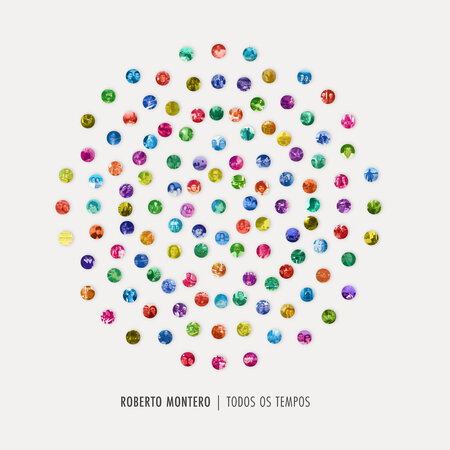
On “Todos os Tempos,” guitarist–composer Roberto Montero steps confidently into the spotlight with a debut that feels less like an opening statement and more like the culmination of a lifetime of listening. Self-produced and meticulously arranged, the album treats Brazilian music not as a fixed tradition but as an evolving language complete with contemporary jazz harmonies, chamber-like textures, and an unhurried melodic clarity.
From the outset, what stands out most is how carefully the album sounds. The production is warm, spacious, and deliberately organic. Montero resists the temptation to over-polish, and instead, he leans into the tactile qualities of his instruments. You hear the grain of the acoustic guitar, the soft bloom of the Rhodes, and the wooden resonance of hand percussion.
https://robertomontero.bandcamp.com/album/todos-os-tempos-all-tempos-all-times
The instrumentation reinforces this sense of intimacy as Montero alternates between acoustic, electric, and synth-inflected guitars. The small ensemble darts between folkloric gestures and modern jazz voicings with ease. The arrangements emphasize interplay as guitar and piano trade motifs like conversational partners, while bass and percussion gently propel the frame.
The eight-minute opener, “Igarapé/River stream,” serves as a thesis statement for the album. Built on slowly expanding layers of piano, percussion, and lyrical guitar lines, the piece evolves like a river journey: serene, patient, and subtly dramatic. The production emphasizes space, allowing small gestures to accumulate into a cinematic whole.
In contrast, “Valsa do Tempo Parado” clocks in at under two minutes, and this miniature waltz is one of the album’s most affecting moments. Its simplicity is its strength: a restrained guitar figure, delicately voiced harmonies, and a mood of quiet reflection.
The closer, “Vou Mas Fico,” is a showcase of the album’s melodic strength. It’s a strong instrumental interplay that focuses on creating an atmosphere of introspective calm.
Even at its close, the album expands its palette without ever losing its cohesive tone.
Todos os Tempos is not an album that clamors for attention. Instead, it unfolds patiently, offering tranquility, warmth, and a surprising emotional depth. Montero’s restraint is part of his artistry: every flourish feels earned, every silence meaningful. In a landscape crowded with showy debuts, his is refreshingly confident in its subtlety.