
Key Takeaways
- Stay informed about current interest rates to make informed, cost-effective borrowing decisions.
- Consider alternative and digital lending platforms for greater flexibility and efficiency.
- Adopt proactive strategies for consolidating and managing debt.
Navigating today’s complex financial environment requires careful consideration, especially when it comes to borrowing. With rising interest rates and an evolving lending landscape, borrowers are increasingly focused on effective strategies to secure stability and future growth. Understanding your options, from traditional banks to online solutions such as MaxLend loans, can make all the difference in finding the right borrowing path for your needs.
Making informed choices is more critical than ever, as borrowing impacts not only your monthly budget but also your long-term financial health. As technology advances and lending products diversify, the savvy borrower must weigh the pros, cons, and risks of each option. Reviewing current economic trends, leveraging alternative lending platforms, and implementing proactive debt management strategies will help you stay ahead of costly financial mistakes and capitalize on available opportunities.
This guide offers an in-depth overview of the key elements that contribute to smart borrowing in 2025, enabling you to borrow confidently while safeguarding your finances. From leveraging home equity to leveraging digital platforms, you’ll discover best practices and practical advice for lasting financial security. Staying engaged with your personal credit and understanding the impact of borrowing allows you to maintain flexibility and responsive financial planning.
Whether you’re seeking a large loan for a life milestone or a short-term solution to bridge a gap, today’s marketplace offers more lending products than ever before. By prioritizing responsible borrowing and staying informed on evolving policies and rates, you can achieve both near-term relief and long-term fiscal wellness. For the latest trends in the lending industry, consult resources such as CNBC Personal Finance.
Understanding Current Interest Rates
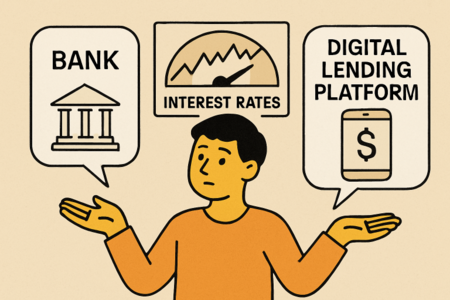
Interest rates are a foundational factor in determining the real cost of borrowing. As of mid-2025, the Federal Reserve’s key lending rate sits between 5.25% and 5.5%, marking the highest levels seen in decades. This increase affects virtually every type of personal loan, credit card, and mortgage. Staying attuned to changes in interest rates can help you secure a more affordable loan and avoid unnecessary costs, especially as lending conditions tighten. To track current rates, refer to sites such as the Bankrate Federal Reserve Tracker.
Exploring Alternative Lending Options
Traditional loans from brick-and-mortar banks have become just one of many options available to borrowers. Digital lending solutions and credit unions offer flexible terms, streamlined approval processes, and competitive rates. Platforms like peer-to-peer lending, buy-now-pay-later services, and personal loan apps are popular for their accessibility and convenience. They often offer quicker decisions and direct deposit, which can be invaluable during times of financial urgency. Evaluate these options carefully, comparing APRs, fees, and terms to ensure you’re selecting a reputable lender and a product that aligns with your unique goals.
Strategies for Effective Debt Management
Attentive debt management is crucial to maintaining financial health when borrowing. Consider consolidating high-interest debts into a single loan with a lower rate to reduce total interest paid and simplify payments. Aim to keep your credit utilization below 30% to maintain a strong credit score. Reviewing your debts regularly allows you to adjust payment strategies, such as increasing monthly contributions or making biweekly payments on larger loans. Remember to monitor for hidden fees and continually reassess your repayment plan as your income or expenses change.
- Use balance transfer cards to pay off high-interest credit card debt, but be aware of transfer fees and promotional rates.
- Refinance your loan when market rates decrease to lower your monthly payment burden.
- Develop a debt snowball or avalanche plan tailored to pay off either low-balance or high-interest debts first.
Leveraging Home Equity Wisely
For homeowners, borrowing against property equity can be a smart way to finance significant expenses, such as renovations or education. With the average homeowner now holding around $320,000 in equity, options like Home Equity Lines of Credit (HELOCs) or home equity loans may offer lower interest rates than unsecured personal loans. However, exercise caution; using your home as collateral means risking foreclosure if you can’t meet repayment terms. It’s essential to borrow only what you need and to have a clear, steady plan for repayment.
The Role of Credit Scores in Borrowing
Your credit score significantly impacts your eligibility and the rates you will be offered. Improving your credit can open doors to better loan terms and may even result in increased credit limits or lower insurance premiums. To boost and maintain your score:
- Pay all bills on time, as payment history carries the most weight for scoring models.
- Limit your credit card balances and avoid maxing out accounts.
- Think twice before opening unnecessary new lines of credit, as multiple hard inquiries can temporarily reduce your score.
Regularly monitor your credit report through services like AnnualCreditReport.com to ensure accuracy and detect signs of fraud.
Navigating Short-Term Loans
Short-term loans are in increasingly high demand, with a 11% rise in applications during Q2 2025. Products such as payday loans, cash advances, and installment loans provide quick access to funds for emergencies or unexpected bills. While the speed and simplicity are attractive, it’s essential to read the terms carefully—defaulting can incur steep penalties and high APRs. Ensure you have a clear repayment strategy in place before agreeing to any short-term loan, and use these funds sparingly as part of a comprehensive financial plan.
Digital Lending Platforms
Advancements in fintech have led to a wide variety of digital lending services that simplify the borrowing experience through easy applications, quick decisions, and clear terms designed for different financial situations. Many of these platforms offer options for individuals with limited or less-than-ideal credit histories, providing more inclusive access to responsible financing. Borrowers can often apply online, but should take time to compare interest rates, review feedback, and understand all conditions before proceeding. Overall, these tools are reshaping the lending environment, enhancing convenience and accessibility for both consumers and the industry.
Conclusion
Mastering smart borrowing in today’s market hinges on awareness, adaptability, and proactive decision-making. By understanding interest rates, exploring both new and traditional lending options, prudently leveraging your assets, and prioritizing effective debt management, you can chart a path toward financial security and achieve your long-term goals with confidence.