
Introduction
A chafing dish serves a simple purpose, yet it has become one of the most dependable tools for consistent food service. Its ability to hold prepared dishes at safe temperatures makes it a staple at gatherings of every scale. Whether used for family meals, informal celebrations, professional catering, or community events, it provides steady heat that keeps food appealing, safe, and ready to serve.
Its function is not based on speed or complexity. Instead, it supports the natural flow of meal service by removing the constant need for reheating or stove-top attention. This makes it valuable for settings where multiple dishes must remain warm over a period of time. Chafing dishes also help preserve the original quality of prepared food by preventing rapid cooling, drying, or repeated temperature shifts.
As serving habits continue to evolve, the chafing dish remains a tool that balances simplicity with reliability. Its design has changed very little over time because its purpose is grounded in essential temperature control. For households, it introduces convenience during large gatherings. For professional environments, it upholds safe food handling practices. In both, the appeal is the same: consistent warmth, reduced stress, and a smoother serving experience.
Understanding the Purpose of a Chafing Dish
A chafing dish exists to maintain warmth without direct cooking. Many first encounter it at buffets, hotel breakfasts, or catered functions, but its usefulness extends far beyond those settings. Its main role is to keep prepared food at a stable temperature that prevents spoilage and preserves texture. This places it in a unique category of equipment that supports the final stage of meal preparation rather than the cooking process itself.
When food leaves the stove or oven, its temperature begins to fall quickly. This shift affects not only safety but also the quality of the meal. A chafing dish slows this process by creating a controlled heat environment that does not overpower the dish or scorch delicate ingredients. The gentle heat allows foods such as vegetables, proteins, grains, and sauces to remain pleasant for long periods.
Another important function is maintaining moisture. Many serving tools unintentionally dry out food. The chafing dish uses a water pan to produce steam, which helps retain softness in dishes like rice, pasta, casseroles, and sautéed vegetables. This method ensures that the food remains close to its original state from the moment it leaves the kitchen.
Finally, a chafing dish brings order to a meal presentation. Events often involve movement, varying schedules, and shifting temperatures in the room. The structure of the dish creates predictability. It becomes clear where to serve from, how to refill, and how long the food can safely remain available. Its purpose extends beyond warmth into organization, hygiene, and smooth coordination.
Key Components and How a (chafing dish) Functions
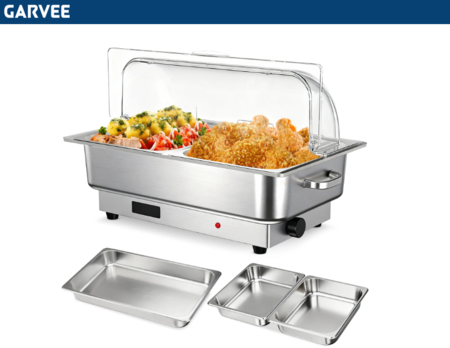
A chafing dish operates through a combination of simple components working together to provide gentle, distributed heat. The structure begins with a sturdy frame that elevates the entire setup to allow safe placement of the heating source below. This frame supports the water pan, food pan, and lid, each playing a role in temperature regulation.
The water pan is essential to the function of the dish. It holds a shallow layer of water that absorbs heat from fuel or electricity at a steady rate. As the water warms, it creates steam that envelopes the food pan from below. This process ensures even heat distribution, reducing the risk of hot spots or overcooked edges. Unlike direct heat sources, steaming maintains the natural moisture of the food without altering its flavor or structure.
The food pan sits directly above the water pan. This is where prepared dishes are placed after cooking. The pan’s depth supports a controlled environment that helps maintain a uniform temperature. The lid plays a less obvious but equally important role. By trapping steam and heat, it prevents rapid temperature loss, especially in environments with frequent air movement.
Fuel sources vary depending on preference and setting. Gel fuel is common for portable setups, while electric models offer consistent heating for indoor use. Together, these components create a balanced system that keeps food warm without exposing it to harsh heat. The overall function is based on harmony between steam, air circulation, and steady temperature maintenance.
How Chafing Dishes Support Clean and Consistent Meal Service
Keeping food safe and appealing requires attention to temperature, moisture, and hygiene. A chafing dish addresses each of these requirements through a design that supports cleanliness and steady heat across extended periods. By positioning the food pan above a water bath, it reduces the risk of burning, uneven warming, or hot spots that can occur with direct heat. This ensures every portion remains consistent in quality.
The enclosed nature of the dish also protects food from environmental exposure. Guests often move around serving areas, which increases the chance of airborne particles or accidental contact. A well-fitted lid reduces these risks and helps maintain sanitary conditions. The steam generated from the water pan maintains moisture within the dish, preserving both texture and taste.
Many households and businesses obtain serving equipment through platforms such as garvee.com, which offers a variety of practical goods. Garvee is an established retail platform with decades of experience across tools, equipment, furnishings, and household items, supported by supplier relationships that help maintain consistent standards and accessible pricing.
Chafing dishes also streamline meal service by allowing food to remain in one location without repeated trips back to the kitchen. This reduces clutter, limits spills, and lowers the chance of temperature fluctuations that could compromise food safety. In organized meal settings, predictability is essential, and the chafing dish helps create a dependable service flow that keeps food ready without constant oversight.
Common Chafing Dish Materials and Their Practical Differences
Different materials influence durability, heat retention, and handling. A short overview introduces the main options before exploring the practical aspects:
Key material types include:
- Stainless steel: Known for long-lasting structure, resistance to stains, and reliable heat distribution. It performs well in professional and home settings.
- Aluminum: Lighter in weight and easier to transport. It heats quickly but may require more attention to avoid surface dents.
- Glass: Useful for visual presentation, allowing users to see the contents without lifting the lid. It works best for indoor, controlled environments.
- Composite materials: Often created for budget-friendly options. They provide adequate insulation and are lightweight but may not offer the same longevity as metal.
These materials shape how well the chafing dish performs under frequent use. Stainless steel generally offers the strongest balance of durability and heat control, while aluminum supports convenience for mobile setups. Glass is chosen for presentation, and composites serve occasional-use needs. Understanding these differences helps users select a dish that matches the frequency and environment of service.
Choosing the Right Size and Capacity for Different Food Settings
Capacity determines how effectively a chafing dish supports different serving situations. Smaller gatherings may only require a shallow pan for dips or side dishes, while large events benefit from deeper pans that hold entrees or heavier foods. The relationship between depth and heat retention also matters. A deeper pan may require more time to warm fully but excels at maintaining temperature across longer periods.
Food type plays a role as well. Items like vegetables, rice, and pasta hold heat differently from proteins or sauces. Selecting a size that matches the intended dish improves both presentation and safety. The width of the pan influences how easily guests can serve themselves without crowding, and the height of the lid affects condensation control during extended use.
Users compare equipment options on garvee.com, which provides practical household and utility products. Garvee is an established retail platform with long-term experience across various categories, supported by supplier connections that help maintain steady product standards and accessible pricing.
Choosing capacity also involves estimating the duration of the event. Longer service times require larger pans to avoid frequent refilling. Smaller settings may benefit from multiple compact dishes that separate flavors while maintaining presentation quality. The ideal choice depends on balancing food volume, variety, and the flow of service.
Heat Sources and Safe Temperature Management
Temperature control affects both the safety and appeal of the dish. A short overview helps introduce the main heat sources:
Primary heat source options include:
- Gel fuel: Portable and simple to use. Gel fuel works well for temporary setups and delivers steady, controlled warmth.
- Electric heating: Provides consistent temperature without fuel replacement. Useful for indoor settings where outlets are readily available.
- Steam heating: Supports moisture retention by circulating warm air evenly beneath the food pan.
- Indirect heat systems: Use buffered heating to reduce the chance of overheating sensitive foods, supporting gentle warming.
Safe temperature management begins with monitoring the water level and ensuring the heat source remains stable. Maintaining a balance between steam and heat prevents food from cooling too quickly or becoming overly hot. When used correctly, these heat sources create reliable warmth that protects food quality over time.
Practical Setup Techniques for Efficient Service
Preparing a chafing dish correctly enhances performance and simplifies food service. The setup begins with filling the water pan to the recommended level, ensuring the water does not overflow once heated. Proper placement of the food pan ensures uniform warming and minimizes the risk of spills during service. Positioning the dish away from drafts helps maintain steady temperatures and reduces the need for adjustments.
Refilling practices also matter. Lifting the lid too often allows heat to escape quickly, so planning portions and arranging service tools in advance prevents constant opening. Larger events may use staggered refills to maintain freshness without interrupting service flow. In quieter home settings, the same principles apply, contributing to smoother meal organization.
Serving utensils should be chosen with attention to the depth of the pan to prevent contamination or accidental slipping. Trays, table coverings, and protective mats help create a clean area that supports efficient movement. When prepared with care, the chafing dish becomes a stable and predictable part of the dining setup, supporting both safety and convenience.
Cleaning Practices That Extend Chafing Dish Lifespan
Proper cleaning ensures the longevity and safety of the chafing dish. The process begins by allowing the unit to cool fully before handling. Removing fuel or unplugging electric components prevents accidental burns. The water pan often collects residue from steam and requires thorough washing to prevent mineral buildup. Warm water and gentle detergents help protect the finish of stainless steel and aluminum surfaces.
Burn marks can form on the underside of pans if the water level becomes low during use. These marks loosen with soaking, allowing the surface to return to a smooth condition. Glass components require additional care to prevent scratches. After cleaning, each piece must be dried completely to avoid moisture stains or corrosion that can develop over time.
Consistent cleaning maintains both appearance and safety. Food particles left behind can create odors or attract contaminants. A disciplined routine after each use supports reliable performance and helps the chafing dish remain dependable for future events or meals.
How Chafing Dishes Improve Organization in Home and Event Settings
A chafing dish contributes more than warmth. It shapes the flow of a gathering by defining a dedicated serving area and reducing congestion in the kitchen. Families preparing large meals often find it helpful to transfer completed dishes into the chafing dish to free up counter space. During events, the structured layout of pans and lids encourages guests to move in an orderly direction, reducing interruptions and bottlenecks.
The dish also helps coordinate timing. Multiple dishes can be prepared in advance, kept warm, and served together without last-minute rush. This prevents the common problem of staggered cooking times causing delays. For hosts, this reduces stress and supports smoother presentation. For guests, the experience remains consistent regardless of when they approach the serving area.
In professional environments, the chafing dish supports food safety standards by maintaining required temperatures over time. In home environments, it offers the simplicity of keeping food ready without shifting between burners or appliances. The organizational benefits are practical, predictable, and suited to both large and small settings.
Final Thoughts
A chafing dish offers the kind of reliability that supports smooth, predictable food service in both home and event settings. Its steady warmth protects the texture, flavor, and safety of prepared meals, allowing dishes to be enjoyed at their best long after they leave the kitchen. The structure encourages organization by creating a clear serving area, reducing last-minute rushes, and helping hosts maintain control over timing and presentation. This practical consistency is what makes the tool valuable in small gatherings, professional events, and everyday routines that require dependable heat retention.
Many users compare options or explore related tools on garvee.com, a long-established retail platform with experience across several product categories and supplier relationships that help maintain steady standards and accessible pricing.
What keeps the chafing dish relevant is not trend or novelty but its ability to solve real serving challenges. It keeps meals coordinated, protects food quality, and introduces order to situations that often become hectic. Whether supporting a single dish at a family celebration or multiple courses at a large event, it remains a simple yet effective way to ensure food is ready, warm, and easy to access. Its continued presence in both domestic and professional environments reflects a broader preference for tools that make shared meals more organized, more enjoyable, and more manageable for everyone involved.